African Tribal Masks: Meaning Symbolism and Cultural Significance
Did you know that African tribal masks are not just striking pieces of art but profound storytellers of cultural heritage? Imagine walking through a vibrant market in West Africa, where the air is thick with the sounds of drums, and your eyes are drawn to a collection of beautifully carved wooden masks. Each mask has a unique shape, color, and design, and behind every curve lies a tale waiting to be discovered. Today, let’s delve into the world of African tribal masks, exploring their meanings, symbolism, and the rich cultural significance they hold for the communities that create them.
The Essence of African Tribal Masks
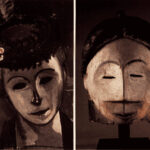
African tribal masks come in a variety of styles, materials, and functions, reflecting the diversity of the continent’s cultures. These masks are often associated with rituals, ceremonies, and performances, serving as a bridge between the physical and spiritual worlds. In many societies, a mask is not merely a decorative object; it’s an embodiment of ancestors and deities, a powerful tool for communication, and a vital element of social identity. For example, the masks of the Dogon people in Mali are intricately crafted to represent their connection to the cosmos and the spirits that govern their lives.
The tribal mask meaning varies from region to region. Some masks are used during initiation ceremonies, while others play a role in harvest festivals or healing rituals. In Africa, these masks often symbolize the presence of ancestral spirits, conveying messages and wisdom from the past. Such rich traditions can even inspire art forms today – if you’re fascinated by the stories behind African art, consider exploring a Tribal Art History Book for deeper insights into the vibrant tapestry of African cultures.
The Symbolism Behind the Masks
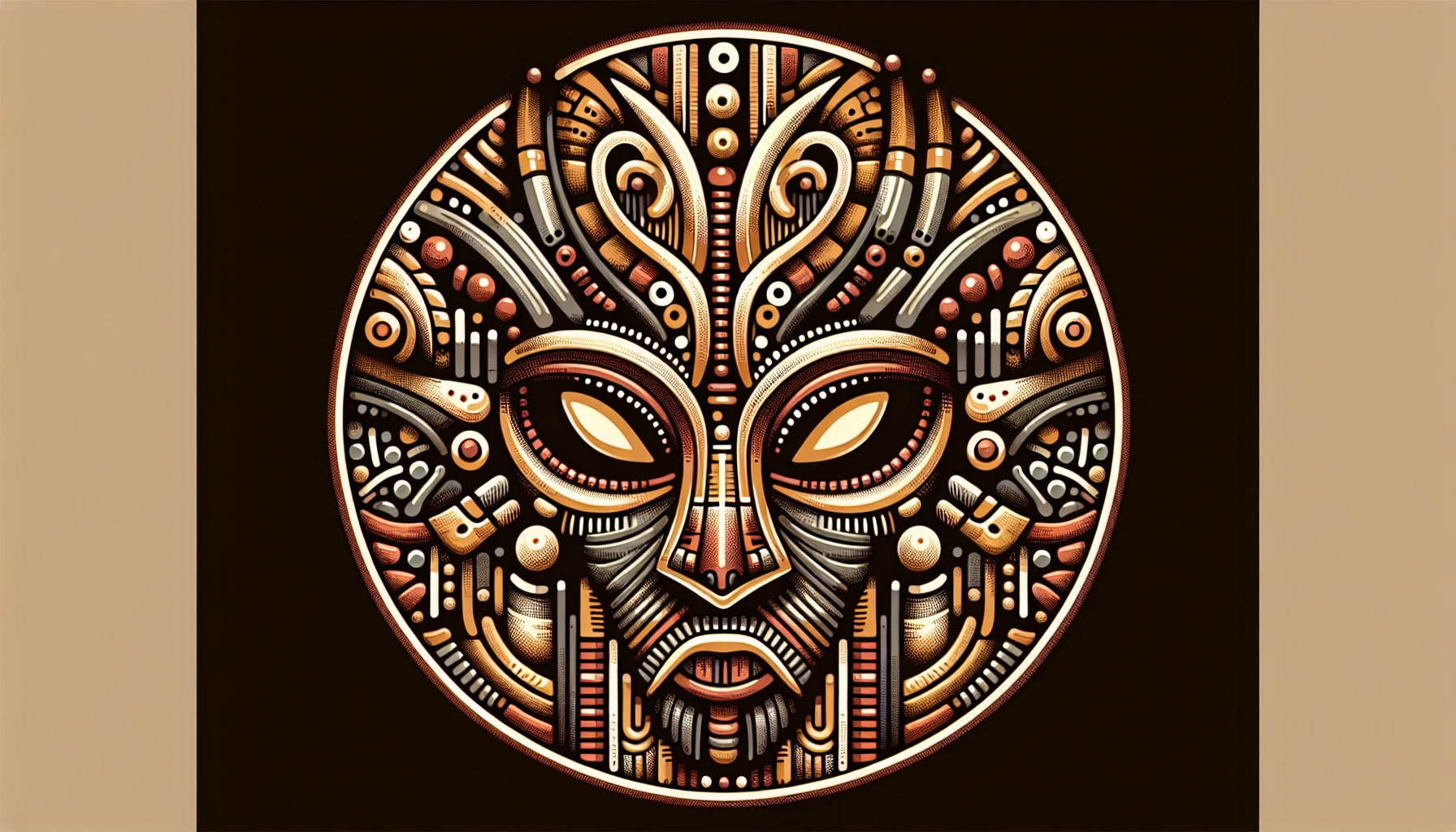
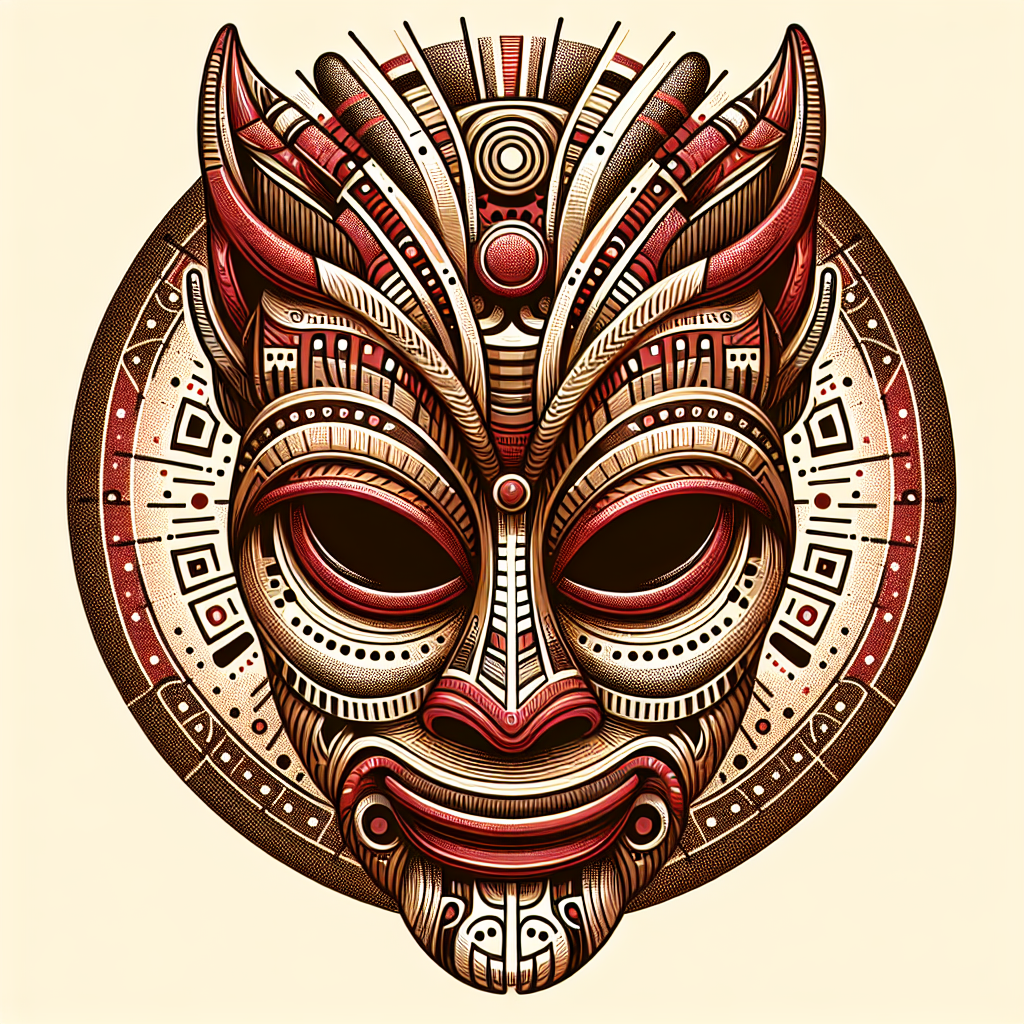
When looking at African tribal masks, you’ll notice they often feature exaggerated features. The elongated faces of certain Baule masks represent a connection to the divine, while brightly colored patterns may signify wealth, fertility, or bravery. Additionally, many masks are painted with a palette of earth tones, symbolizing the relationship between the people and their environment. This inherent spiritual connection is deeply embedded in the creation process of these masks, as artisans often chant or pray while carving, elevating their work beyond simply art into a spiritual expression.
African mask symbolism is often conveyed through specific motifs and colors. The use of red, for example, can denote mourning or sacrifice, while white typically represents purity and innocence. When you see a mask adorned with animal imagery, like that of a leopard or lion, it often symbolizes strength and bravery. The interconnectedness of these symbols adds layers of meaning, turning each mask into a conversation starter about the values and beliefs of the culture that created it. To further immerse yourself in these rich designs, pick up an African Art and Patterns Book to explore traditional patterns and their meanings.
Tribal Masks in Contemporary Culture
Though steeped in tradition, African tribal masks have found their way into contemporary art and culture. Artists around the globe are drawing inspiration from these exquisite pieces, using them to question identity, culture, and heritage. They serve as a reminder that art doesn’t have to be confined to galleries; it can also be found in the rhythms of life and community. Many collectors appreciate the aesthetic and emotional appeal of these masks, making them popular items in art and design circles.
If you’re looking to foster your creativity inspired by tribal themes, consider engaging with art through a Tribal Patterns Adult Coloring Book. Not only is coloring a relaxing activity, but it also allows you to connect with the beautiful patterns inspired by African art while understanding their cultural significance.
Traveling to Discover Masks
For those captivated by African tribal masks, a trip to Africa can offer an unforgettable experience. Various regions are renowned for their unique mask-making traditions, including the Bamana people of Mali, the Yoruba people of Nigeria, and the Senufo of the Ivory Coast. Visiting these communities allows you to witness mask-making firsthand, participate in cultural ceremonies, and perhaps even add a treasured piece to your collection. Local guides often share insights that deepen your understanding of the traditions and narratives that surround these remarkable artifacts.
Traveling through the lush landscapes of Africa, you’ll not only admire the craftsmanship of traditional masks but also appreciate the music, dance, and stories that accompany them. Engaging with local communities fosters deeper connections and enriching experiences that go beyond simple sightseeing.
Final Thoughts
The world of African tribal masks is a fascinating intersection of art, culture, and spirituality. Each mask tells a rich story that reflects the values, beliefs, and histories of the people who create them. Whether you’re a traveler seeking to connect with cultures around the globe or an art enthusiast eager to bring home a piece of tradition, understanding the African tribal masks opens a window to the heart and soul of Africa. So, embrace the colors, the stories, and the craftsmanship, and let the spirit of these masks inspire you.
Ready to dive deeper? Check out some insightful books on the topic and start your journey into the enchanting world of African art today!
Affiliate links on this website may generate a small commission at no extra cost to you. This support helps sustain a project dedicated to the beauty and cultural understanding of tribal art.