How African Masks Transformed Modigliani’s Revolutionary Elongated Portraits
Amedeo Modigliani (1884-1920) was an Italian painter and sculptor, whose distinctive approach to portraiture is firmly embedded in the modernist movement. Born in Livorno, Italy, Modigliani’s artistic career took shape in Paris, where he moved in 1906 and entered a vibrant world of artistic innovation and intellectual exchange. Here, he befriended prominent figures of the avant-garde, including Pablo Picasso and Guillaume Apollinaire, which exposed him to various artistic influences, including those from Africa. Modigliani’s work is characterized by elongated forms, seemingly transcending time and place, yet deeply rooted in both personal expression and broader cultural discourses. His affinity for simplified forms and the striking grace of his figures blur the line between reality and abstraction, all while reflecting the inner emotional states of his subjects.
The Tribal Art That Changed Everything
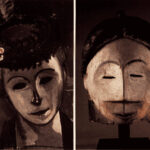
Modigliani’s encounter with tribal art coincided with a broader fascination among European artists with so-called ‘primitive’ art during the early 20th century, often termed “primitivism.” In particular, he was influenced by the Baule and Dan masks from Ivory Coast and Liberia/Ivory Coast, as well as Fang reliquary figures from Gabon. The masks of these cultures presented a visual language that prioritized abstraction, simplicity, and a unique, spiritual inner life—a departure from the detailed realism predominant in Western art. Modigliani was captivated by their aesthetic qualities and the essence they could convey, integrating these elements into his own style. As he visited Parisian ethnographic collections, he observed the masks closely, noting their elongated proportions and simplified facial features, which would later resonate powerfully in works such as his elongated portraits.
Reading the Influence in the Work
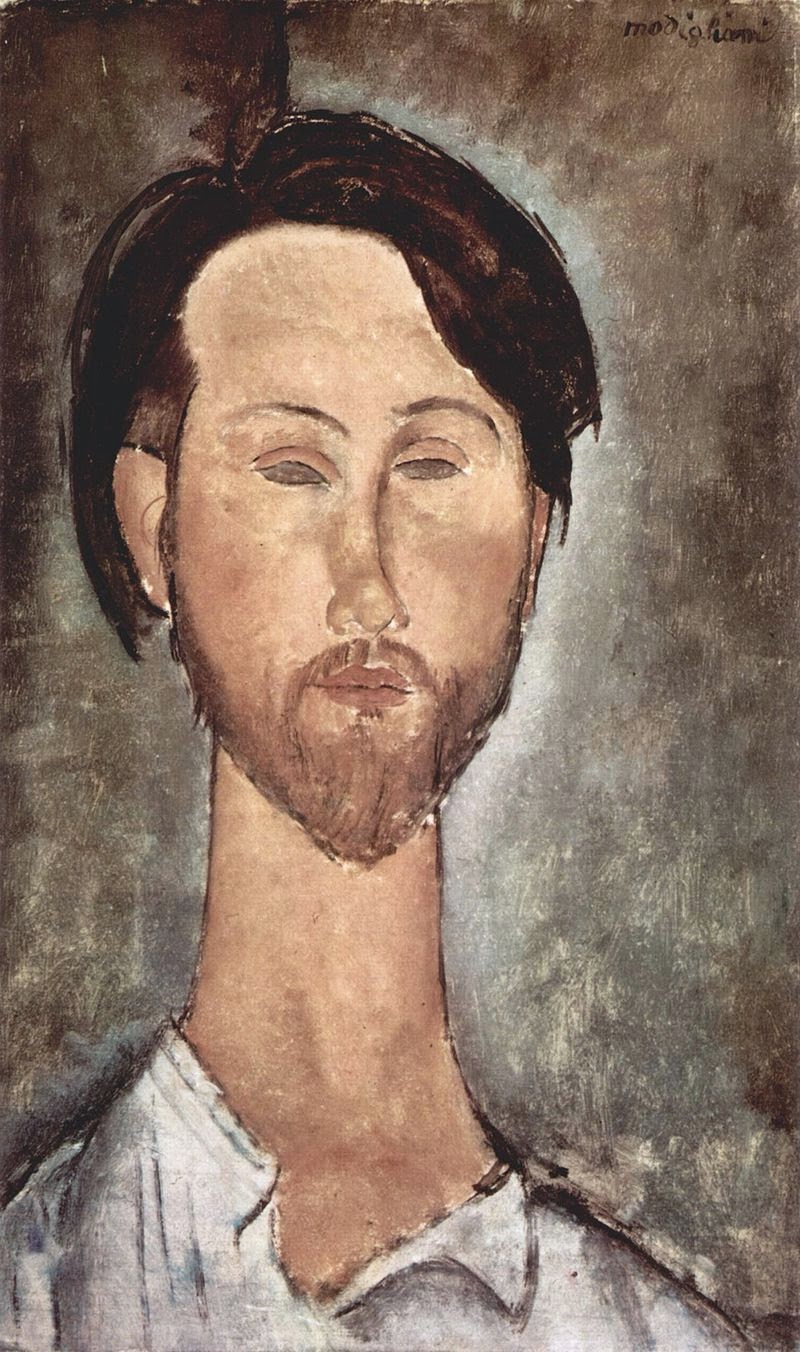
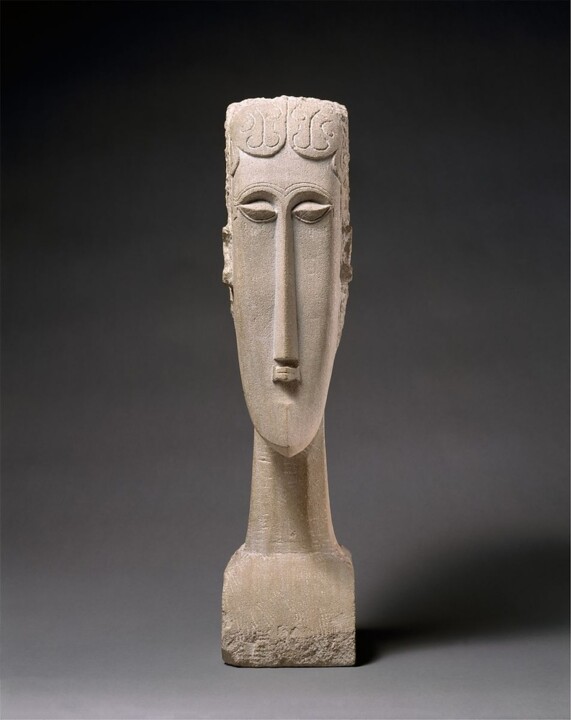
In examining Modigliani’s work, such as the notable portrait of a woman with an elongated face and neck, it is impossible to ignore the striking parallels to the forms found in African masks. The excessively long neck, simplified oval face, and the mask-like expression encapsulate key elements of Baule and Dan aesthetics. The almond-shaped eyes devoid of pupils evoke a sense of mystery and introspection, reminiscent of the spiritual significance embedded within the original cultural artifacts. The geometric noses and streamlined features further echo the simplicity that defines these masks, favoring emotional expression over realistic depiction. This distinct elongation transforms the human figure into a a vehicle for deeper narrative, thus highlighting emotions and inner states rather than merely external appearances.
“The conversation between Modigliani’s art and African masks not only reshapes portraiture but also invites us to explore the essence of identity and abstraction.”
As a part of the modernist revolution, Modigliani’s integration of tribal aesthetics was not merely an appropriation but a dialogue that reshaped our understanding of form and expression in art. It reflects a growing acknowledgment of the value of different cultural narratives within the wider tapestry of art history. The choice to adopt these elongated forms elevated the discussion surrounding race, identity, and the spiritual connections that transcend artistic boundaries. In recognizing this dialogue, we begin to appreciate how tribal art serves not only as an inspiration but also as an essential component of contemporary art’s evolution.
What This Means for You
Understanding the influences that shaped Modigliani’s work provides you with a richer appreciation for the complexities surrounding modern portraiture. The connections between cultures illuminate how artistic expression goes beyond geographic and temporal boundaries. When you view art, consider the diverse influences that converge within each piece; you may discover deeper meanings by connecting with the narratives that fuel artistic innovation. As you explore the world of art, being open to these dialogues will enhance your experience and understanding of the shared human condition reflected across cultures.
Books & Resources You Might Enjoy
- Paul Gauguin: A Journey to Tahiti (Adventures in Art)
- Primitivism in Modern Art
- The Land Carries Our Ancestors: Contemporary Art by Native Americans
References & Further Reading
Image courtesy of: Amedeo Modigliani / www.ebsco.com — www.ebsco.com
Affiliate links on this website may generate a small commission at no extra cost to you. This support helps sustain a project dedicated to the beauty and cultural understanding of tribal art.