El Anatsui: Tribal Art, Culture and Vision
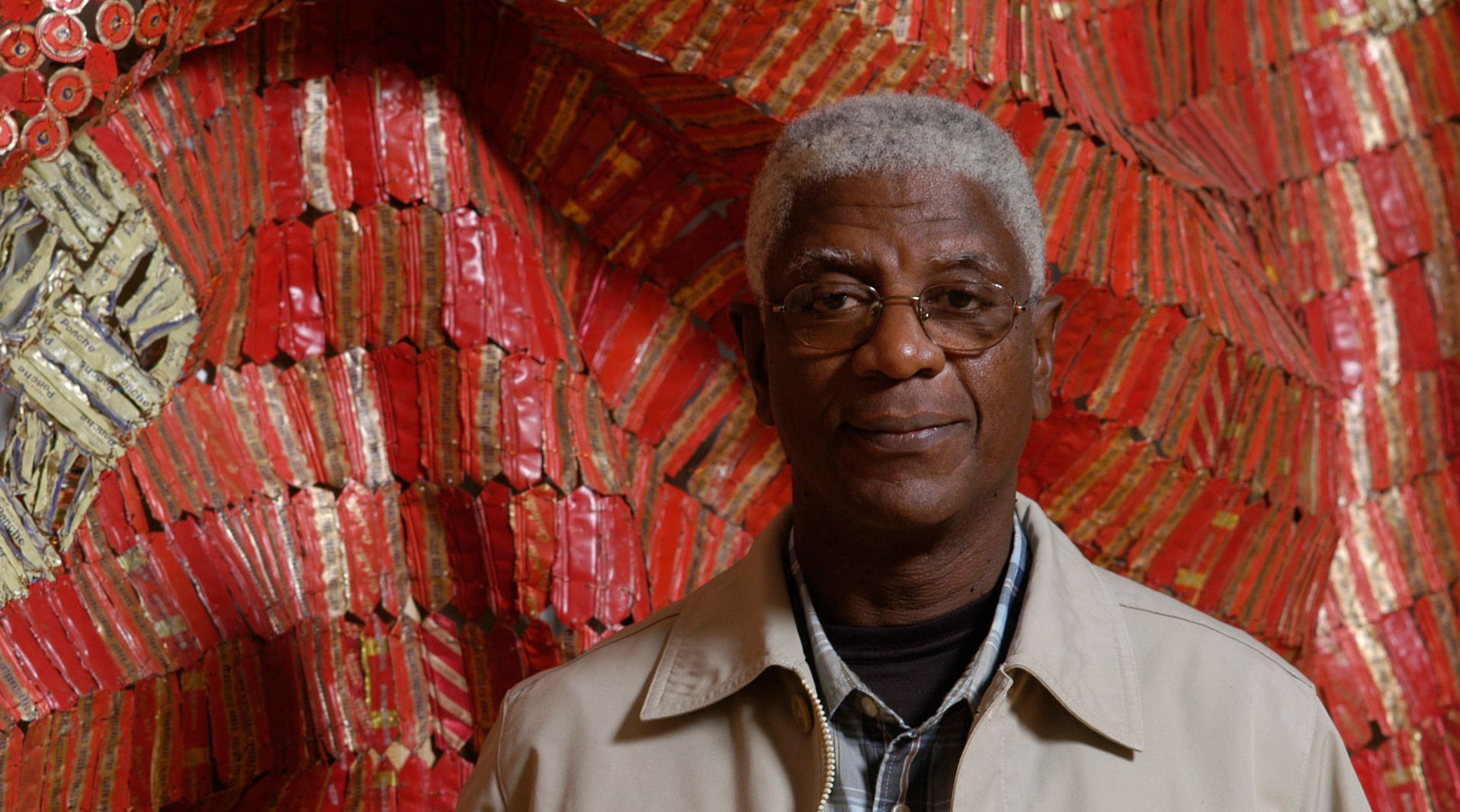
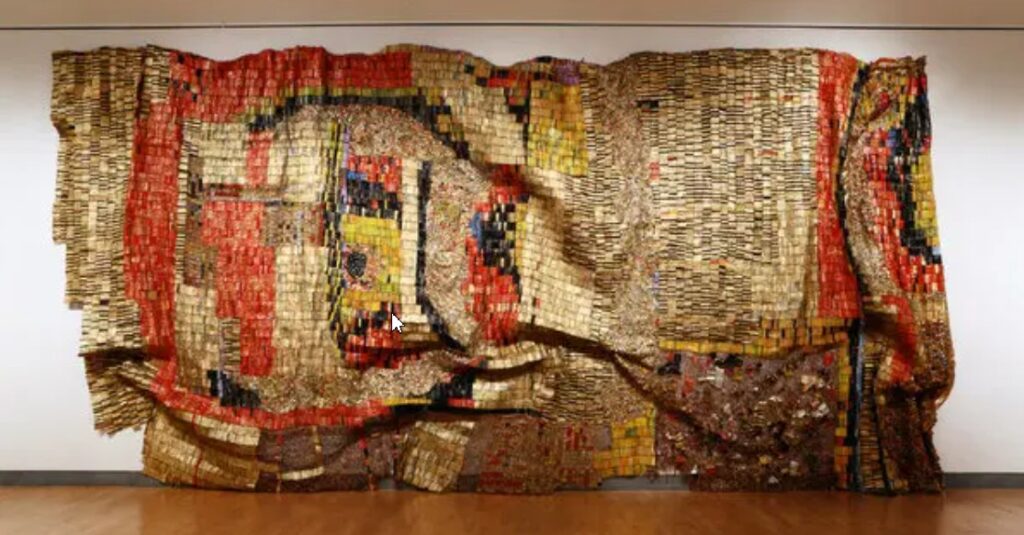
Imagine stepping into a sprawling art installation where shimmering metal pieces dangle like a vibrant tapestry, each reflecting light and color in a dance of texture. This captivating sight is the signature style of El Anatsui, an artist whose creations speak to both the beauty of African traditions and the urgent need for sustainability. “In my work, I seek to find connections, to transform discarded materials into a reflection of cultural heritage,” he once shared, inviting us into his world of art that transcends borders and time.
Who is El Anatsui?
Born in 1944 in Nkonteh, Ghana, El Anatsui has become a monumental figure in contemporary sculpture and a bridge between African cultural identity and the global art scene. After completing his studies at the College of Art at the University of Science and Technology in Kumasi, he began his artistic journey, which would eventually take him to Nigeria, where he became a professor and mentor to a new generation of artists. Anatsui’s unique blend of traditional and contemporary perspectives challenges assumptions and encourages dialogue, making him a vital voice in the art world.
Their Work with Tribal Art
El Anatsui engages deeply with African aesthetics and textiles, reinterpreting the intricate patterns and traditional craftsmanship into his thought-provoking sculptures. Using discarded materials like metal bottle caps, Anatsui weaves together narratives of history, identity, and environmental consciousness. His work resonates with the tribal culture by reflecting the communal spirit of African artisanship while embracing a philosophy of reusability and innovation. Each piece is not just a sculpture but a story that evokes the essence of ceremonial fabrics, adorned with a contemporary twist.
Key Works and Projects
One of Anatsui’s most renowned installations, “Earth’s Skin,” features carefully arranged bottle caps that cascade down the walls, creating an undulating landscape that evokes both a fabric and a metaphor for the interconnectedness of humanity. His monumental piece “Bleeding Takari II” pays homage to the traditional weaving patterns of Africa while utilising an array of recycled materials to craft intricate, surface-like works that can be hung like paintings or drapery. Anatsui’s exhibitions in prominent institutions such as the Venice Biennale and the Royal Academy of Arts have further established him as a pivotal figure in redefining cultural narratives in contemporary art.
Why Their Work Matters Today
In a world grappling with environmental challenges and cultural appropriation, El Anatsui’s work serves as a powerful reminder of the value of sustainability and the richness of African heritage. By revaluing discarded materials, he not only challenges the traditional notions of art and sculpture but also encourages us to think critically about consumption and creativity. His art inspires a new appreciation for African cultural narratives and highlights the importance of preserving tribal traditions while embracing modernity. Anatsui’s vision speaks to the spirit of resilience, identity, and community, making his work more relevant than ever.
Further Reading & Resources
Final Thoughts: El Anatsui embodies the essence of contemporary art rooted in tribal traditions, using his voice and vision to bridge cultural divides and engage us in conversations about identity, sustainability, and the power of transformation. His work invites you to reconsider not just art, but the very materials that define our world.