From Funerary Ceramics to Modern Monuments
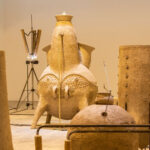
Gabriel Chaile’s monumental sculptures offer a striking exploration of tactile qualities in contemporary indigenous art, evoking the rich textures of Diaguita funerary ceramics. These large-scale works, with their gourd-like forms, challenge the viewer’s understanding of cultural artifacts by transforming everyday objects into significant symbols of heritage and memory. Through this surprising artistic choice, Chaile not only honors the past but also invites contemporary audiences to engage deeply with indigenous narratives.
Reimagining Cultural Symbols
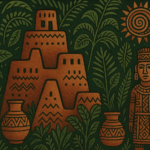
The Diaguita culture, known for its intricate funerary ceramics, crafted vessels that were not only functional but also steeped in spiritual significance. Chaile’s sculptures echo these tactile qualities, reflecting their textured surfaces and organic shapes. By reinterpreting these traditional forms, he creates a bridge between ancient practices and modern expressions, elevating the status of indigenous art in contemporary discourse.
These monumental pieces serve as a reminder that art can transcend time, making the past relevant in the present. Chaile’s work provokes thought about how cultural heritage can be both preserved and redefined—encouraging viewers to consider their own relationship with history and identity. The tactile qualities of his sculptures draw people in, engaging them physically and emotionally as they navigate the surfaces that mimic the ceramics of the Diaguita ancestors.
“Chaile’s sculptures compel us to rethink the value of cultural artifacts, reminding us that everyday objects can carry profound significance across generations.”
Challenging Perceptions of Value
By elevating funerary ceramics to the status of monumental art, Chaile challenges the traditional perceptions of value associated with cultural artifacts. This shift prompts a reevaluation of what constitutes art and how cultural heritage is appreciated in a modern context. In doing so, he not only honors the Diaguita legacy but also inspires a new generation of artists and audiences to engage with indigenous narratives in innovative ways.
Want to explore this further? Read our full article: How Gabriel Chaile Transforms Argentine Indigenous Heritage into Monumental Clay Sculptures
Final Thoughts
Gabriel Chaile’s monumental sculptures serve not only as artistic expressions but also as cultural touchstones that resonate with both historical significance and contemporary relevance. By embracing the tactile qualities of Diaguita funerary ceramics, he invites us to honor the past while engaging with the future of indigenous art.