Identidad colectiva: Los tatuajes como historia comunitaria
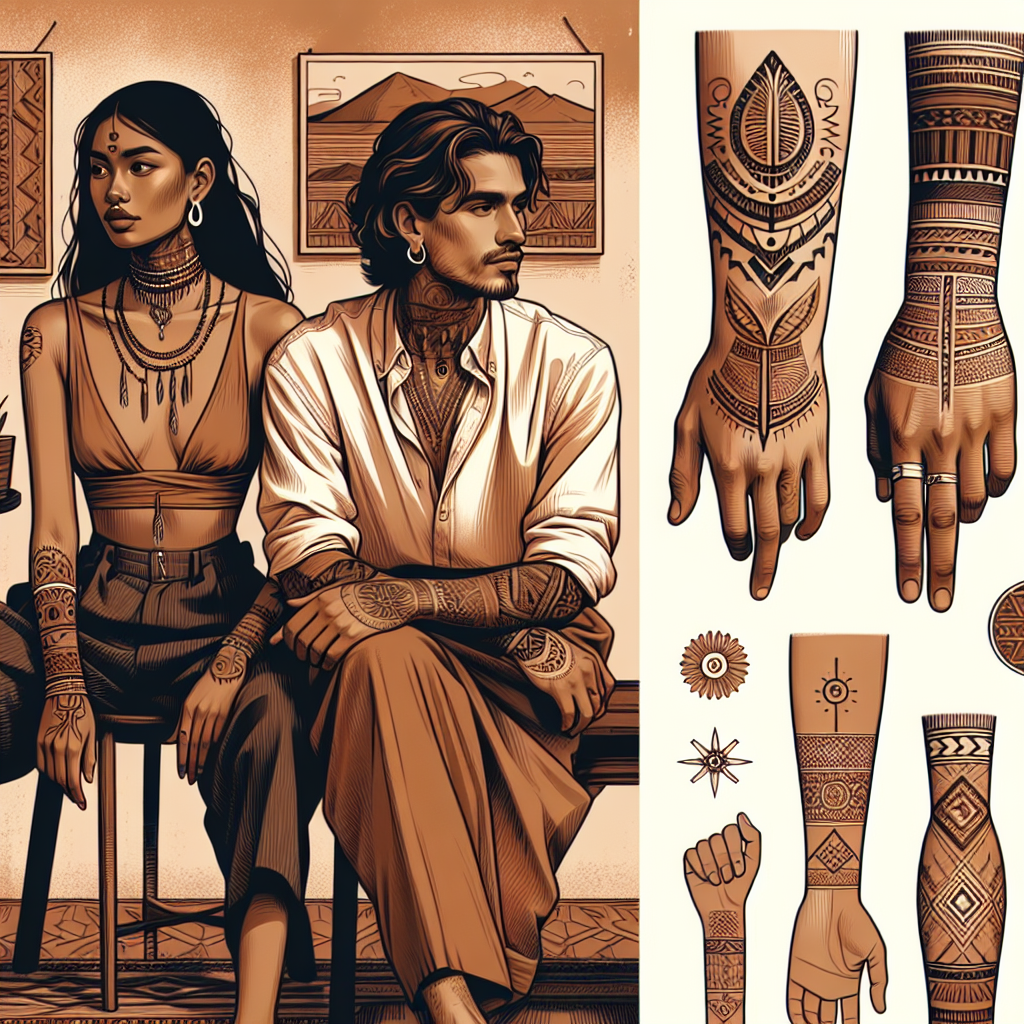
En la Polinesia, los tatuajes, como ritos de iniciación, están profundamente arraigados en la vida comunitaria, sirviendo no solo como expresiones individuales, sino también como símbolos colectivos que narran la historia y las creencias de todo un grupo. Lejos de la visión moderna de los tatuajes como arte personal, estos intrincados diseños reflejan estatus, linaje y creencias espirituales, actuando como un libro de historia visual que conecta generaciones. El significado social de los tatuajes en las culturas polinesias demuestra cómo el arte puede trascender la expresión personal para encarnar la identidad colectiva de una comunidad.
El contexto histórico de los tatuajes polinesios
Los tatuajes polinesios poseen una rica historia que se remonta a siglos atrás, donde sus significados han evolucionado pero conservado su esencia. Tradicionalmente, estos tatuajes se aplicaban en momentos importantes de la vida, marcando hitos como la mayoría de edad, el matrimonio y los logros. Cada diseño, cuidadosamente elaborado, plasmaba la trayectoria del individuo a la vez que lo integraba en la narrativa de la comunidad. Por ejemplo, los intrincados patrones y símbolos utilizados en los tatuajes suelen indicar el linaje familiar y la afiliación tribal de una persona, sirviendo como una declaración pública de su herencia.
Además, el proceso de hacerse un tatuaje solía ser un asunto comunitario, en el que participaban familiares y amigos que se reunían para presenciar el rito. Esta reunión no solo resaltaba la importancia del tatuaje en sí, sino que también reforzaba los lazos comunitarios, mostrando unidad e historia compartida. Por ello, los tatuajes como ritos de iniciación en Polinesia eran mucho más que adornos individuales; eran vínculos vitales con la ascendencia y la identidad colectiva.
<h2The Contemporary Perspective on TattoosEl arte de los tatuajes polinesios sirve de puente entre la identidad individual y la historia comunitaria, mostrando la profunda importancia de las narrativas culturales compartidas.
En el mundo actual, la naturaleza personal de los tatuajes suele eclipsar su significado histórico. Si bien los aficionados modernos pueden ver su tinta como un medio de autoexpresión, es fundamental recordar las raíces comunitarias de esta forma de arte. Comprender los contextos tradicionales puede enriquecer nuestra apreciación por los tatuajes, recordándonos que no son meramente decorativos, sino que encierran historias de resiliencia, identidad y pertenencia. Este cambio de perspectiva invita a los tatuadores contemporáneos a respetar e incorporar las técnicas tradicionales en su práctica, incluso utilizando herramientas como una máquina de tatuar profesional para garantizar la precisión y la autenticidad en su trabajo.
¿Quieres profundizar en este tema? Lee nuestro artículo completo: Cómo dominar las técnicas del tatuaje tribal polinesio: una guía profesional
El panorama general
En definitiva, los tatuajes como ritos de iniciación en la Polinesia nos recuerdan la compleja red de tradiciones culturales y la importancia de la comunidad. Al reconocer su significado histórico, podemos apreciar cómo los tatuajes no solo sirven como recuerdos personales, sino también como componentes vitales de una identidad colectiva que trasciende el tiempo y la geografía.
Los enlaces de afiliados en este sitio web pueden generar una pequeña comisión sin costo adicional para usted. Este apoyo contribuye a mantener un proyecto dedicado a la belleza y la comprensión cultural del arte tribal.