Mujeres amazigh: guardianas de la tradición en un mundo cambiante.
Imagina un mundo donde el ritmo de la vida se entrelaza con colores vibrantes, artesanías exquisitas y ricas historias culturales transmitidas de generación en generación. Este es el estilo de vida de las mujeres amazigh, las increíbles guardianas de la tradición en el norte de África. Conocidas también como mujeres bereberes, desempeñan un papel crucial no solo en la preservación de las costumbres y el conocimiento de sus ancestros, sino también en la adaptación a los cambios que trae consigo la modernización. Analicemos más de cerca cómo estas extraordinarias mujeres mantienen su identidad mientras se adaptan al mundo que las rodea.
El latido de la cultura amazigh
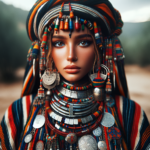
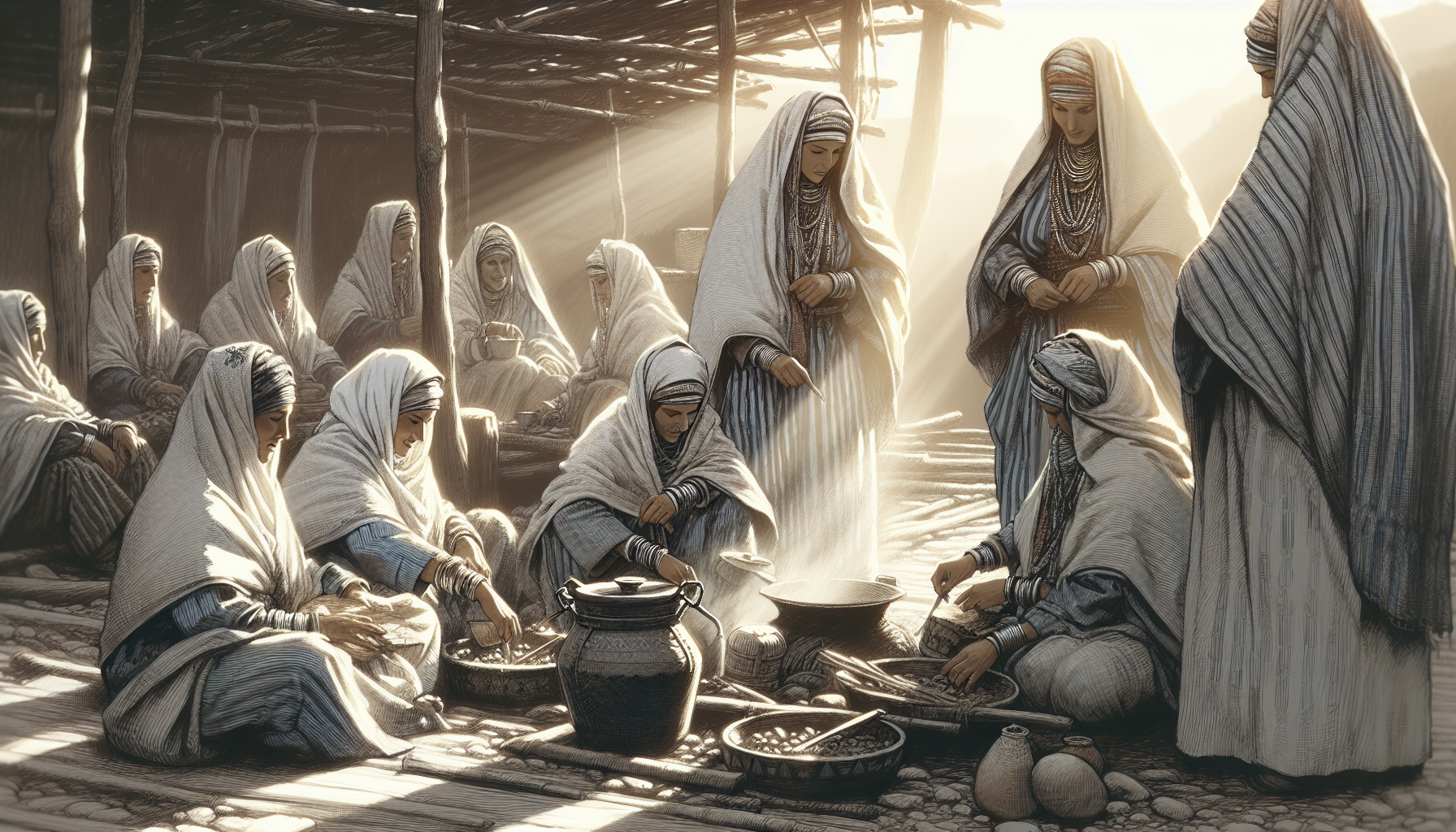
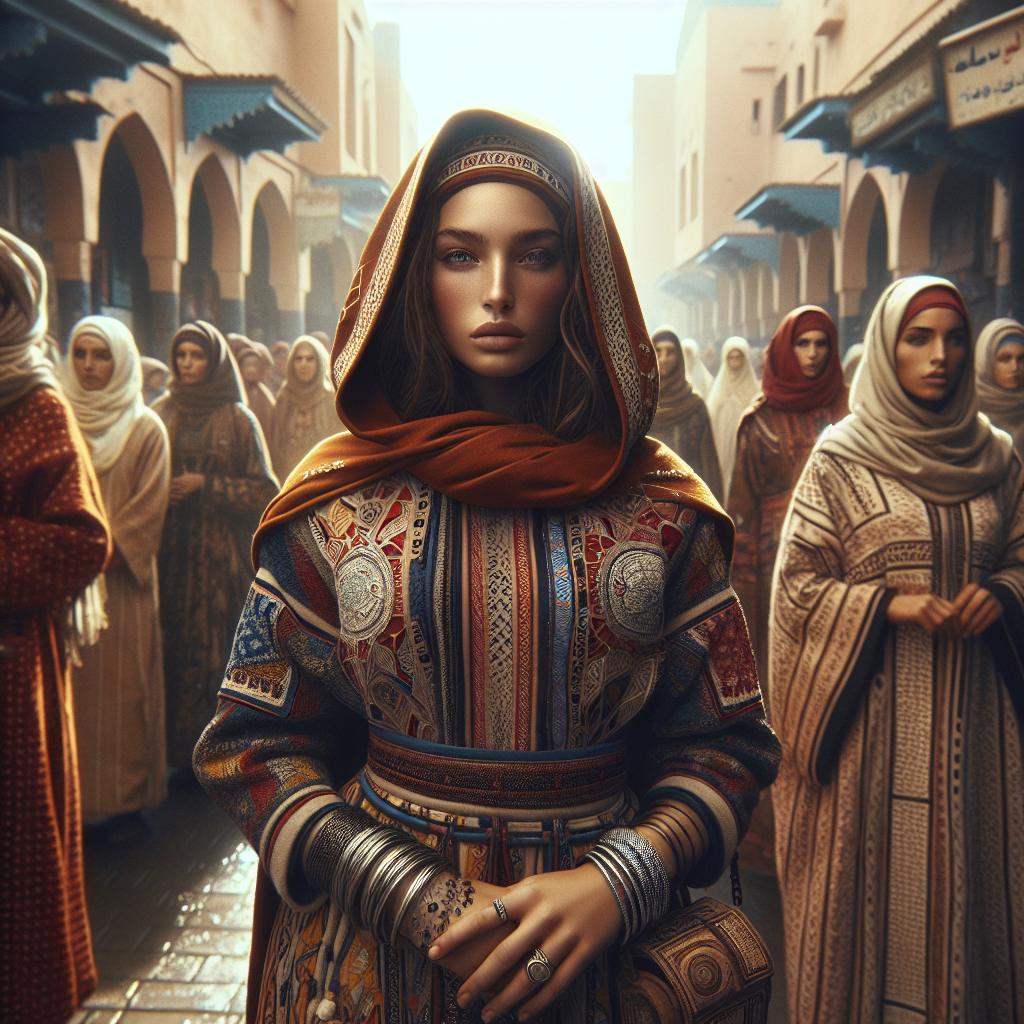
Las mujeres amazigh son el alma de sus comunidades. En muchos pueblos de las regiones montañosas de Marruecos y Argelia, contribuyen significativamente tanto al hogar como a la comunidad en general. La cultura amazigh, profundamente arraigada en un sentimiento de orgullo e independencia, se expresa a través del idioma, la artesanía y la música. Por ejemplo, las mujeres suelen tejer impresionantes textiles o elaborar intrincadas joyas, utilizando técnicas perfeccionadas durante siglos.
A través de sus artesanías, las mujeres amazigh cuentan historias de su herencia. Puede que te sorprenda descubrir que cada patrón y color puede significar relaciones, roles sociales y creencias tradicionales. Esto resuena con la idea que se encuentra en Andrew B. Nathan's Libro de tradiciones tribales del mundo, Esto pone de relieve cómo las formas artísticas reflejan profundamente la identidad cultural. Ya sea a través de una alfombra tejida a mano o una pieza de cerámica pintada a mano, estos artesanos plasman sus historias personales y colectivas en sus creaciones, asegurando así que su legado perdure.
Desafíos en un mundo cambiante
Ningún camino está exento de desafíos, especialmente para las mujeres amazigh, quienes lideran el cambio. A medida que las jóvenes acceden a una mayor educación y se amplían sus oportunidades, surgen conflictos entre modernidad y tradición. Muchas mujeres amazigh se esfuerzan por preservar sus prácticas culturales mientras estudian y desarrollan sus carreras profesionales. Algunas abrazan ambos mundos, lo que convierte esta experiencia en una poderosa dualidad que enriquece su identidad.
Este acto de equilibrio intencional es evidente en centros urbanos como Marrakech y Casablanca, donde las mujeres amazigh expresan su herencia cultural a través de la moda y el arte en interpretaciones modernas. Las cautivadoras canciones de las mujeres amazigh aún resuenan por los callejones y mercados, atrayendo a la gente a las fascinantes narrativas entretejidas en el tejido de sus vidas. Además, Colección de música tribal del mundo Ofrece una visión de las ricas melodías de la música amazigh, que siguen siendo una fuente de orgullo y conexión en sus comunidades.
Celebrando la cultura tribal femenina
La cultura amazigh se caracteriza a menudo por su respeto a las sociedades matrilineales, donde el linaje se traza a través de la madre. Este aspecto único otorga a las mujeres amazigh un papel importante en sus comunidades, fomentando un sentimiento de empoderamiento. Desde las prácticas agrícolas hasta la gestión del hogar, encarnan la resiliencia y la adaptabilidad. Muchas mujeres participan en grupos cooperativos, donde comparten habilidades y recursos para apoyarse mutuamente.
En los últimos años, el activismo en torno a los derechos de las mujeres ha cobrado impulso en el norte de África, y las mujeres amazigh destacan por su prominencia. Abogan por la educación, la atención médica y la representación política, trabajando incansablemente para construir un futuro mejor para sus hijas. Sus historias son un inspirador recordatorio de que la fortaleza y la tradición pueden coexistir con el progreso y la innovación.
Las mujeres amazigh no son solo conservadoras culturales; son poderosas agentes de cambio que tejen el tejido de la tradición hacia el futuro.
Ashar: Un símbolo de unidad e identidad
Con cada cambio, los rituales siguen siendo un aspecto fundamental de la vida amazigh, afianzando su identidad y los lazos comunitarios. El Año Nuevo amazigh anual, conocido como Yennayer, es un testimonio de su resiliencia. Las familias se reúnen para celebrar con platos, canciones y danzas tradicionales que evocan sus historias. A las niñas se les enseñan las costumbres, que no solo son divertidas, sino que también representan un viaje educativo hacia su identidad. Es una fiesta cultural, rica en simbolismo y un recordatorio de sus orígenes.
El espíritu de las matriarcas se hace palpable durante estos eventos, resaltando la importancia de las historias transmitidas de madres a hijas. Estas reuniones constituyen un profundo reconocimiento del papel que desempeñan las mujeres amazigh, reforzando la unidad al celebrar su historia compartida. Para una experiencia inmersiva, viaje por el norte de África durante esta época y será testigo de una vibrante explosión de cultura, solidaridad y orgullo.
En resumen
Las historias de las mujeres amazigh celebran no solo sus tradiciones, sino también la extraordinaria resiliencia que demuestran ante el cambio. Son las artífices de su futuro, fusionando la belleza de su rica herencia con nuevas posibilidades. Al cultivar su cultura, participar en el activismo y empoderar a las futuras generaciones, las mujeres amazigh exhiben la fortaleza propia de la cultura tribal femenina.
¿Intrigado por sus historias? Puedes sumergirte profundamente en las hermosas vibraciones de su música con la Colección de música tribal del mundo o explorar las vastas tradiciones a través de la perspicaz Libro de tradiciones tribales del mundo. No solo rinden homenaje a las mujeres amazigh, sino que también te conectan con un mundo más amplio de tradiciones tribales. ¿A qué esperas? Deja que estas fascinantes historias te inspiren en tu viaje al corazón del arte y la cultura tribal.
Los enlaces de afiliados en este sitio web pueden generar una pequeña comisión sin costo adicional para usted. Este apoyo contribuye a mantener un proyecto dedicado a la belleza y la comprensión cultural del arte tribal.