Pueblo Himba de Namibia: Tradiciones de belleza e identidad tribal
Si desea visitar una aldea Himba en Namibia, prepárese para quedar cautivado por una cultura que le transportará a otro mundo. El pueblo Himba, conocido por su belleza impactante y sus vibrantes tradiciones, encarna la resiliencia y la identidad en un mundo en constante cambio.
Este artículo profundiza en las hermosas tradiciones y el significado cultural de la tribu Himba, explorando cómo su identidad se entrelaza con sus costumbres, prácticas de belleza y la tierra que habitan. Desde el llamativo ocre utilizado en sus rituales de belleza hasta sus arraigadas creencias espirituales, embarquémonos en un viaje por el corazón de la cultura tribal de Namibia.
El encanto del pueblo Himba
Enclavada en los agrestes paisajes del noroeste de Namibia, la tribu Himba es una de las últimas comunidades seminómadas de África. Los Himba son principalmente pastores, que dependen de su ganado para su sustento y estatus social. Pero no es solo su estilo de vida lo que los distingue; es su extraordinaria manera de expresar la belleza y la identidad lo que realmente fascina. La gente suele preguntar: ¿por qué el uso del ocre rojo es tan significativo en la cultura Himba? La respuesta va más allá de la mera estética: representa la pureza, la salud y la vitalidad en su comunidad.
La belleza himba trasciende lo superficial; es una profunda declaración de identidad y orgullo cultural.
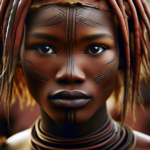
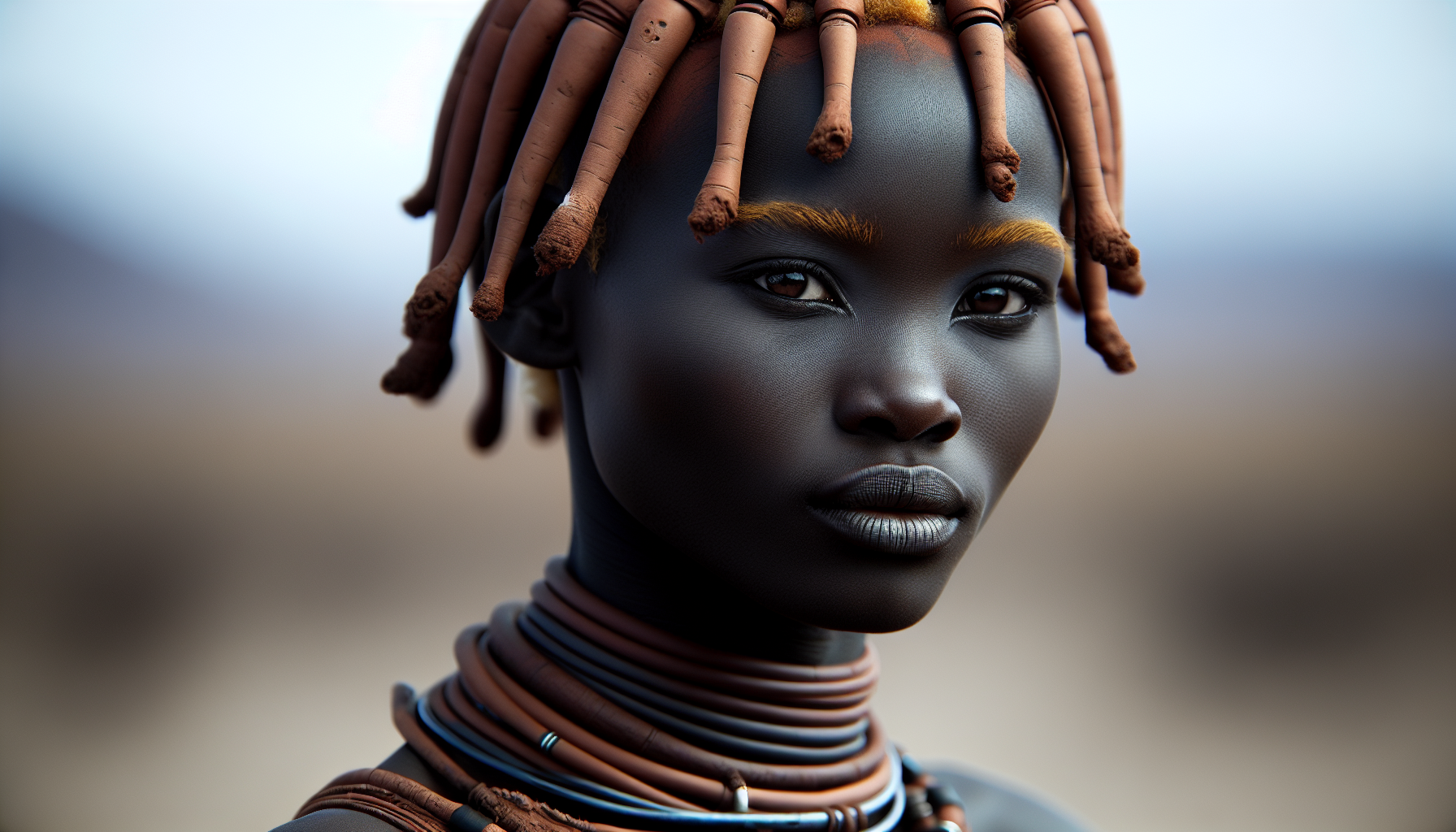
Las mujeres Himba son especialmente conocidas por su aspecto característico, marcado por una pasta de ocre rojo llamada otjize. Esta mezcla de grasa de mantequilla y ocre no solo hidrata su piel del intenso sol de Namibia, sino que también la protege de heridas, picaduras de insectos e infecciones cutáneas. Además, el tono rojizo simboliza la conexión con la tierra y el cuidado, elementos clave de sus creencias espirituales. Para comprender mejor estas tradiciones, le recomendamos leer “Culturas tribales del mundo” y apreciar aún más la riqueza de las prácticas tribales globales.
Vestimenta tradicional y rituales de belleza
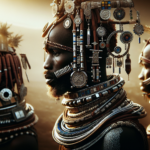
La vestimenta himba no es meramente funcional; posee un profundo significado y sirve como representación visual de su estatus social y herencia cultural. Las mujeres himba se adornan con hermosas faldas de cuero y elaboradas joyas de hierro, que usan para simbolizar fuerza y resistencia. Cada pieza de joyería está impregnada de significado, reflejando a menudo su linaje familiar o creencias espirituales. Las cadenas al cuello y las pulseras de cobre pueden indicar la edad y el estado civil, convirtiendo cada pieza en un objeto narrativo.
El cuidado personal es otro aspecto importante de la cultura Himba, donde los elaborados peinados funcionan como marcadores sociales. Los estilos varían considerablemente: las jóvenes solteras lucen looks específicos que evolucionan hacia estilos más complejos para las mujeres casadas. La cuidadosa aplicación del otjize en el cabello simboliza la importancia de la identidad y el papel de la mujer en la comunidad tribal. Es un arte que requiere tiempo, paciencia y comprensión de los códigos culturales, y se puede aprender más sobre estas costumbres tribales a través de libros como "Cultura Tribal Africana", que arroja luz sobre prácticas únicas en diversas comunidades.
Creencias espirituales y estructura comunitaria
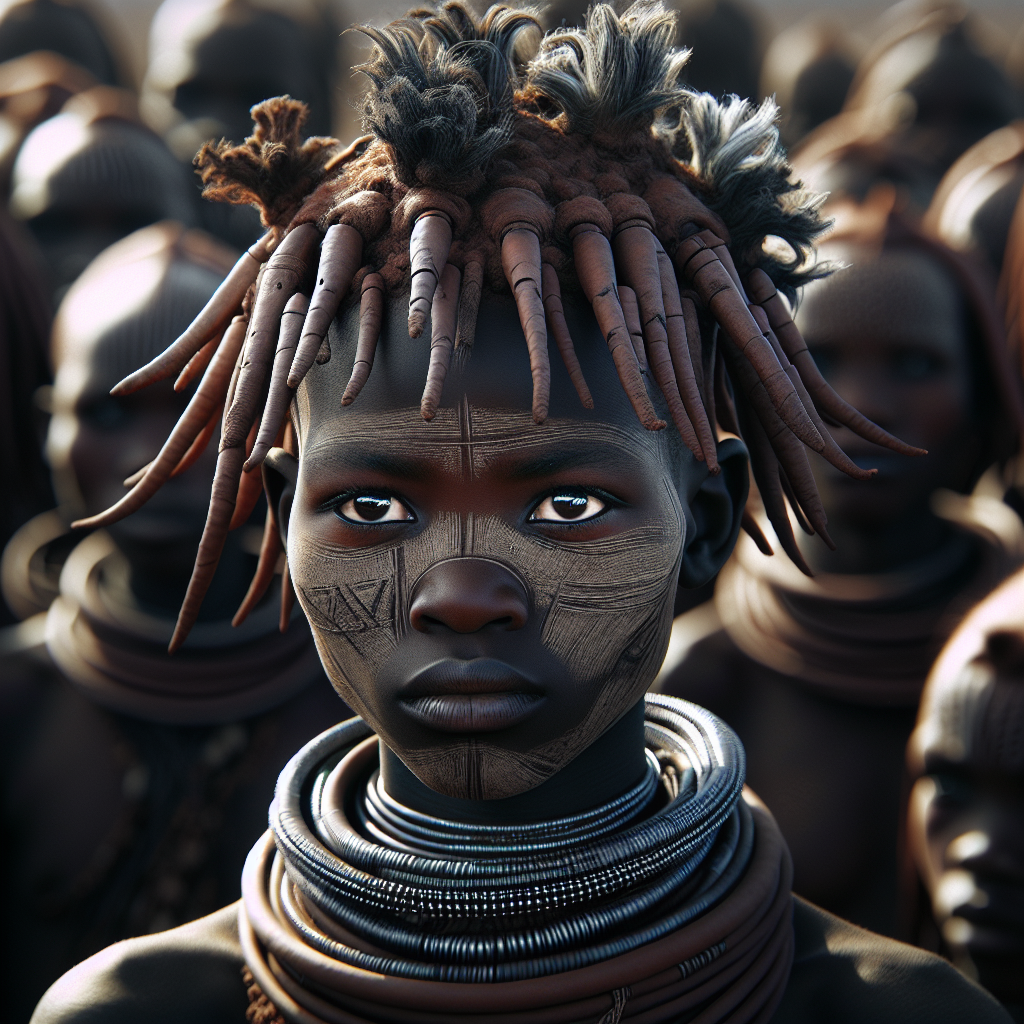
El pueblo Himba es profundamente espiritual y cree en una conexión sagrada con sus ancestros y la tierra. La tierra es considerada sagrada; por lo tanto, su relación con el ganado no se limita al sustento, sino que también implica respeto y reverencia por la vida. Cada reunión y ceremonia dedicada a celebrar la vida, la fertilidad y los ciclos agrícolas refleja esta profunda espiritualidad. El pueblo Himba suele realizar rituales para invocar bendiciones para sus rebaños y para sí mismos, demostrando un profundo respeto por la naturaleza y sus ciclos.
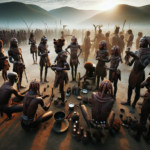
La comunidad es fundamental para los Himba, con una estructura que enfatiza la cooperación, el compartir y la responsabilidad colectiva. Los ancianos son respetados como guardianes de la sabiduría, guiando a las generaciones más jóvenes en las costumbres y tradiciones. Este fuerte vínculo comunitario se evidencia durante las reuniones, donde los cantos, las danzas y la narración de cuentos forman parte de su herencia, fomentando la unidad. Para quienes estén interesados en explorar las múltiples facetas de las culturas tribales, recomiendo encarecidamente consultar “Cultura e historia polinesias”, que ofrece fascinantes paralelismos y perspectivas sobre cómo las diferentes comunidades celebran su identidad y tradición.
La conexión espiritual del pueblo Himba con sus ancestros es el corazón de su vibrante cultura.
Interacciones con el mundo exterior
Con la creciente intrusión del mundo en las tradiciones del pueblo Himba, este se enfrenta a desafíos que amenazan su identidad cultural. El ecoturismo y el turismo cultural ofrecen nuevas oportunidades, pero también conllevan riesgos de comercialización y dilución cultural. Muchos Himba navegan con cautela por estas aguas, buscando un equilibrio entre la modernización y la preservación de sus antiguas tradiciones. Existen operadores turísticos que facilitan visitas respetuosas a las comunidades Himba, permitiendo a los viajeros experimentar su cultura con sensibilidad y respeto. Al participar de forma responsable, se puede aprender más e incluso contribuir a la preservación de su forma de vida.
Quienes tienen la oportunidad de visitar Namibia suelen llevarse consigo una nueva apreciación por el carácter y la resiliencia del pueblo Himba. Compartir historias, arte y música propicia un intercambio cultural que honra tanto al visitante como al visitante. Si desea ampliar su comprensión de las identidades tribales, considere explorar la "Cultura Tribal Nativa Americana", que ofrece perspectivas sobre la complejidad de preservar el patrimonio cultural en un mundo globalizado.
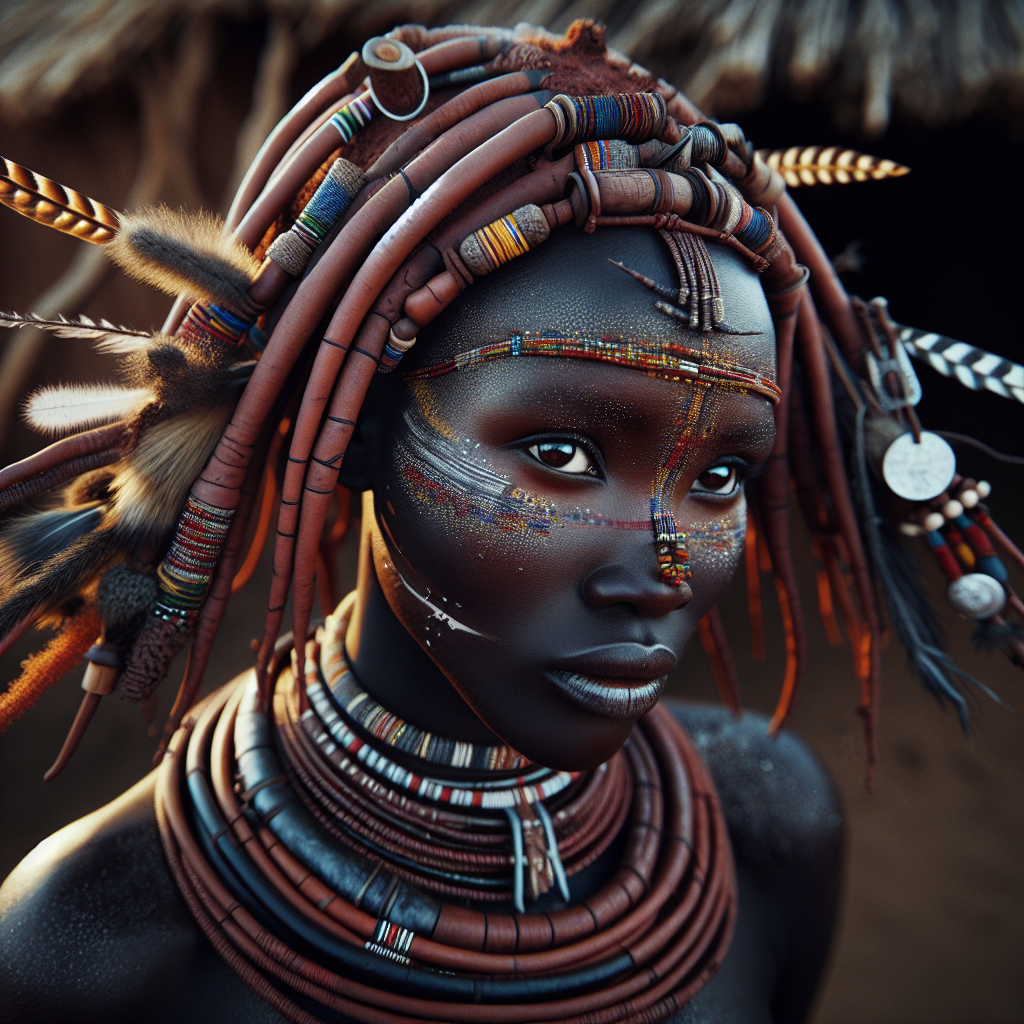 <figcaption The wisdom of elders is crucial in passing down Himba traditions and teachings.
En resumen
El pueblo Himba representa una singular confluencia de belleza, tradición y comunidad, ofreciendo una vívida muestra de la cultura tribal de Namibia. Sus prácticas, arraigadas en la tierra, su identidad y sus creencias espirituales, brindan una perspectiva inagotable sobre lo que significa vivir en conexión con la propia herencia. Al explorar la rica cultura Himba, recuerde que cada interacción ofrece la oportunidad de contribuir positivamente a su preservación y comprensión. Si le cautiva su forma de vida, considere profundizar en su mundo a través de libros y experiencias de turismo responsable. Quizás encuentre una historia digna de compartir, una que le inspire tanto como le enseñe.
Los enlaces de afiliados en este sitio web pueden generar una pequeña comisión sin costo adicional para usted. Este apoyo contribuye a mantener un proyecto dedicado a la belleza y la comprensión cultural del arte tribal.