
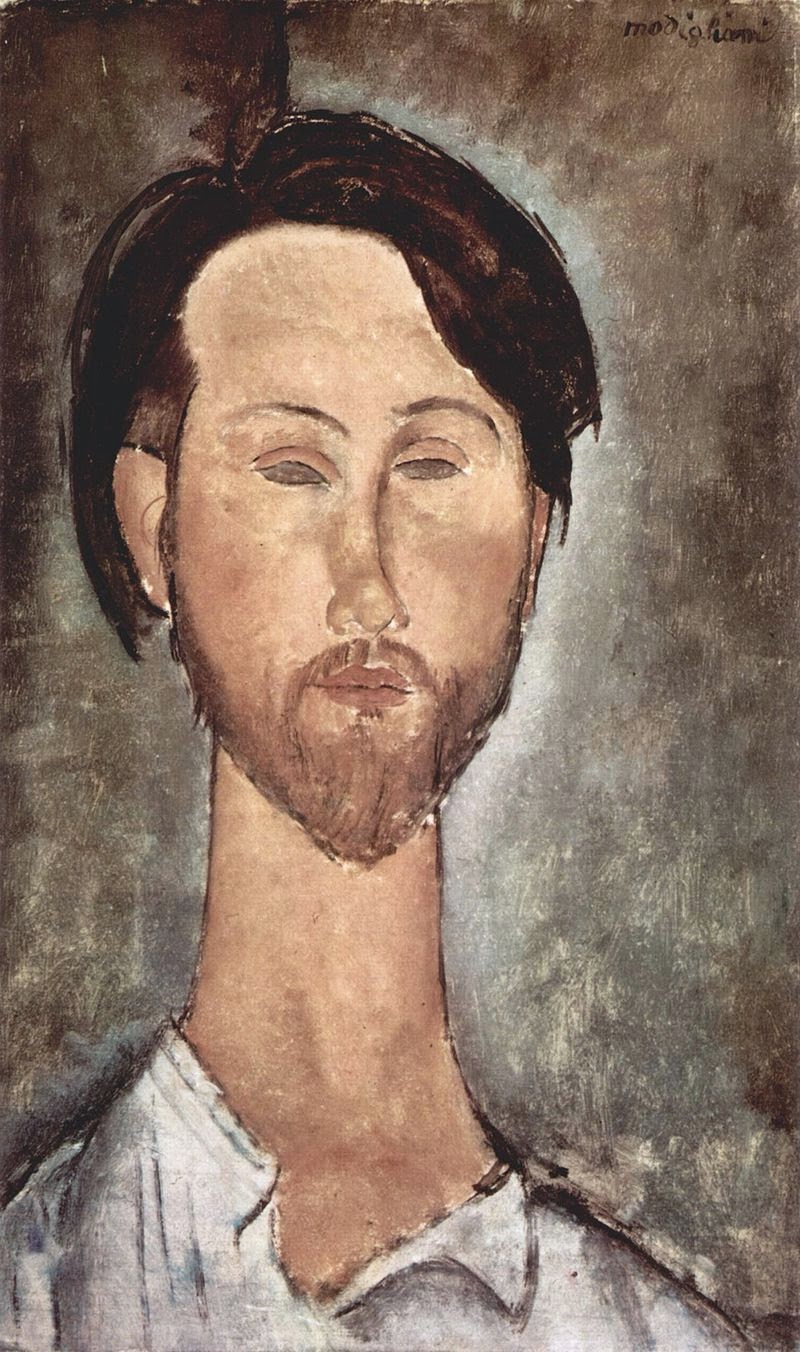
Cómo las máscaras africanas transformaron los revolucionarios retratos alargados de Modigliani
Amedeo Modigliani (1884-1920) fue un pintor y escultor italiano, cuyo singular enfoque del retrato se enmarca firmemente en el movimiento modernista. Nacido en Livorno, Italia, su carrera artística se desarrolló en París, ciudad a la que se trasladó en 1906, donde se adentró en un vibrante mundo de innovación artística e intercambio intelectual. Allí entabló amistad con figuras prominentes de la vanguardia, como Pablo Picasso y Guillaume Apollinaire, lo que le permitió conocer diversas influencias artísticas, incluidas las africanas. La obra de Modigliani se caracteriza por formas alargadas que parecen trascender el tiempo y el espacio, a la vez que se arraigan profundamente tanto en la expresión personal como en discursos culturales más amplios. Su predilección por las formas simplificadas y la sorprendente gracia de sus figuras difuminan la línea entre la realidad y la abstracción, reflejando al mismo tiempo los estados emocionales internos de sus modelos.
El arte tribal que lo cambió todo
El encuentro de Modigliani con el arte tribal coincidió con una fascinación generalizada entre los artistas europeos por el llamado arte ‘primitivo’ a principios del siglo XX, a menudo denominado “primitivismo”. En particular, le influyeron las máscaras Baule y Dan de Costa de Marfil y Liberia/Costa de Marfil, así como las figuras relicarias Fang de Gabón. Las máscaras de estas culturas presentaban un lenguaje visual que priorizaba la abstracción, la simplicidad y una singular vida interior espiritual, lo que suponía un alejamiento del realismo detallado predominante en el arte occidental. Modigliani quedó cautivado por sus cualidades estéticas y la esencia que podían transmitir, integrando estos elementos en su propio estilo. Durante sus visitas a colecciones etnográficas parisinas, observó detenidamente las máscaras, prestando atención a sus proporciones alargadas y rasgos faciales simplificados, que posteriormente resonarían con fuerza en obras como sus retratos alargados.
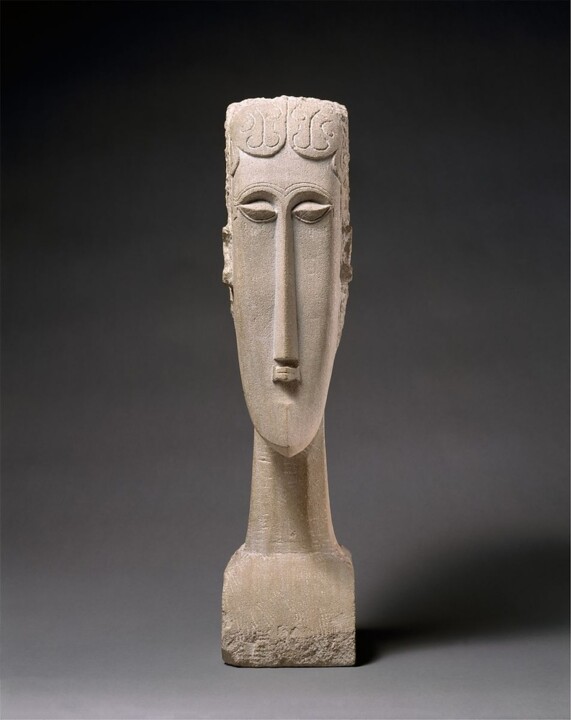
Leyendo la influencia en la obra
Al examinar la obra de Modigliani, como el notable retrato de una mujer con rostro y cuello alargados, resulta imposible ignorar los sorprendentes paralelismos con las formas presentes en las máscaras africanas. El cuello excesivamente largo, el rostro ovalado simplificado y la expresión de máscara encapsulan elementos clave de la estética Baule y Dan. Los ojos almendrados, sin pupilas, evocan una sensación de misterio e introspección, que recuerda el significado espiritual inherente a los artefactos culturales originales. Las narices geométricas y los rasgos estilizados reflejan aún más la sencillez que define estas máscaras, priorizando la expresión emocional sobre la representación realista. Esta particular elongación transforma la figura humana en un vehículo para una narrativa más profunda, resaltando así las emociones y los estados internos en lugar de la mera apariencia externa.
“El diálogo entre el arte de Modigliani y las máscaras africanas no solo transforma el retrato, sino que también nos invita a explorar la esencia de la identidad y la abstracción.”
Como parte de la revolución modernista, la integración de la estética tribal por parte de Modigliani no fue una mera apropiación, sino un diálogo que transformó nuestra comprensión de la forma y la expresión en el arte. Refleja un creciente reconocimiento del valor de las diferentes narrativas culturales dentro del amplio entramado de la historia del arte. La elección de adoptar estas formas alargadas elevó el debate en torno a la raza, la identidad y las conexiones espirituales que trascienden las fronteras artísticas. Al reconocer este diálogo, comenzamos a apreciar cómo el arte tribal sirve no solo como inspiración, sino también como un componente esencial de la evolución del arte contemporáneo.
Qué significa esto para ti
Comprender las influencias que moldearon la obra de Modigliani te permite apreciar con mayor profundidad la complejidad del retrato moderno. Las conexiones entre culturas revelan cómo la expresión artística trasciende las fronteras geográficas y temporales. Al contemplar una obra de arte, considera las diversas influencias que convergen en cada pieza; podrás descubrir significados más profundos al conectar con las narrativas que impulsan la innovación artística. Al explorar el mundo del arte, estar abierto a estos diálogos enriquecerá tu experiencia y comprensión de la condición humana compartida, reflejada en diversas culturas.
Libros y recursos que podrían gustarte
- Paul Gauguin: Un viaje a Tahití (Aventuras en el arte)
- El primitivismo en el arte moderno
- La tierra alberga a nuestros ancestros: arte contemporáneo de nativos americanos
Referencias y lecturas adicionales
Imagen cortesía de: Amedeo Modigliani / www.ebsco.com — www.ebsco.com
Los enlaces de afiliados en este sitio web pueden generar una pequeña comisión sin costo adicional para usted. Este apoyo contribuye a mantener un proyecto dedicado a la belleza y la comprensión cultural del arte tribal.
Publicaciones relacionadas:
 Cómo la fascinación de Henri Matisse por las máscaras africanas revolucionó la simplificación moderna en el arte.
 Cómo la simplificación radical de Constantin Brâncuși se inspiró en las tradiciones escultóricas africanas
 Cómo Jeffrey Gibson transforma el trabajo con cuentas de los nativos americanos en arte contemporáneo revolucionario.