Cómo la lente de Cara Romero captura el espíritu vivo del patrimonio Chemehuevi en la fotografía contemporánea.
¿Quién es Cara Romero?
Cara Romero es una fotógrafa contemporánea de ascendencia chemehuevi, cuyo trabajo explora con maestría la intersección entre cultura, identidad y expresión artística. Nacida y criada en el sur de California, Romero es reconocida por su habilidad para fusionar temas tradicionales nativos americanos con técnicas fotográficas modernas. Esta singular fusión no solo le sirve como vía de expresión creativa, sino también como medio para explorar y comunicar el legado de los pueblos indígenas en el mundo actual. Su arte se caracteriza por una profunda conexión con sus raíces culturales, en particular con la comunidad chemehuevi, a orillas del río Colorado. La fotografía de Romero trasciende la mera representación; busca revitalizar y honrar las tradiciones nativas, a la vez que transmite un mensaje contundente sobre la identidad indígena contemporánea.
El arte tribal que lo cambió todo
La obra de Romero está profundamente influenciada por las ricas tradiciones del pueblo Chemehuevi, así como por la estética ceremonial indígena y mexicana en general. Uno de los aspectos más significativos de su trayectoria artística fue el reconocimiento y la exploración de la interacción entre estos elementos culturales. La cultura Chemehuevi, con su singular tradición oral y sus costumbres, influyó profundamente en la obra fotográfica de Romero. Entre los elementos que suele destacar se encuentran los roles de las mujeres dentro de su tribu: ”las guardianas de la cultura”. Cabe destacar que las historias de la espiritualidad y las prácticas Chemehuevi resuenan profundamente en toda su obra, capturando tanto el encanto como la importancia de los legados ancestrales.
A través de su lente, se aprecia la perfecta fusión de expresiones contemporáneas, como la estética del Día de Muertos, integradas en sus retratos, celebrando la vida, la muerte y la continuidad de la cultura. Esta síntesis ilumina la belleza de la vida chemehuevi a la vez que desafía los estereotipos, trayendo sus tradiciones al ámbito moderno, donde permanecen vibrantes y relevantes.
Leyendo la influencia en la obra
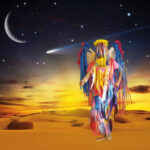
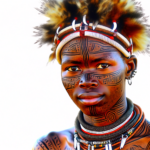
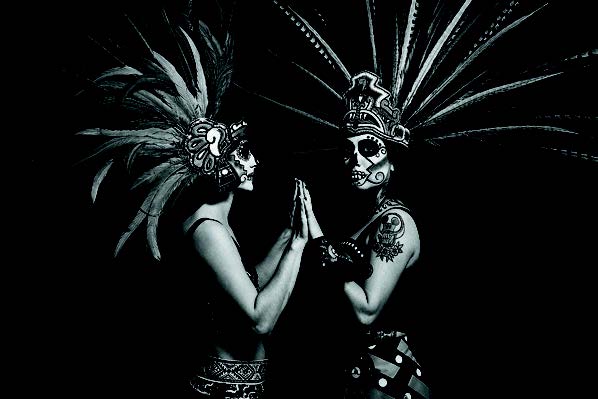
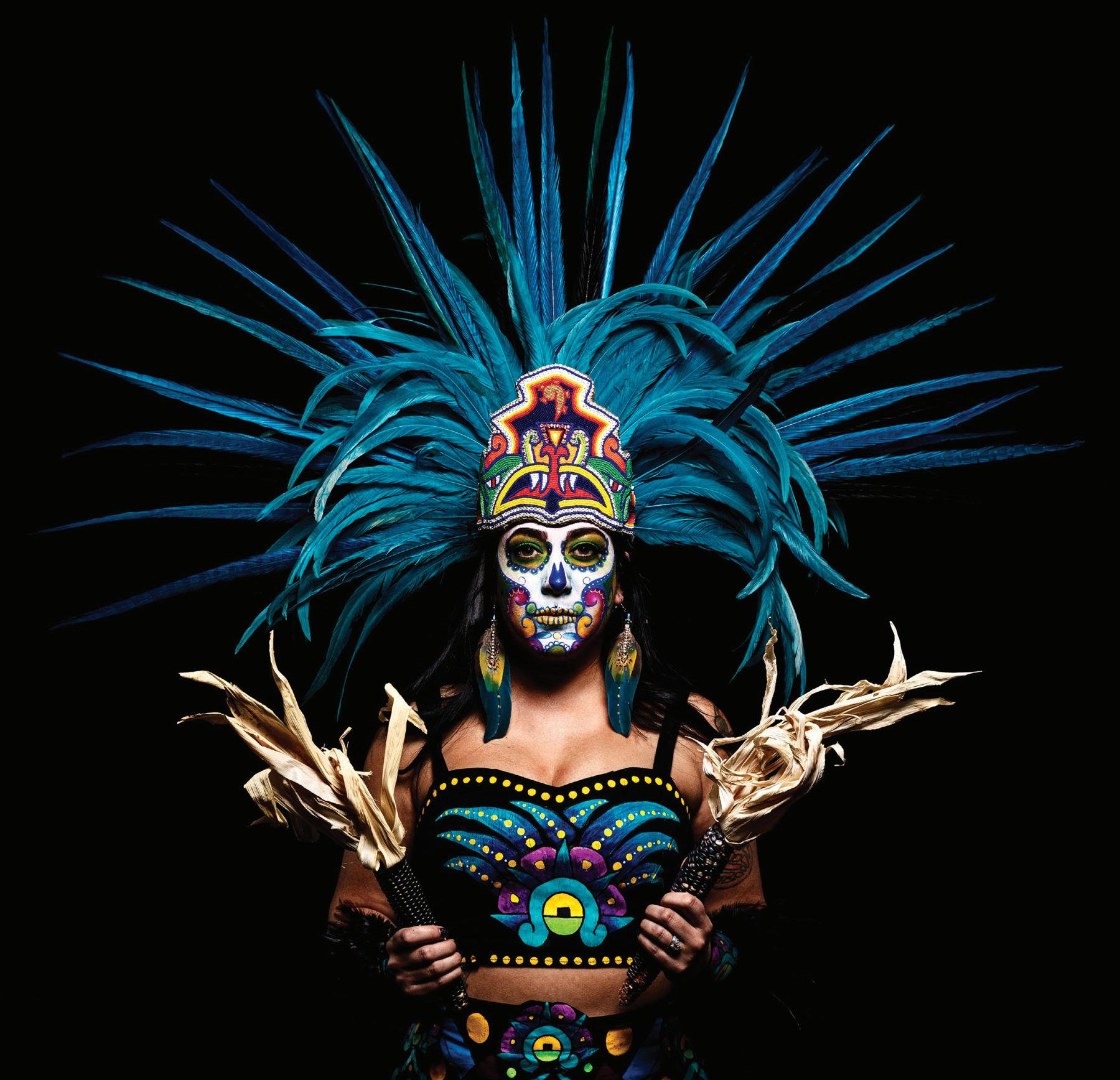
La obra fotográfica de Romero, en particular piezas como “Arla Lucia” y “Ty”, plasma los diálogos culturales que busca fomentar. Estas obras muestran figuras adornadas con elaborados tocados de plumas de inspiración azteca, cautivando al espectador con sus intrincados detalles y su poderoso simbolismo. En la fotografía destacada, sus modelos lucen pintura facial con motivos de calaveras, utilizada con fines ceremoniales, fusionando así motivos indígenas tradicionales con la herencia mexicana. Sus manos unidas en oración evocan una profunda conexión con el mundo espiritual, enfatizando el respeto y la reverencia, características distintivas de la tradición Chemehuevi.
“El arte se convierte en un testimonio vivo de las narrativas culturales, transformando la forma en que vemos la identidad indígena hoy en día.”
El dramático juego de luces y sombras en la imagen añade capas adicionales de significado, encapsulando las dimensiones espirituales y corporales de estas tradiciones culturales. El dominio de la composición por parte de Romero, así como su uso de tonos monocromáticos, nos invita a reflexionar sobre el peso del legado en el contexto de la existencia contemporánea. Su obra fomenta una comprensión más profunda de la identidad indígena actual, tendiendo puentes entre el pasado y el presente.
Por qué importa este diálogo entre culturas
El diálogo artístico que propone Romero fomenta conversaciones importantes sobre la representación y la comprensión de las identidades indígenas. Artistas como Cara Romero, al inspirarse en el arte tribal, desafían las narrativas dominantes que a menudo pasan por alto la complejidad y la riqueza de las culturas nativas. Esta fusión de influencias cultiva una mayor apreciación por los matices del patrimonio indígena, recordándonos a la vez la resiliencia y la creatividad inherentes a estas comunidades. Romero utiliza su plataforma y talento no solo para compartir historias, sino también para abogar por la preservación cultural y el reconocimiento de las prácticas indígenas en todo el mundo.
Este diálogo es fundamental en la historia del arte, ya que no solo enriquece nuestro panorama visual, sino que también amplía la comprensión contextual de lo que significa ser indígena en el mundo moderno. La fusión de lo tradicional y lo contemporáneo en la obra de Romero refleja la continua evolución de las prácticas culturales, revelando la relevancia siempre presente de estas identidades en la sociedad actual.
Reflexiones finales
La fotografía de Cara Romero invita a contemplar el espíritu del pueblo Chemehuevi a través de una mirada contemporánea. Su habilidad para fusionar tradiciones con modernidad refleja la resiliencia y el legado perdurable de las culturas indígenas. Al conectar con sus narrativas visuales, participas activamente en la historia de la preservación, la comprensión y la apreciación cultural. Al explorar el arte de artistas como Romero, conectamos no solo con la belleza de su obra, sino también con el corazón y el alma de las culturas que representan, celebrando un diálogo vital que honra el pasado y abraza el futuro.
Libros y recursos que podrían gustarte
- Paul Gauguin: Un viaje a Tahití (Aventuras en el arte)
- El primitivismo en el arte moderno
- La tierra alberga a nuestros ancestros: arte contemporáneo de nativos americanos
Referencias y lecturas adicionales
Imagen cortesía de: Cara Romero / www.artsy.net — www.artsy.net
Los enlaces de afiliados en este sitio web pueden generar una pequeña comisión sin costo adicional para usted. Este apoyo contribuye a mantener un proyecto dedicado a la belleza y la comprensión cultural del arte tribal.