How Cara Romero’s Lens Captures the Living Spirit of Chemehuevi Heritage in Contemporary Photography
Who Is Cara Romero?
Cara Romero is a contemporary photographer of Chemehuevi heritage, whose work deftly navigates the intersections of culture, identity, and artistic expression. Born and raised in Southern California, Romero is cherished for her ability to meld traditional Native American themes with modern photographic techniques. This unique fusion serves not only as a form of creative outlet but also as a means to explore and communicate the ongoing heritage of Indigenous peoples in today’s world. Her art is characterized by a thoughtful engagement with her cultural roots, particularly the Chemehuevi community, off the Colorado River. Romero’s photography goes beyond mere representation; it aims to revitalize and honor Native traditions while making a compelling statement about contemporary Indigenous identity.
The Tribal Art That Changed Everything
Romero’s work is profoundly influenced by the rich traditions of the Chemehuevi people, as well as broader Indigenous and Mexican ceremonial aesthetics. One of the most significant aspects of her artistic journey involved the recognition and exploration of how these cultural elements interplay. Chemehuevi culture, with its unique storytelling and customs, profoundly shaped what Romero photographs. Among the elements she often highlights are the roles of women within her tribe—”the keepers of the culture.” Notably, stories from Chemehuevi spirituality and practice resonate deeply throughout her work, encapsulating both the allure and significance of ancestral legacies.
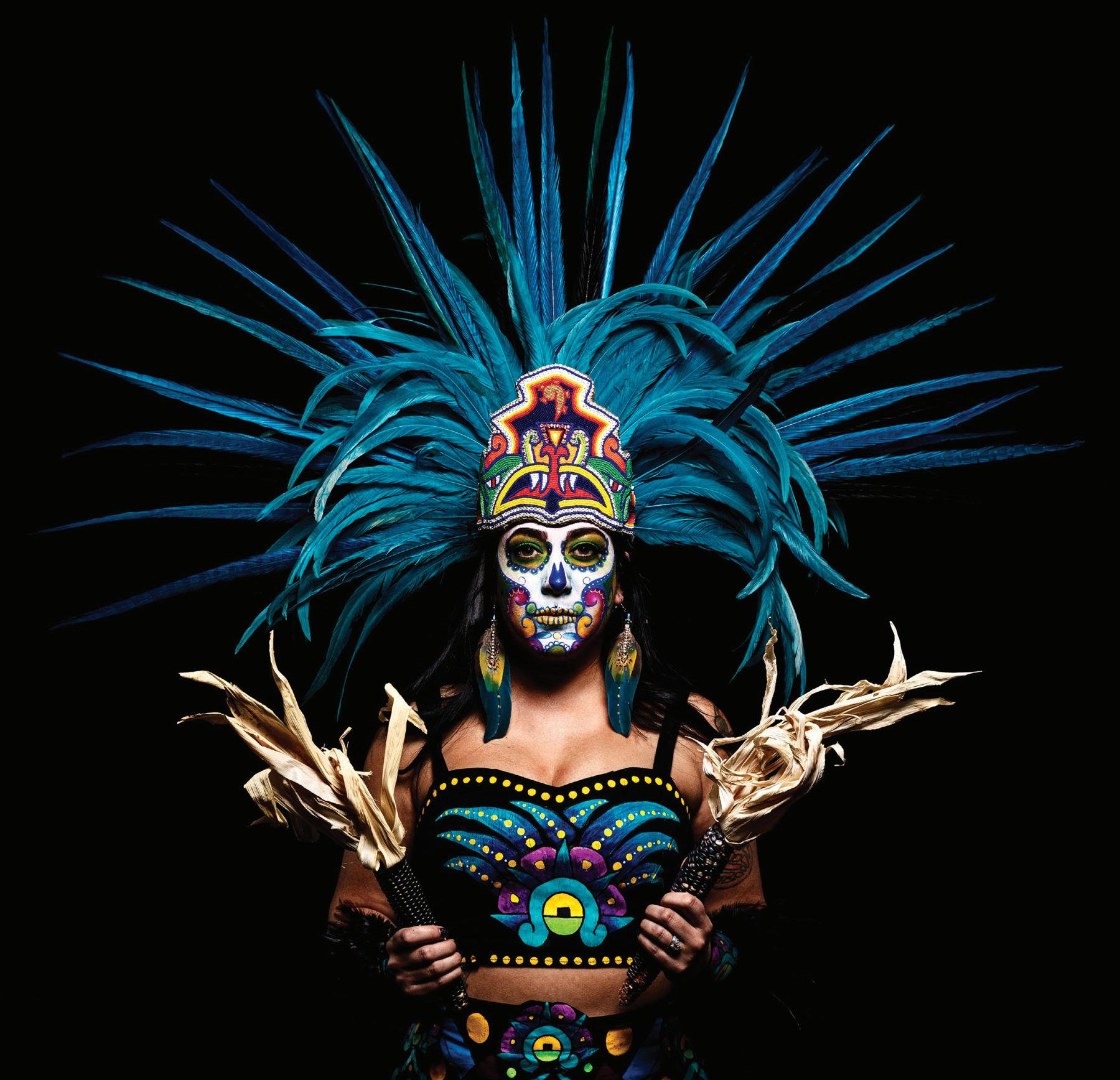
Through her lens, you see the seamless blend of contemporary expressions, like the Día de los Muertos aesthetic, integrated into her portraits—celebrating life, death, and the continuity of culture. This synthesis illuminates the beauty of Chemehuevi life while challenging stereotypes, bringing their traditions into the modern sphere where they remain vibrant and relevant.
Reading the Influence in the Work
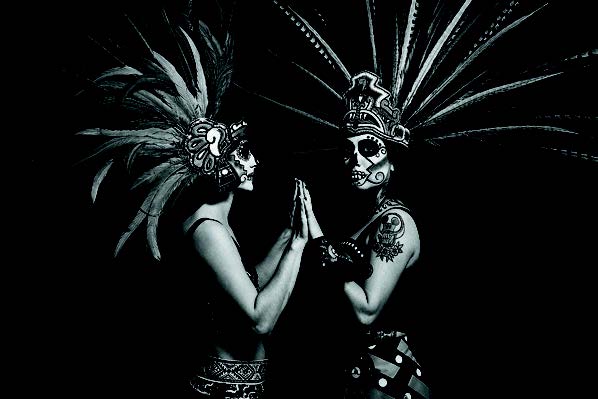
Romero’s photographic work, particularly pieces like “Arla Lucia” and “Ty,” embodies the cultural dialogues she seeks to foster. These pieces showcase figures adorned in elaborate, Aztec-inspired feathered headdresses, captivating viewers with their intricate details and powerful symbolism. In the highlighted photograph, her subjects wear skull face paint adorned for ceremonial purposes, merging traditional Indigenous motifs with Mexican heritage. Their hands pressed together in prayer evoke a profound sense of connection to the spiritual world, emphasizing respect and reverence—hallmarks of Chemehuevi tradition.
“Art becomes a living testament to cultural narratives, transforming the way we see Indigenous identity today.”
The dramatic interplay of shadow and light within the image adds additional layers of meaning, encapsulating the spiritual and corporeal dimensions of these cultural traditions. Romero’s mastery of composition, as well as her use of monochrome tones, invites us to consider the weight of heritage against the backdrop of contemporary existence. Her work encourages a deeper understanding of Indigenous identity today, bridging gaps between the past and the present.
Why This Dialogue Between Cultures Matters
The artistic dialogue established by Romero fosters important conversations regarding the depiction and understanding of Indigenous identities. As artists like Cara Romero draw upon tribal art, they challenge the mainstream narratives that often overlook the complexities and richness of Native cultures. This blending of influences cultivates a broader appreciation for the nuances of Indigenous heritage while also reminding us of the resilience and creativity inherent in these communities. Romero uses her platform and talent not only to share stories but to advocate for cultural preservation and recognition of Indigenous practices worldwide.
This engagement is vital within art history as it not only enriches our visual landscape but also expands the contextual understanding of what it means to be Indigenous in the modern world. The fusion of traditional and contemporary in Romero’s work reflects the continuous evolution of cultural practices, revealing the ever-present relevance of these identities in contemporary society.
Final Thoughts
Cara Romero’s photography invites you to witness the spirit of the Chemehuevi people through a contemporary lens. Her ability to blend traditions with modernity speaks to the resilience and continuing legacy of Indigenous cultures. By engaging with her visual narratives, you actively participate in the story of cultural preservation, understanding, and appreciation. As we explore the art of artists like Romero, we connect not only with the beauty of their work but also with the heart and soul of the cultures they represent, celebrating a vital dialogue that honors the past while embracing the future.
Books & Resources You Might Enjoy
- Paul Gauguin: A Journey to Tahiti (Adventures in Art)
- Primitivism in Modern Art
- The Land Carries Our Ancestors: Contemporary Art by Native Americans
References & Further Reading
Image courtesy of: Cara Romero / www.artsy.net — www.artsy.net
Affiliate links on this website may generate a small commission at no extra cost to you. This support helps sustain a project dedicated to the beauty and cultural understanding of tribal art.