Cómo El Anatsui transformó las tradiciones textiles yoruba en tapices monumentales de metal.
El Anatsui, nacido en 1944 en Anyako, Ghana, es uno de los artistas contemporáneos más reconocidos de África. Graduado de la Universidad de Ciencia y Tecnología de Kumasi, comenzó su carrera como escultor en el ámbito académico antes de dedicarse al arte de la instalación, que desde entonces se ha convertido en su sello distintivo. Sus obras suelen fusionar la estética tradicional africana con inquietudes contemporáneas, utilizando materiales que narran historias de patrimonio cultural y relevancia social. El arte de Anatsui resuena a nivel global, estableciendo conexiones que trascienden fronteras e historia.
El arte tribal que lo cambió todo
La profunda conexión de Anatsui con el arte tribal, en particular con las tradiciones textiles de la cultura yoruba, influye enormemente en su obra. Los yoruba, conocidos por sus intrincadas creaciones textiles, como la tela kente y los diseños adinkra, le proporcionaron a Anatsui un rico vocabulario de formas, colores y significados. Descubrió este arte a través de sus extensos viajes por África Occidental y su estudio de la cultura africana a lo largo de su vida. Al incorporar estos motivos y técnicas de tejido tradicionales a su trabajo, Anatsui crea instalaciones monumentales a partir de materiales reciclados, transformándolos en vibrantes tapices que evocan la importancia de los textiles yoruba y, al mismo tiempo, abordan problemáticas ambientales contemporáneas.
Leyendo la influencia en la obra
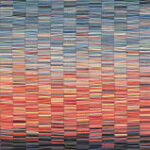
La destreza visual de los tapices metálicos de Anatsui exhibe una intrincada interacción que recuerda las tradiciones textiles yoruba. El brillo y la caída de sus obras, similares a los de la tela kente, invitan a reflexionar sobre la identidad y la herencia cultural. Por ejemplo, sus esculturas suelen estar compuestas por miles de tapones de botellas y piezas metálicas cosidas entre sí para formar vastas y fluidas composiciones que evocan la sensación de movimiento y vitalidad propia del arte textil. El uso de materiales reciclados genera una narrativa sostenible, conectando las prácticas del pasado con las realidades del presente.
“A través de mi trabajo, espero rendir homenaje a las intrincadas narrativas de identidad y cultura que transmiten los textiles tradicionales.”
Además, la naturaleza táctil de las instalaciones de Anatsui invita a apreciar la artesanía inherente tanto a los textiles yoruba como a sus propias creaciones. Cada pieza es un fragmento de una historia más amplia, al igual que los tejidos tradicionales narran historias de linaje, comunidad y memoria cultural. Se pueden apreciar poderosas referencias simbólicas entretejidas en su obra, que reflejan la sensibilidad estética del arte de África Occidental, uniendo el pasado y el presente en una celebración de la continuidad y el cambio.
Por qué importa este diálogo entre culturas
El intercambio artístico entre El Anatsui y la cultura yoruba es significativo no solo por sus resultados estéticos, sino también por su papel en el fomento de la apreciación intercultural en el arte contemporáneo. Al profundizar en los motivos tradicionales y presentarlos desde una perspectiva moderna, Anatsui desafía las narrativas dominantes que consideran el arte africano como estático o exótico. Su obra invita al espectador a reconocer la naturaleza dinámica de las expresiones culturales, demostrando que el arte no es un monólogo, sino una conversación vibrante que trasciende épocas y geografías.
Además, las instalaciones de Anatsui sirven como recordatorio de las contribuciones de África al arte contemporáneo y su relevancia global. Enfatizan la importancia del diálogo en el arte, situando a artistas africanos como Anatsui dentro de una narrativa más amplia de iniciativas artísticas globales que honran y reinterpretan la tradición, al tiempo que invitan a reflexionar críticamente sobre nuestros patrones de consumo y valores sociales.
Reflexiones finales
Las magistrales reinterpretaciones de las tradiciones textiles yoruba que El Anatsui realiza a través de sus monumentales esculturas metálicas capturan la belleza del intercambio cultural. Su dedicación a honrar las técnicas ancestrales, a la vez que innova con materiales contemporáneos, nos invita a repensar nuestra relación con el arte, la cultura y la sostenibilidad. La próxima vez que se encuentre con una de sus instalaciones, permítase explorar el diálogo entre el pasado y el presente, la tradición y la modernidad, y, sobre todo, las historias que nos unen a todos.
Libros y recursos que podrían gustarte
- El Anatsui – Libro sobre arte y activismo
- Paul Gauguin: Un viaje a Tahití (Aventuras en el arte)
- El primitivismo en el arte moderno
Referencias y lecturas adicionales
Imagen cortesía de: El Anatsui / babukali.substack.com — babukali.substack.com
Los enlaces de afiliados en este sitio web pueden generar una pequeña comisión sin costo adicional para usted. Este apoyo contribuye a mantener un proyecto dedicado a la belleza y la comprensión cultural del arte tribal.