
Cómo la épica videoinstalación de Lisa Reihana recupera las narrativas indígenas del Pacífico de la mirada colonial.
La cultura del Pacífico está poderosamente representada en el arte contemporáneo de Lisa Reihana, particularmente en su videoinstalación *En busca de Venus [infectada]*. Esta innovadora obra entrelaza las tradiciones maoríes con narrativas visuales más amplias del Pacífico, recuperando historias indígenas a menudo ignoradas por las perspectivas coloniales.
¿Quién es Lisa Reihana?
Nacida en Auckland, Nueva Zelanda, en 1964, Lisa Reihana es descendiente de las tribus Ngā Puhi, Ngāti Hine y Ngāti Hau. Su multifacética trayectoria abarca diversas disciplinas, como el videoarte, la fotografía y la instalación. Con formación en escultura y bellas artes adquirida en la Universidad de Auckland, la obra de Reihana refleja su compromiso con la exploración de la historia cultural y los problemas contemporáneos desde la perspectiva de sus raíces maoríes. Se inspira tanto en las narrativas tradicionales maoríes como en temas contemporáneos, lo que demuestra su convicción en el poder de las historias para conectar y empoderar. Reihana obtuvo reconocimiento internacional por su innovadora obra durante la Bienal de Venecia de 2017, donde *In Pursuit of Venus [infected]* atrajo una atención significativa por su narrativa compleja y su rico lenguaje visual.
El arte tribal que lo cambió todo
Las inspiraciones de Reihana se hunden profundamente en la estética y las narrativas del arte del Pacífico, en particular en el arte maorí, junto con las influencias polinesias y melanesias. Su acercamiento a estas tradiciones visuales refleja una apreciación más amplia por la complejidad de las culturas oceánicas. Descubrió estas influencias a través de una extensa investigación sobre relatos indígenas, textiles y el contexto histórico de la colonización en el Pacífico. Esta exploración le permitió comprender cómo el colonialismo ha moldeado las percepciones sobre los pueblos indígenas y su arte, despertando en ella la pasión por recuperar estas narrativas en su obra.
Leyendo la influencia en la obra
En *En busca de Venus [infectada]*, Reihana presenta un tapiz visualmente rico que fusiona lo histórico con lo contemporáneo. La instalación presenta un paisaje reinventado inspirado en la pintura europea del siglo XIX *El Gran Tour*, que suele representar vistas idílicas del Pacífico. Sin embargo, en lugar de presentar una perspectiva colonial idealizada, la obra de Reihana pone de relieve a figuras indígenas involucradas en actividades de gran significado cultural, invirtiendo así la narrativa de la objetivación. Las imágenes brillantes, impregnadas de flora tropical y colores vibrantes, evocan la esencia del arte tradicional del Pacífico, pero se presentan a través de una lente moderna que resulta atractiva para el público contemporáneo.
“Al representar a los pueblos indígenas como sujetos vibrantes y autónomos, subvertimos la narrativa transmitida por las historias coloniales.”
La coreografía y el movimiento en el video de Reihana evocan las representaciones tradicionales maoríes, incorporando elementos como waiata (canciones) y haka (danzas), que resuenan con un profundo significado cultural. Esta representación deliberada crea un diálogo constante con obras de arte históricas, infundiéndoles nueva vida y asegurando que las voces indígenas sean escuchadas, respetadas y celebradas. En lugar de simplemente tomar prestada la estética, Reihana actúa como mediadora, traduciendo historias ancestrales en momentos contemporáneos de reflexión y participación.
Por qué importa este diálogo entre culturas
El intercambio artístico entre las prácticas contemporáneas de Reihana y las ricas tradiciones del arte indígena contribuye a profundizar nuestra comprensión de ambas culturas. Destaca un movimiento crucial en la historia del arte donde se reivindican las voces de los pueblos colonizados, lo que permite una narrativa más inclusiva en torno al arte. Al examinar y apreciar la belleza y la complejidad del arte tribal desde una perspectiva moderna, no solo ampliamos nuestra apreciación artística, sino que también fomentamos un mayor respeto por las culturas indígenas a nivel mundial. La obra de artistas como Reihana demuestra la importancia de reconocer, comprender y valorar el pasado, allanando el camino hacia un futuro donde diversas expresiones culturales puedan coexistir armoniosamente.
Por qué esto importa
Libros y recursos que podrían gustarte
- Paul Gauguin: Un viaje a Tahití (Aventuras en el arte)
- El primitivismo en el arte moderno
- La tierra alberga a nuestros ancestros: arte contemporáneo de nativos americanos
Referencias y lecturas adicionales
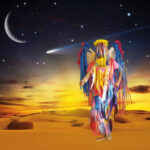
Imagen cortesía de: Lisa Reihana / roguearthistorian.substack.com — roguearthistorian.substack.com
Los enlaces de afiliados en este sitio web pueden generar una pequeña comisión sin costo adicional para usted. Este apoyo contribuye a mantener un proyecto dedicado a la belleza y la comprensión cultural del arte tribal.
Publicaciones relacionadas:
 Cómo Ilídio Candja Candja transforma la vida en los barrios marginales de Angola en poderosas narrativas tribales multimedia.
 Cómo Gabriel Chaile transforma la herencia indígena argentina en esculturas monumentales de arcilla.
 Cómo Wendy Red Star recupera la herencia de la Nación Crow a través de una vibrante fotografía contemporánea.