Diseños ornamentales tracios: redescubriendo el arte tribal europeo antiguo
¿Sabías que algunos de los patrones ornamentales más impresionantes del arte europeo antiguo pertenecen a una civilización que floreció hace miles de años? Los tracios, que habitaban los Balcanes, crearon intrincados motivos que no solo adornaban sus objetos cotidianos, sino que también narraban historias sobre su cultura y creencias. Si te cautiva la belleza del arte tribal, los patrones tracios son un aspecto imprescindible del arte tribal europeo antiguo que te acerca al corazón de esta vibrante civilización.
Una mirada a Tracia y su vibrante cultura.
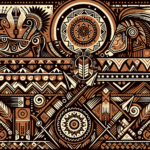
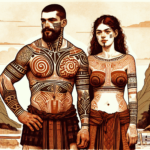
Tracia, tierra que abarcaba la actual Bulgaria, Grecia y Turquía, fue mucho más que un simple escenario para diversas tribus antiguas: fue un crisol de culturas, lenguas y expresiones artísticas. Los tracios son a menudo reconocidos por su destreza artística, y es en sus diseños ornamentales donde se aprecia una singular fusión de practicidad y espiritualidad. Imaginemos a los antiguos guerreros ataviados no solo con armaduras, sino también con textiles y cerámicas finamente elaborados que exhibían los exquisitos patrones tracios, cada uno un reflejo de sus creencias, historias y estatus social.
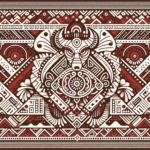
Estos diseños suelen representar la naturaleza, criaturas míticas y formas geométricas, impregnando la vida cotidiana de los tracios con simbolismos que aún hoy se intentan descifrar. Al explorar los vestigios de esta civilización, ya sea mediante excavaciones arqueológicas o el estudio de artefactos, queda claro que cada diseño cuenta una historia, convirtiéndolos en una parte fundamental para comprender su legado. Si te interesa profundizar en el mundo del arte antiguo, considera adquirir un libro de Historia del Arte Tribal para enriquecer aún más tu conocimiento de diferentes culturas.
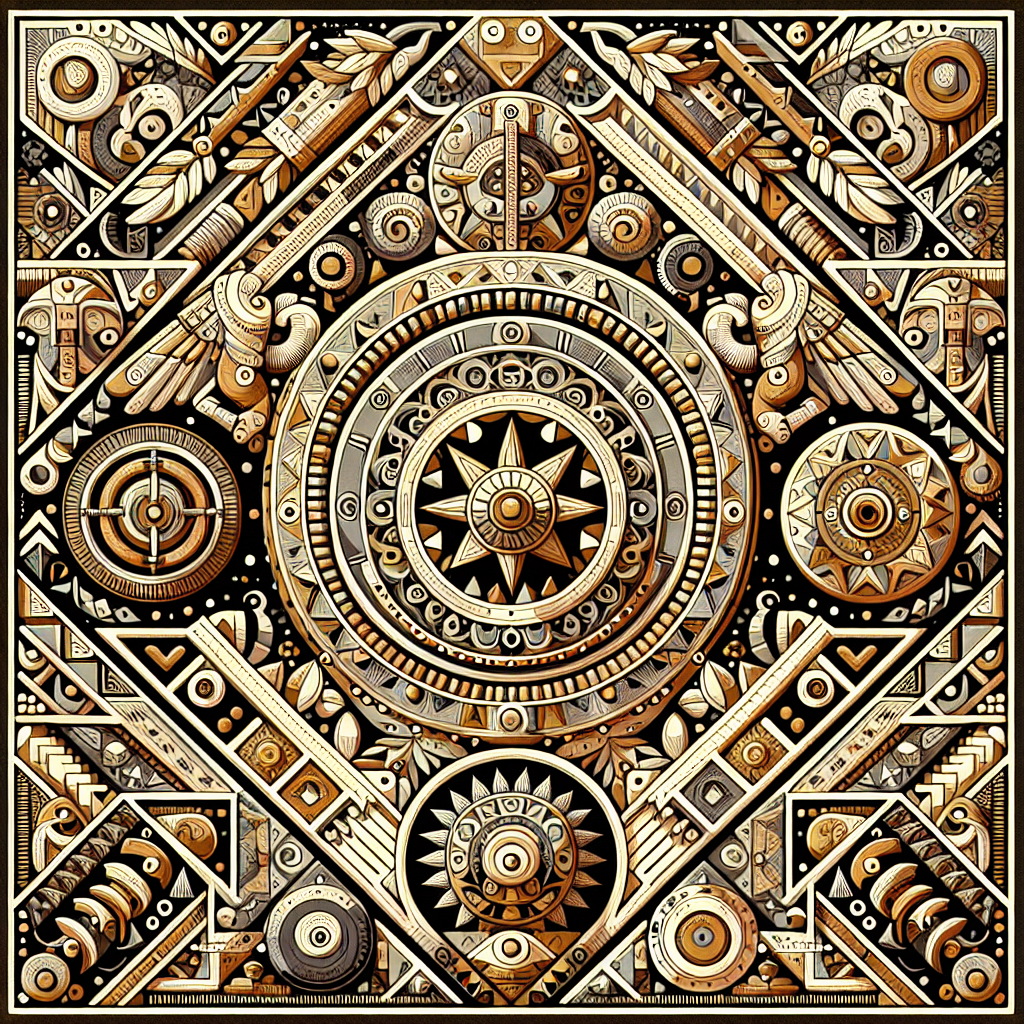
Desentrañando el lenguaje del patrón tracio
En esencia, el patrón tracio encarna un lenguaje: un vocabulario visual que transmite los valores sociales y las creencias espirituales del pueblo. Muchos de estos diseños ornamentados están impregnados de significado mitológico. Por ejemplo, las espirales pueden representar la eternidad, mientras que las representaciones de animales suelen simbolizar la fuerza o la protección. Esta profunda conexión entre el arte y la cosmología no solo es fascinante, sino que también establece paralelismos con otras formas de arte tribal alrededor del mundo, como los patrones africanos que presentan temas espirituales similares. Explorar estas similitudes puede enriquecer la apreciación del arte como un lenguaje universal; para quienes sientan curiosidad, un libro sobre arte y patrones africanos podría ofrecer valiosas perspectivas sobre estas cautivadoras conexiones.
Además, el intercambio cultural ha desempeñado un papel fundamental en la evolución de estos motivos. Los diseños tracios comparten similitudes con otros ornamentos balcánicos, lo que evidencia una rica red de interacciones entre regiones. La fluidez del estilo y el simbolismo enriquece nuestra comprensión tanto de las culturas individuales como de la interconexión de las civilizaciones antiguas. Al contemplar un motivo tracio, presenciamos los ecos de diálogos ancestrales: una invitación a conectar con la historia a un nivel profundamente personal.
La asombrosa complejidad de los diseños tracios nos invita a explorar no solo el arte en sí, sino también las historias que transmiten a través del tiempo.
Expresiones creativas e interpretaciones modernas
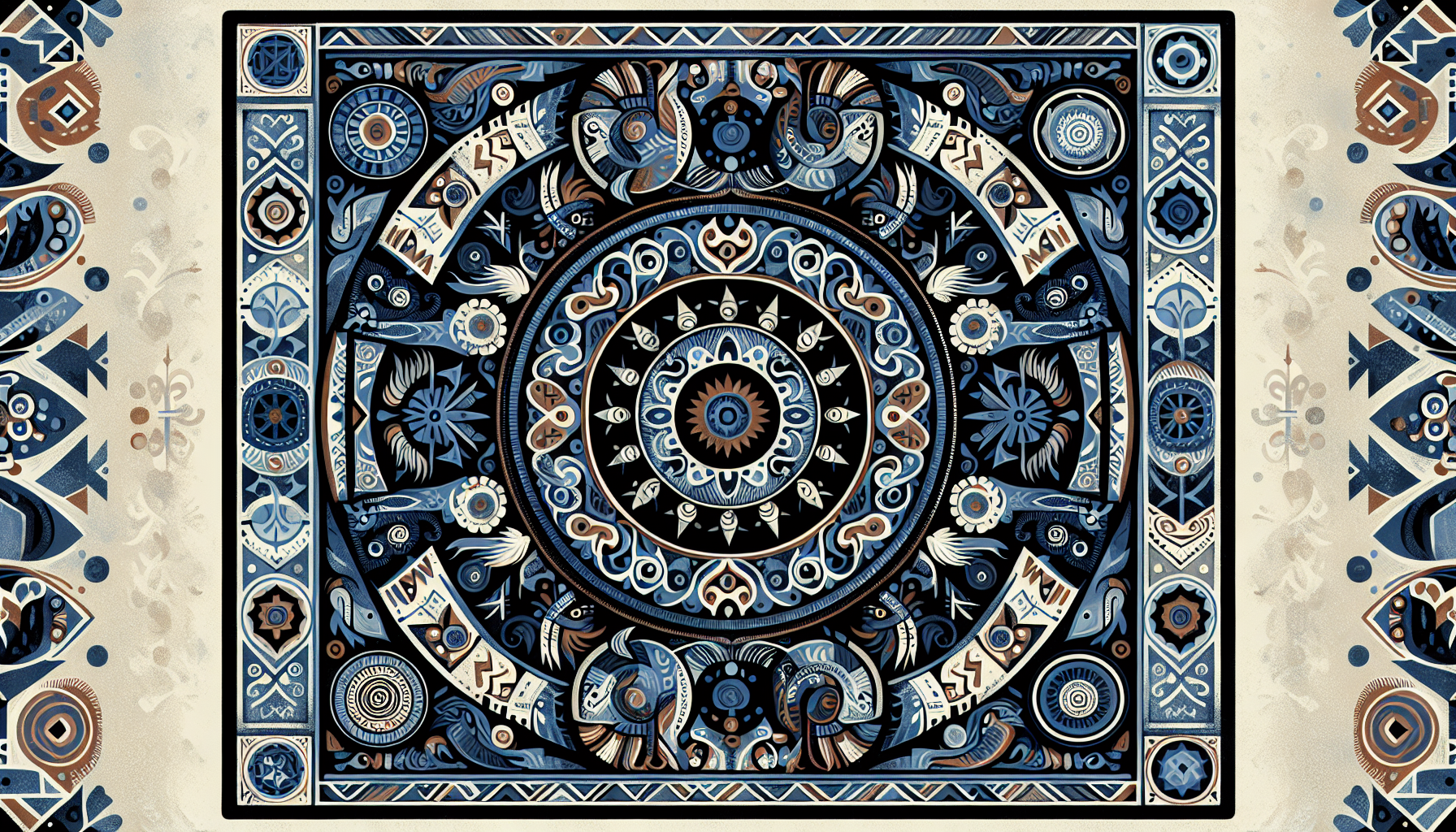
Curiosamente, la influencia de los motivos ornamentales tracios en el arte contemporáneo es más notable de lo que se podría pensar. Artistas y diseñadores modernos se sienten atraídos por la vitalidad y los intrincados detalles de estos diseños ancestrales, incorporándolos a menudo en textiles, joyería y decoración del hogar. Este resurgimiento no se limita a la estética; es una celebración del patrimonio y un esfuerzo por mantener vivas las historias del pasado en el mundo actual. Si eres una persona creativa, quizás disfrutes experimentando con estos diseños a través de un libro para colorear de patrones tribales para adultos, donde podrás dar vida a estos motivos ancestrales.
Visitar yacimientos arqueológicos tracios puede enriquecer aún más la comprensión de estos patrones. Por ejemplo, sitios como la tumba de Kazanlak en Bulgaria ofrecen a los visitantes una visión del rico mundo artístico de los tracios. Al pasear entre estas ruinas antiguas, se puede visualizar cómo estos patrones formaban parte de su vida cotidiana, representando la identidad, la herencia y los lazos comunitarios. Viajar por Tracia es como retroceder en el tiempo y experimentar de primera mano la influencia de esta extraordinaria cultura en el panorama general de la historia europea.
Tu viaje al corazón del arte tracio
Redescubrir la belleza de los motivos ornamentales tracios no es solo una empresa histórica; es un viaje a través del tiempo que enriquece tu comprensión de la expresión y la creatividad humanas. Tanto si eres un entusiasta del arte, un aficionado a la historia o simplemente alguien que aprecia los diseños bellos, explorar las múltiples influencias del arte tribal europeo antiguo puede ser una experiencia enriquecedora que resuene profundamente en ti. Así que, la próxima vez que te encuentres con un motivo tracio, tómate un momento para considerar las capas de significado e historia que encierra: cada patrón es un viaje por descubrir.
Reflexiones finales
A medida que profundizamos en el mundo de los motivos ornamentales tracios, descubrimos que estos diseños son mucho más que bellas obras de arte: atesoran la esencia de una cultura perdida, plasmada en los pliegues de antiguos textiles y grabada en la cerámica. Al revivir y reinterpretar estos patrones hoy, contribuimos a un legado que abarca siglos, uniendo el pasado con nuestro mundo moderno. Así que, tanto si exploras los motivos tracios en un viaje creativo personal como si compartes su legado con otros, recuerda que formas parte de una historia mucho más amplia, una historia tejida a través del tiempo.
Los enlaces de afiliados en este sitio web pueden generar una pequeña comisión sin costo adicional para usted. Este apoyo contribuye a mantener un proyecto dedicado a la belleza y la comprensión cultural del arte tribal.