Arte en fieltro: una herramienta de supervivencia en climas adversos
Al pensar en fieltro, solemos imaginar mantas acogedoras o artesanías decorativas. Sin embargo, en los duros climas de Siberia, el fieltro adquiere un papel completamente distinto, sirviendo como herramienta vital para la supervivencia de las tribus nómadas. Los aspectos funcionales del arte en fieltro no son meramente decorativos, sino que constituyen un elemento esencial para la vida, demostrando el ingenio de los artesanos que crean materiales prácticos y resistentes a la intemperie, necesarios para sobrevivir.
Fabricación de objetos para la supervivencia
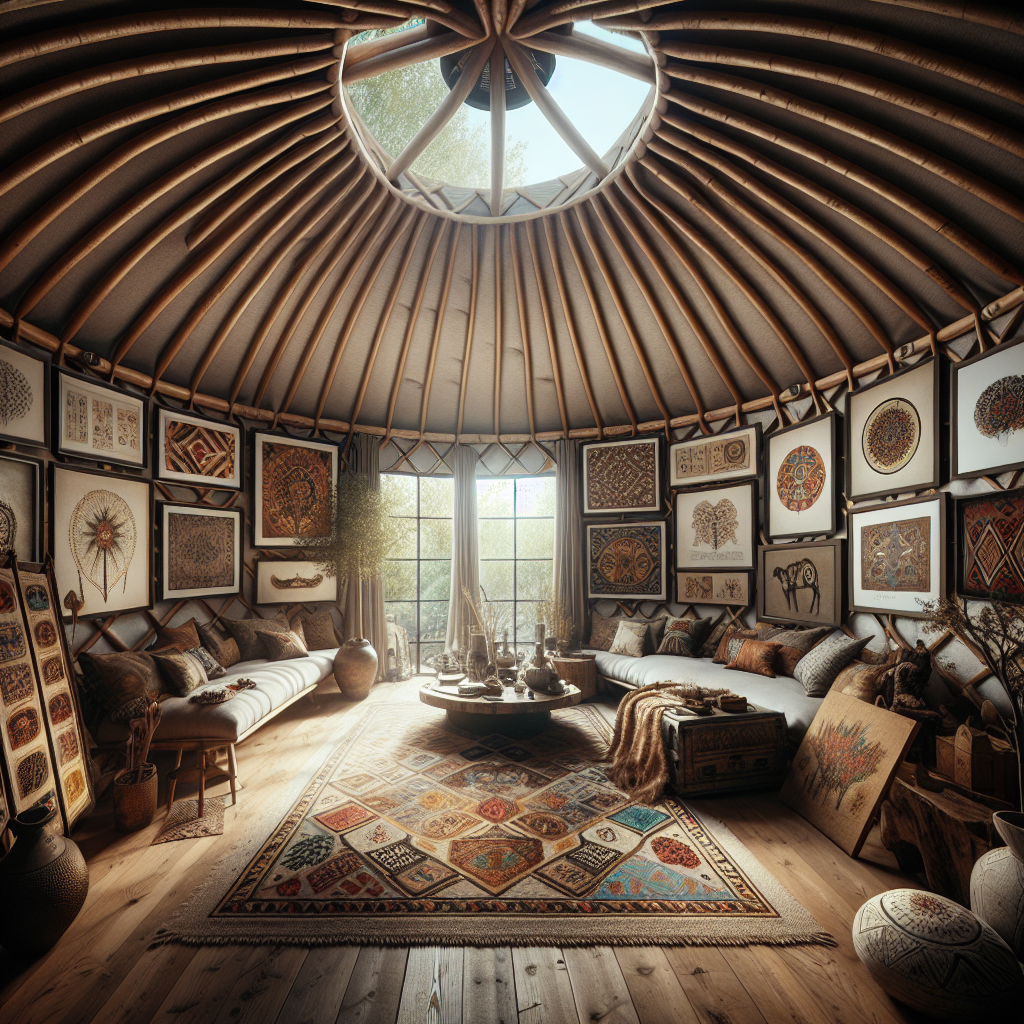
Los artesanos siberianos dominan el arte de la fabricación de fieltro, transformando la lana cruda de oveja en un material versátil capaz de soportar temperaturas extremas. Esta artesanía no se limita a la estética; los aspectos funcionales del fieltro desempeñan un papel crucial en la vida cotidiana de los pueblos nómadas. El fieltro se utiliza para crear yurtas, ropa e incluso calzado, proporcionando aislamiento contra el frío intenso propio de los inviernos siberianos. Las gruesas capas de fieltro atrapan el aire, creando una barrera que mantiene el calor dentro y el frío fuera, lo que lo hace indispensable para la supervivencia.
Además, estos artesanos emplean técnicas que mejoran la resistencia del fieltro a la intemperie. Al comprimir firmemente las fibras de lana y utilizar materiales naturales para el teñido, crean un fieltro que repele el agua, asegurando que los objetos permanezcan secos incluso en condiciones de humedad. Esta adaptabilidad es un testimonio de la relación entre los artesanos y su entorno, donde la creación del fieltro es tanto una expresión cultural como una necesidad para resistir las inclemencias del tiempo.
Los aspectos funcionales del arte del fieltro en Siberia ilustran cómo la creatividad puede prosperar en las condiciones más difíciles, fusionando la utilidad con la identidad cultural.
Más que una simple funcionalidad
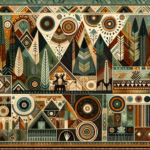
El arte que implica la elaboración del fieltro trasciende su función utilitaria. Cada pieza cuenta una historia, reflejando las tradiciones, creencias y experiencias de las tribus nómadas. Los patrones y colores suelen estar cargados de simbolismo, representando importantes narrativas culturales. Esta dualidad entre función y arte crea una forma de expresión única, profundamente arraigada en la vida tribal.
En el contexto contemporáneo, el uso innovador del fieltro se ha integrado en la decoración moderna, fusionando la artesanía tradicional con el diseño contemporáneo. Por ejemplo, una alfombra tribal hecha a mano puede aportar un toque de este arte resistente al hogar, combinando funcionalidad y atractivo estético.
¿Quieres profundizar en este tema? Lee nuestro artículo completo: Arte en fieltro de Siberia y Asia Central: tradiciones nómadas para hogares modernos
El panorama general
La intrincada artesanía del fieltro en Siberia nos recuerda la resiliencia y la creatividad de las culturas indígenas. Al comprender los aspectos funcionales del arte del fieltro, podemos apreciarlo no solo como decoración, sino como un componente vital para la supervivencia, que une la utilidad con el arte en la vida de las tribus nómadas.
Los enlaces de afiliados en este sitio web pueden generar una pequeña comisión sin costo adicional para usted. Este apoyo contribuye a mantener un proyecto dedicado a la belleza y la comprensión cultural del arte tribal.