Felt Art: A Survival Tool in Harsh Climates
When one thinks of felt, images of cozy blankets or decorative crafts often come to mind. However, in the harsh climates of Siberia, felt takes on an entirely different role, serving as a vital survival tool for nomadic tribes. The functional aspects of felt art are not merely decorative but are an essential element of life, showcasing the ingenuity of artisans who create practical, weather-resistant materials needed for survival.
Crafting for Survival
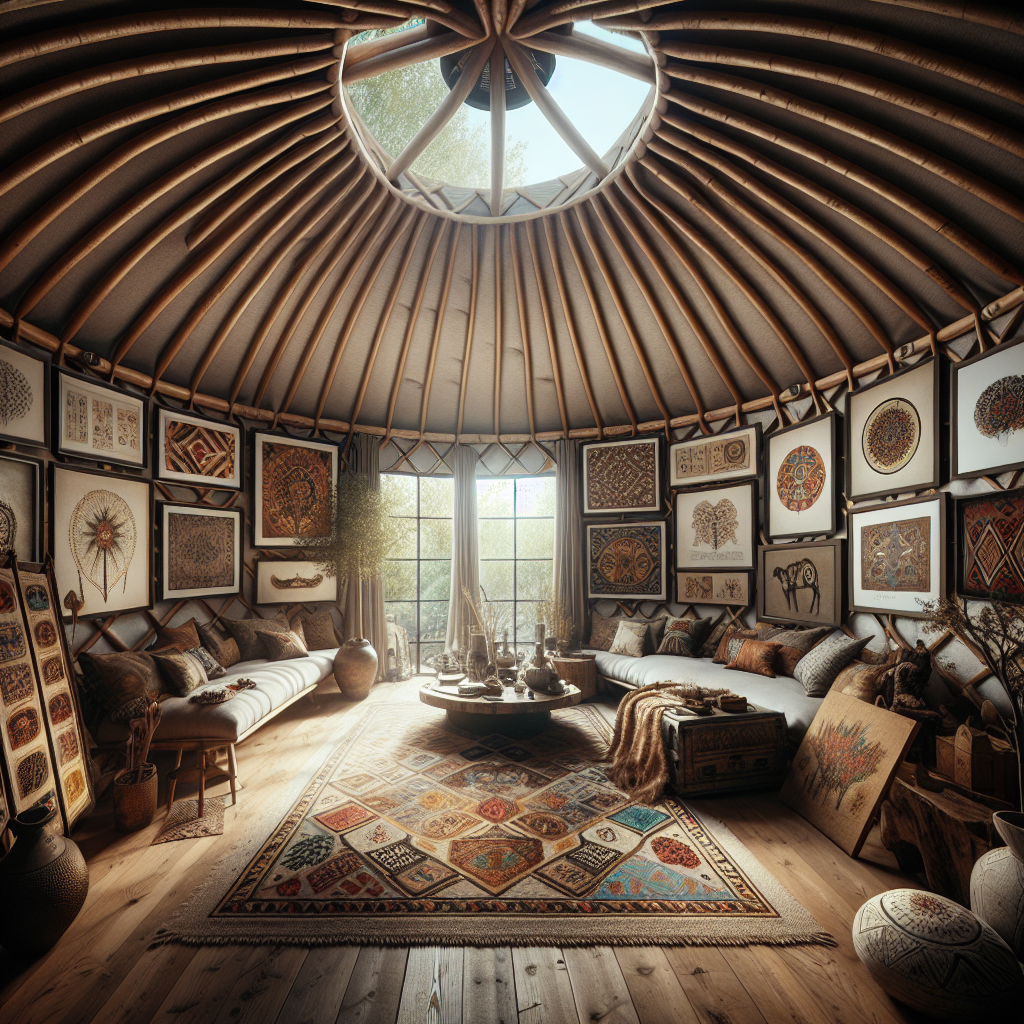
Siberian artisans have mastered the art of felt-making, transforming raw sheep wool into a versatile material that can withstand extreme temperatures. This craft is not just about aesthetics; the functional aspects of felt art play a crucial role in the daily lives of nomadic peoples. Felt is used to create yurts, clothing, and even footwear, providing insulation against the biting cold prevalent in Siberian winters. The thick layers of felt trap air, creating a barrier that keeps warmth in and the cold out, making it indispensable for survival.
Moreover, these artisans employ techniques that enhance the weather-resistance of felt. By tightly compressing the wool fibers and using natural materials for dyeing, they create felt that repels water, ensuring that items remain dry in wet conditions. This adaptability is a testament to the relationship between the artisans and their environment, where the creation of felt is both a cultural expression and a necessity for enduring the elements.
The functional aspects of felt art in Siberia illustrate how creativity can thrive under the most challenging conditions, merging utility with cultural identity.
More Than Just Functionality
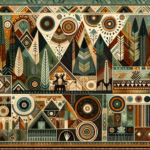
The artistry involved in crafting felt transcends its utilitarian purpose. Each piece tells a story, reflecting the traditions, beliefs, and experiences of the nomadic tribes. Patterns and colors are often laden with symbolism, representing important cultural narratives. This duality of function and art creates a unique form of expression that is deeply woven into the fabric of tribal life.
In contemporary contexts, the innovative use of felt art has found its way into modern decor, blending traditional craftsmanship with contemporary design. For example, a handmade tribal area rug can bring a touch of this resilient artistry into the home, merging functionality with aesthetic appeal.
Want to explore this further? Read our full article: Siberian and Central Asian Felt Art: Nomadic Traditions for Modern Homes
The Bigger Picture
The intricate craft of felt-making in Siberia serves as a reminder of the resilience and creativity of indigenous cultures. By understanding the functional aspects of felt art, we can appreciate it not just as decoration but as a vital component of survival, bridging the gap between utility and artistry in the lives of nomadic tribes.
Affiliate links on this website may generate a small commission at no extra cost to you. This support helps sustain a project dedicated to the beauty and cultural understanding of tribal art.