How Zanele Muholi Reclaims African Identity Through Portrait Photography
Have you ever wondered how art can reclaim and redefine identity? This is precisely what Zanele Muholi, the celebrated South African portrait photographer, does through their stunning work. With each striking portrait, Muholi navigates the complex landscape of tribal identity, shedding light on the nuanced experiences of LGBTQIA+ individuals in South Africa. Their camera not only captures faces; it introduces voices, stories, and an unapologetic celebration of heritage that demands to be seen and heard.
The Intersection of Portraiture and Identity
What sets Zanele Muholi’s portrait photography apart is their fervent dedication to representing marginalized communities. With roots deeply planted in the heart of apartheid-era South Africa, Muholi uses their art to challenge the dominant narratives that often overlook or misrepresent Black and queer identities. Through empowerment and visibility, they emphasize the beauty and strength of tribal identity within contemporary society.
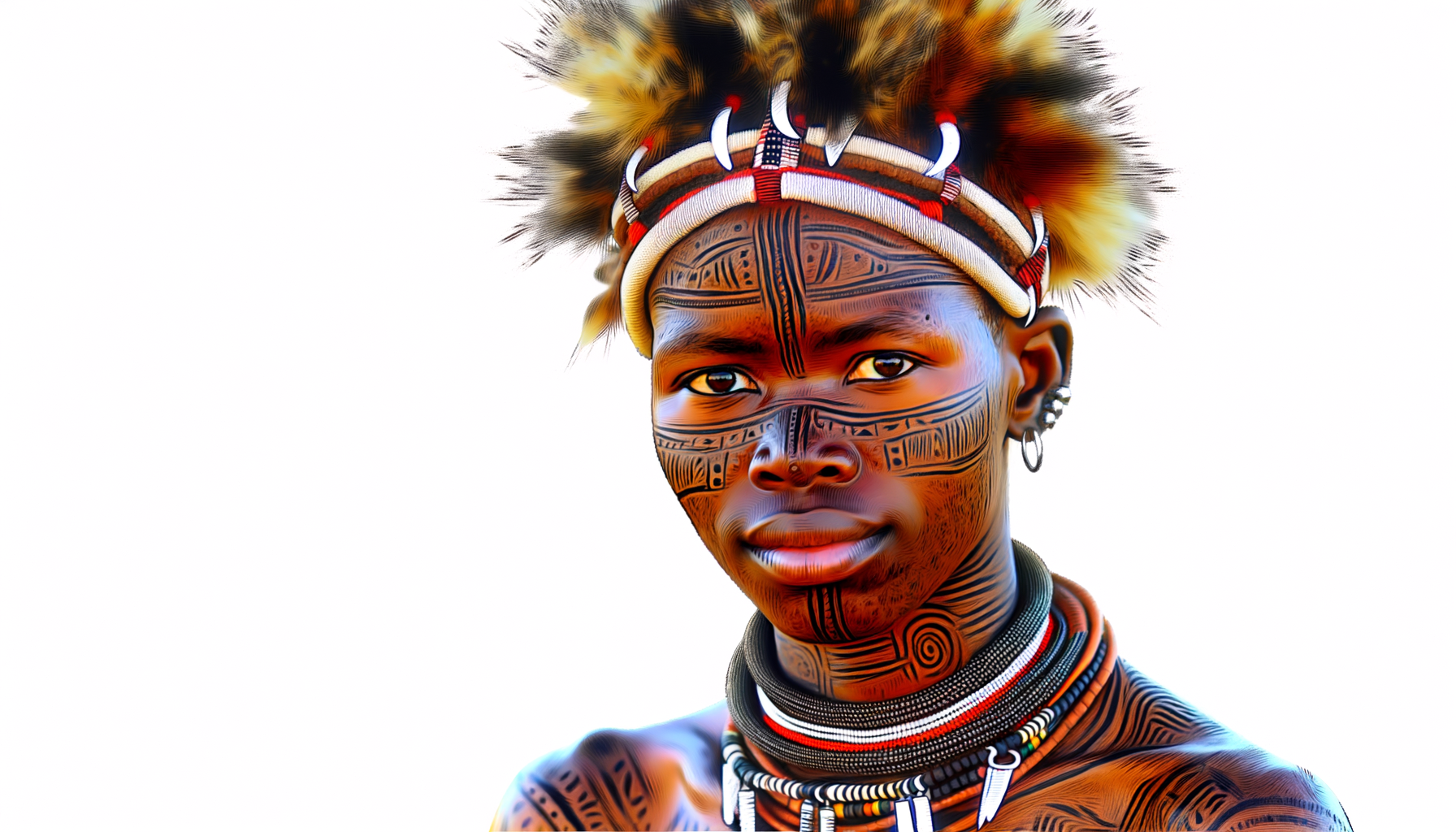
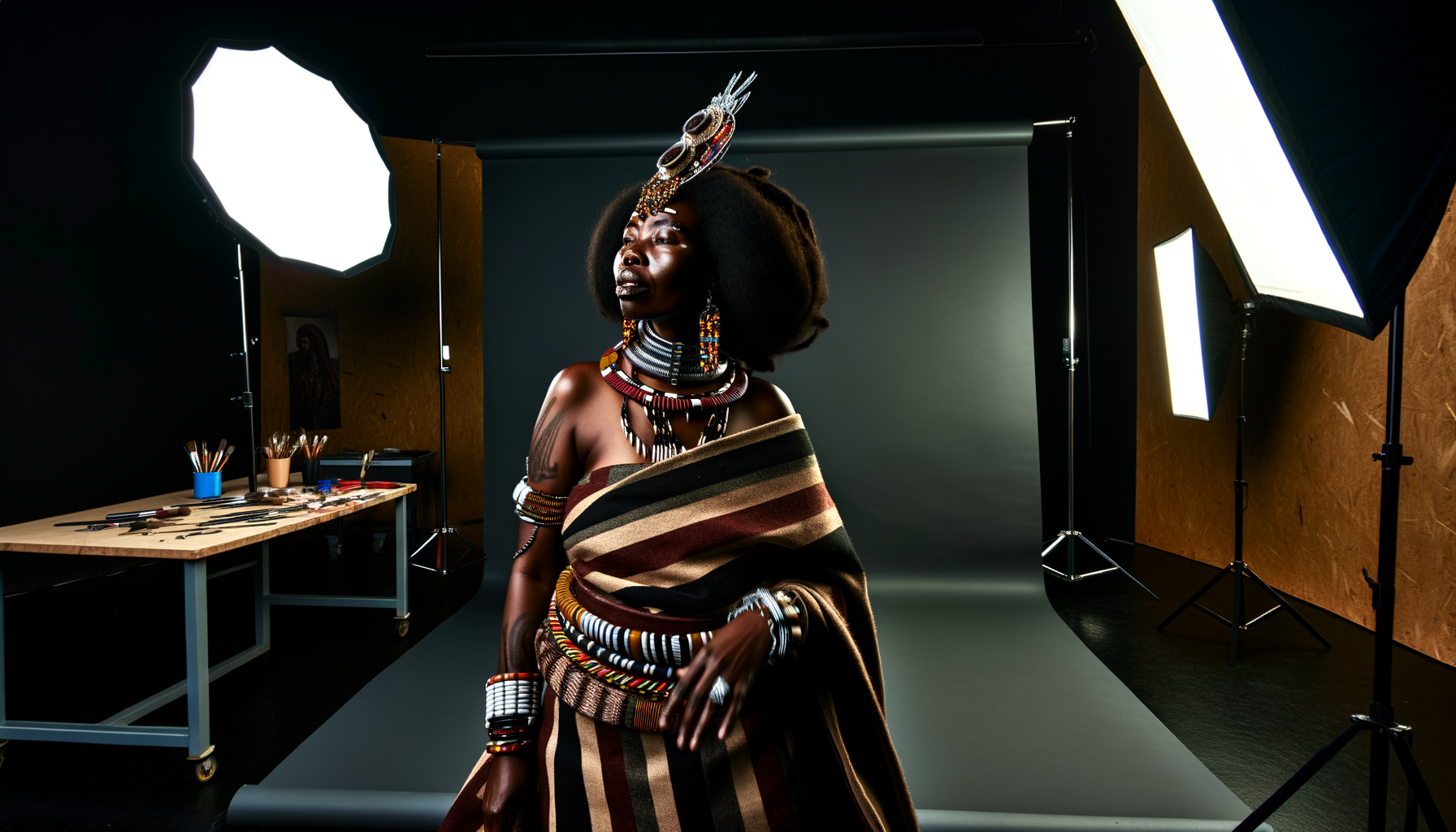
In their ongoing series, “Somnyama Ngonyama” (Hail the Dark Lioness), Muholi invites viewers to witness a powerful exploration of identity through self-portraiture. Each frame tells a story, often reflecting personal experiences of discrimination, violence, and resilience. But it’s not only about struggle; it’s also a celebration of life and culture. For this collection, Muholi often utilizes props or costumes inspired by traditional African garments, weaving in aspects of tribal identity that are often overlooked by mainstream media.
The Power of Representation in Art
What does it mean to truly see someone? For Muholi, the answer lies in representation. They’ve become a voice for countless individuals who grapple with their identities in a society that may not always affirm them. Their photographs provoke powerful discussions surrounding visibility and acceptance, sending a message that tribal identity is not only about history and culture, but also about personal narratives and individuality.
In conversations about identity, it’s essential to understand the context of contemporary art in Africa. Take, for instance, the insights shared in books like The Land Carries Our Ancestors: Contemporary Art by Native Americans, which illuminate how identity influences artistic expression across various cultures. Muholi’s work reverberates similarly; it exemplifies how personal identity shapes art, while also attempting to rewrite the script of what it means to have a tribal heritage in today’s world.
“Art has the power to tell stories that society often overlooks. Zanele’s work is a celebration and reclamation of identities that demand to be recognized.”
Transforming Perspectives Through Narrative
Every portrait created by Muholi is intentionally layered with meaning. They utilize the medium not merely to capture a likeness but to craft a rich narrative that invites the audience to step into the subjects’ worlds. Through their lens, we meet individuals with multifaceted stories, experiences that blend both pain and joy, and lives navigated in a landscape of significant social challenges.
For instance, viewing Muholi’s photographs is akin to reading a profound book. Each sitters’ glance, posture, and attire communicate so much more than what meets the eye. Just like in Paul Gauguin: A Journey to Tahiti, where the context of the artist’s journey and the stories embedded in the work reveal deeper truths, Muholi’s portraits invite viewers to appreciate the serious yet celebratory interplay of culture and identity.
The Art of Resistance
As you engage with the transformative art of Zanele Muholi, consider how this could be a stance of resistance. Each captured moment can be seen as defiant, a refusal to succumb to societal norms that often dictate what identity should look like. This aligns with the broader dialogue of art as resistance—echoed in works from diverse artists featured in Primitivism in Modern Art. This mixture of historical and contemporary contexts serves to highlight just how significant it is to grapple with questions of race, gender, and culture through art.
The portraits suggest an ongoing narrative about belonging and alienation, all while fostering a sense of community among those who see themselves reflected in Muholi’s work. It’s a reminder that art can be a powerful tool for advocacy—one that not only illustrates lives lived but shapes perceptions and inspires action.
Why This Matters
As you explore the world of Zanele Muholi and the powerful messages behind their portrait photography, consider how you might incorporate the essence of tribal identity into your own life and art. Whether it’s embracing heritage, advocating for visibility, or simply sharing stories through photography or other mediums, you have the ability to make your voice heard. Muholi’s journey illustrates that art doesn’t just reflect society; it can redefine it. Dive deeper into the realms of identity and expression and see how it resonates with your own experiences. Together, we can celebrate the rich tapestries of our diverse identities.
Affiliate links on this website may generate a small commission at no extra cost to you. This support helps sustain a project dedicated to the beauty and cultural understanding of tribal art.