Ochre Tones: A Nod to Indigenous Architecture
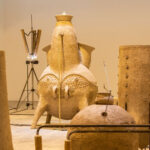
In the vibrant landscape of indigenous art, the use of color often transcends mere aesthetics, weaving a narrative rich in cultural significance. Gabriel Chaile’s sculptures, awash in warm ochre tones, are a brilliant example of how traditional adobe construction methods still practiced in the Argentine Andes inform not only architectural forms but also ceramic artistry. This unexpected marriage of techniques creates an intriguing dialogue between the earth beneath our feet and the art that rises from it.
Echoes of the Earth: Color as Cultural Reflection
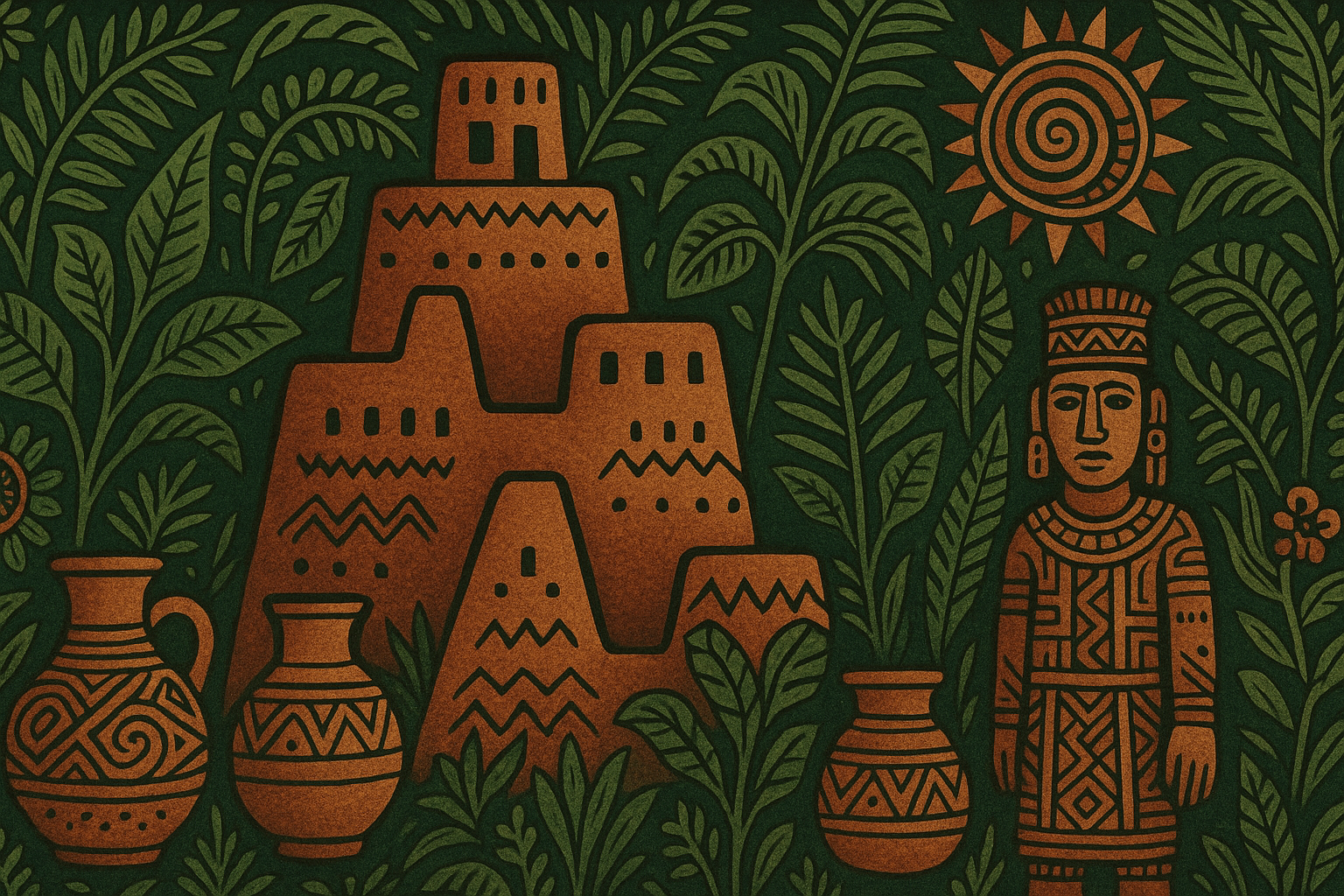
Chaile’s choice of ochre is not arbitrary; it is deeply rooted in the materials of the Andes. The warm tones mimic the adobe bricks which have long been used in local construction, serving as a testament to the region’s architectural heritage. This deliberate choice of color connects his sculptures to the landscapes of his culture, invoking a sense of place that resonates with viewers. The ochre hues reflect the sun-baked earth, reminding us that the very soil is imbued with stories and traditions that have persisted through generations.
Furthermore, this choice enhances the visual appeal of his work, allowing the sculptures to serve as a bridge between past and present. Each piece embodies the aesthetic qualities of indigenous architecture while simultaneously challenging conventional perceptions of ceramic art. By integrating these elements, Chaile redefines the boundaries of both mediums, inviting a broader contemplation of cultural identity.
The interplay between color and construction in Chaile’s work reveals how deeply intertwined indigenous heritage is with the physical landscape — a connection often overlooked in contemporary art narratives.
The Broader Implications of Artistic Choices
This connection between color palettes in ceramics and architectural forms highlights a multifaceted relationship within indigenous cultural expressions. It prompts us to consider how these traditions continue to influence modern artistic practices. By exploring the links between materials, color, and cultural identity, artists like Chaile challenge viewers to engage with a deeper understanding of what it means to create art that honors heritage while innovating for the future. In doing so, they are not merely producing objects; they are crafting a narrative that speaks to the resilience and evolution of their communities.
Want to explore this further? Read our full article: How Gabriel Chaile Transforms Argentine Indigenous Heritage into Monumental Clay Sculptures
Why This Matters
Understanding the intersection of traditional adobe construction and ceramic art enriches our appreciation for indigenous cultures. It emphasizes the importance of recognizing the diverse expressions of heritage that continue to shape modern artistic narratives, ensuring that these stories are not lost but celebrated and preserved.