Shipibo-Conibo Art: The Living Geometry of the Amazon
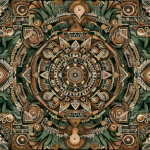
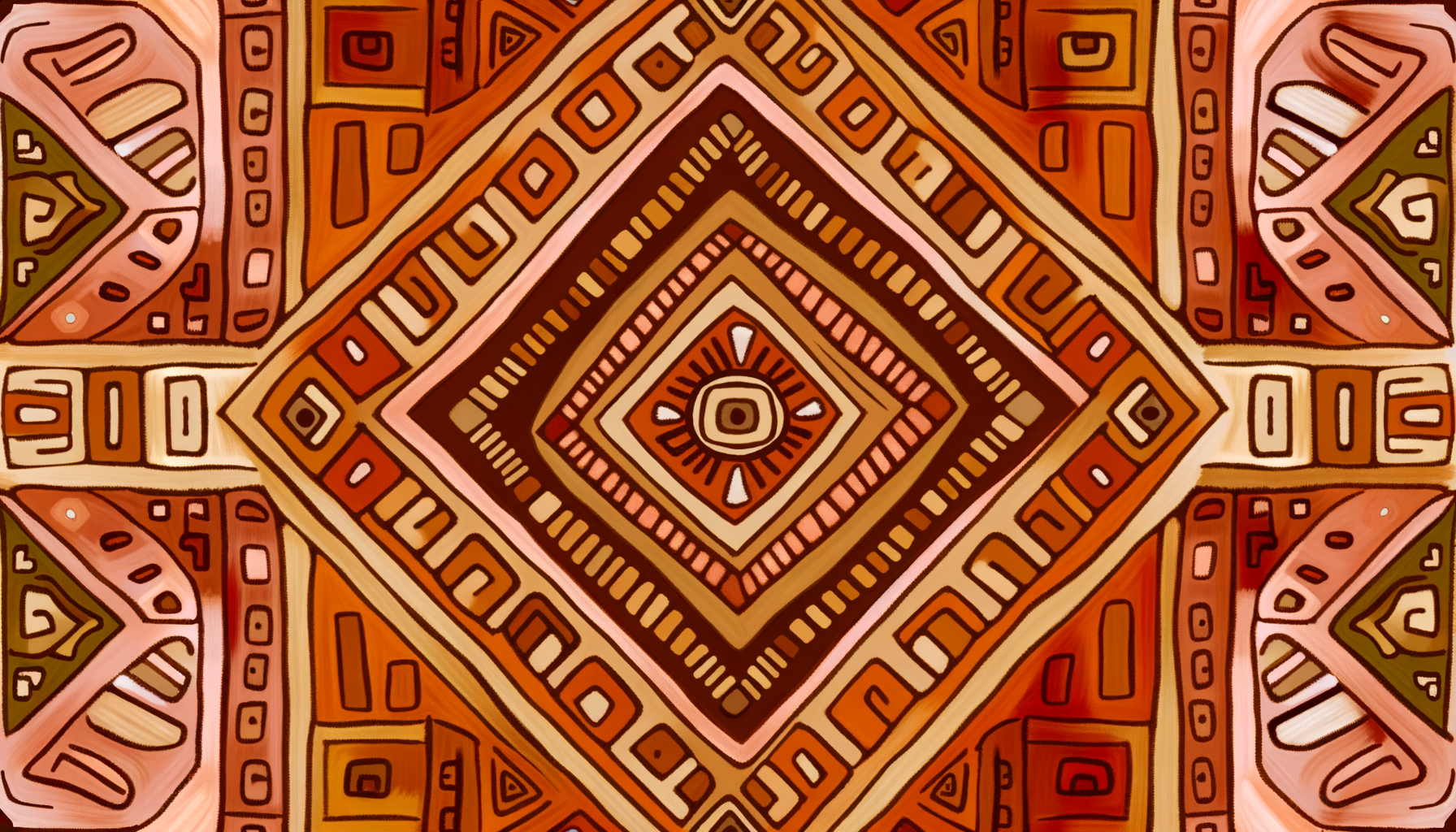
Imagine standing in the heart of the Amazon rainforest, surrounded by lush greenery and the soothing sounds of nature. You come across the Shipibo-Conibo people, a vibrant community renowned for their remarkable art, steeped in tradition and spirituality. Shipibo-Conibo art from the Peru Amazon is not merely decorative; it is a visual language, a profound expression of their beliefs, and a fascinating blend of culture and nature formed through intricate geometric patterns.
These patterns, with their roots in centuries of history, convey stories and philosophies, connecting the Shipibo-Conibo people to their ancestors and the spirit world. In this article, we will delve deeper into the stunning Shipibo-Conibo art and explore how these geometric patterns form the essence of their vibrant identity. Briefly, you’ll see how these exquisite artworks offer more than just aesthetic beauty—they resonate with ecological consciousness, community, and connection.
The Power of Geometric Patterns
Geometric patterns in Shipibo-Conibo art are not just playful designs; they’re the embodiments of a complex worldview. Each shape and motif is laden with meaning, reflecting natural elements, shamanic visions, and harmonious relationships with the environment. For instance, the spirals might represent water, flowing seamlessly like the rivers that nourish their land, while parallel lines could indicate pathways of thought or memory—an invitation to explore the internal landscapes of the mind and spirit.
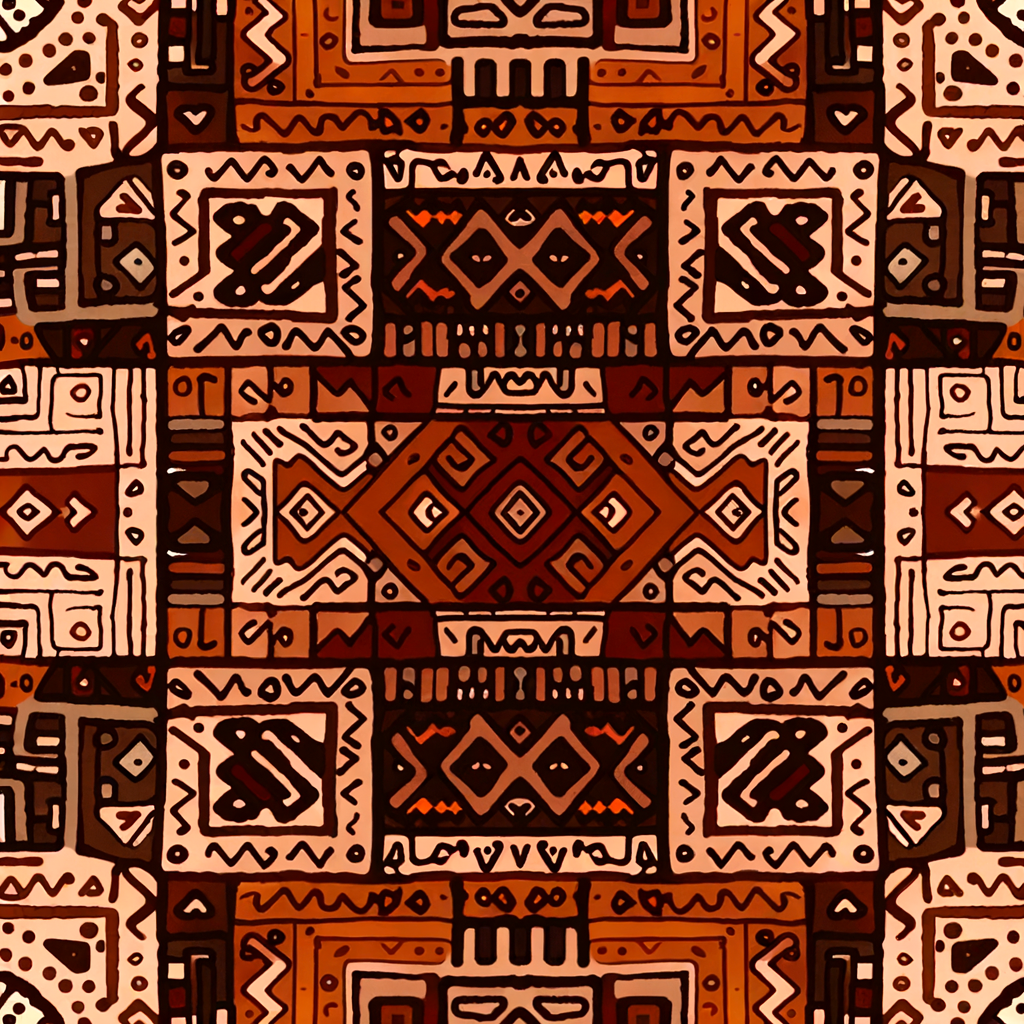
Interestingly, the intricate geometric patterns of Shipibo-Conibo art echo similar principles found in other cultures around the world. If you’re fascinated by exploring these connections, consider checking out a fascinating book on African art and patterns, where you’ll uncover how cultures utilize geometric forms to convey identity and significance. It’s amazing to see how varied expressions of art can stem from an underlying appreciation of similar concepts.
Art as a Reflection of Community
The Shipibo-Conibo people have a rich heritage, and their art is intricately tied to their communal practices. Artisans, often female, play a crucial role in crafting the stunning textiles, pottery, and paintings that adorn their homes. Each piece is a collaboration of tradition, skill, and family legacy. The designs they create are influenced by the natural world, shamanic experiences, and even the spiritual visions encountered during ayahuasca ceremonies, where vibrant imagery courses through the mind.
This connection to community and shared identity makes their art a tangible representation of the Shipibo-Conibo’s holistic worldview. When you admire a piece of Shipibo-Conibo art, you’re not just appreciating pigments on a canvas; you’re engaging with the heartbeat of a culture that emphasizes spirituality, nature, and togetherness.
“Art is the bridge between our ephemeral dreams and the profound truths of existence.”
From Tradition to Contemporary Canvas
The beauty of Shipibo-Conibo art is its evolution. While deeply rooted in tradition, contemporary artists are now interpreting geometric patterns in innovative ways. This transformation allows the art to transcend geographical and cultural barriers, inviting a global audience to appreciate the beauty and meaning behind each design. Art fairs and galleries worldwide have begun showcasing these works, sparking interest and appreciation for the Shipibo-Conibo heritage.
If you’d like to try your hand at creating your own art inspired by tribal traditions, I recommend the Tribal Patterns Adult Coloring Book. It’s a wonderful way to engage with the intricacies of patterns while finding your own creative voice. Who knows, you might channel some Shipibo magic in your designs!
Exploring the Shipibo-Conibo World
If you’re excitingly curious about experiencing Shipibo-Conibo art firsthand, a visit to their communities in the Amazon is an exceptional way to truly appreciate their culture. Imagine walking through a village, surrounded by artisans skillfully weaving textiles and creating breath-taking pottery, all adorned with those stunning geometric patterns. You may even have the opportunity to participate in workshops where you can learn about their artistic techniques and spiritual significance, deepening your understanding of this fascinating cultural tapestry.
Beyond the Surface: The Significance of Shipibo-Conibo Art
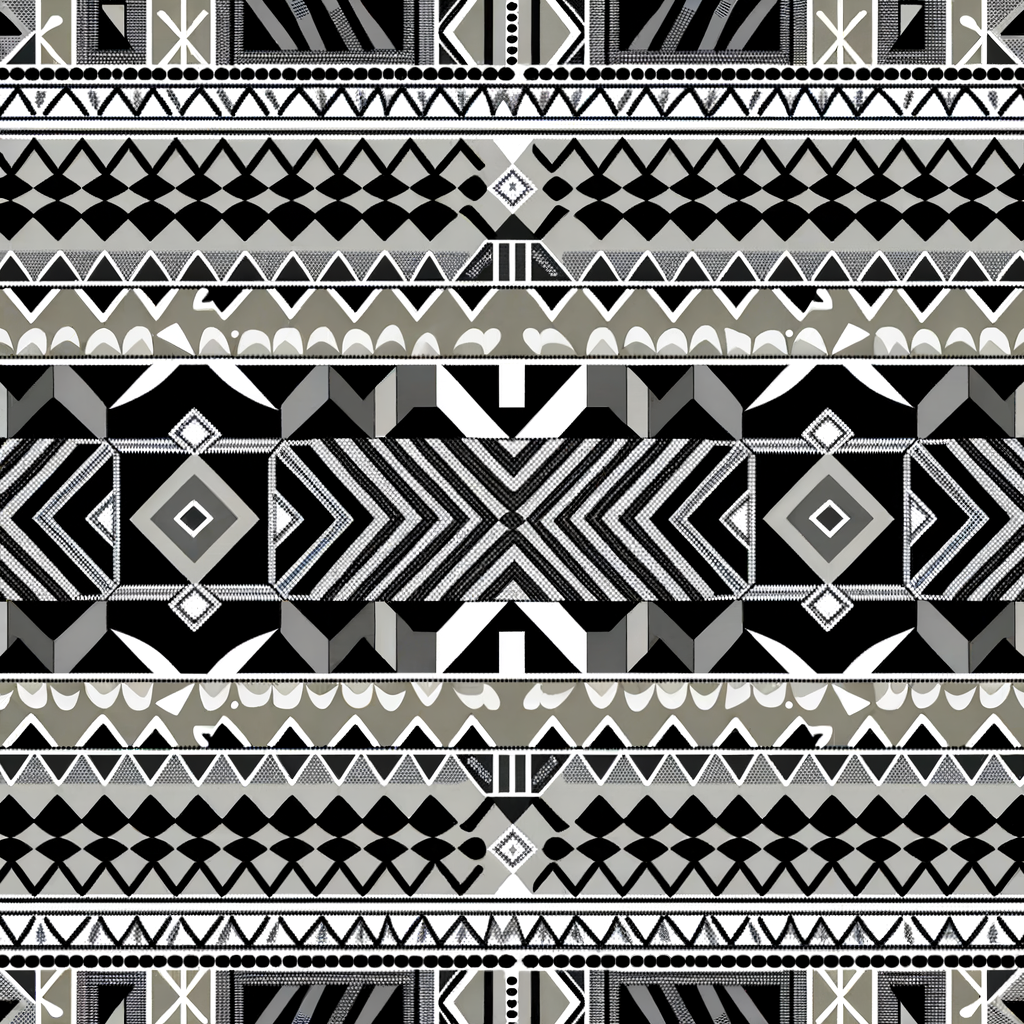
While Shipibo-Conibo art captures our attention with its vibrant colors and enigmatic patterns, its significance extends beyond mere aesthetics. This art serves as a vital link to their spirituality, social structure, and the way they interact with their environment. The geometric patterns pregnant with meaning encourage us to reflect on our own beliefs, our relationship with nature, and the community bonds we cherish.
Art has a unique way of uniting people from diverse backgrounds and experiences, allowing us to share in the beauty of human expression. As the Shipibo-Conibo art continues to inspire artists and art lovers around the world, it holds the potential to foster greater understanding between cultures, creating a richer tapestry of human experience.
Why This Matters
As you reflect on the wonders of Shipibo-Conibo art and its intricate geometric patterns, consider how this art form resonates with your own experiences. Whether it’s capturing the beauty of life in your surroundings, connecting with your community, or exploring your creative side, these patterns invite you to delve deeper into the essence of your own artistry. Explore, learn, and engage with this enchanting culture and, who knows, you may find a piece of Shipibo wisdom or inspiration to take home with you.
Ready to dive deeper into the world of tribal art? Feel free to explore some of our recommended books, like the Tribal Art History Book, which showcases the breadth of tribal art and its impact across cultures. Your journey into this rich tapestry of expression is just beginning!
Affiliate links on this website may generate a small commission at no extra cost to you. This support helps sustain a project dedicated to the beauty and cultural understanding of tribal art.