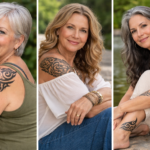

Tattooing for Sensitive Skin: Tribal Designs That Work
Have you ever thought about getting a tattoo but hesitated because of your sensitive skin? You’re not alone! Many people dream of adorning their bodies with beautiful ink but are unsure how it will affect their skin, especially when it comes to intricate tribal designs. What if I told you that there are ways to successfully integrate tribal tattoos into your life, even with sensitive skin? Let’s dive into the vibrant world of tribal tattoos and how to care for your sensitive skin while rocking stunning ink!
Understanding Sensitive Skin and Tattooing
Before we jump into the beauty of tribal tattoos, it’s essential to understand what sensitive skin means. Sensitive skin can react more severely than regular skin when subjected to various factors like chemicals, environmental stressors, and even the tattooing process itself. If you have sensitive skin, you might notice increased redness, swelling, or irritation, making the process a bit tricky.
However, don’t let that deter you! Knowing how to choose the right designs and aftercare can make all the difference. When it comes to tribal tattoos, the choice of ink and the technique used can significantly impact your overall experience. For example, using high-quality professional tattoo ink, like this Professional Tribal Tattoo Ink Set, ensures that your skin is less likely to react because it’s designed with sensitive skin in mind.
Choosing the Right Tribal Designs
Now, let’s talk about tribal designs that are particularly suitable for sensitive skin. When it comes to tribal art, you have a plethora of options. For sensitive skin, opting for simpler, bold designs can often help minimize irritation. Think about designs with thick lines and less intricate details. For example, Maori tattoos typically feature bold lines and less delicate patterns, which can be a great option.

Another great idea is to consider the size of the tattoo. Smaller designs can often be less taxing on your skin as well. Instead of a massive back piece, think about a small tribal pattern on your wrist or ankle—these areas can be less prone to irritation than larger skin surfaces.
The Tattooing Process: Sensitivity Matters
When getting a tattoo, the technique used by the artist plays a significant role in how your skin will respond. Look for artists experienced in working with sensitive skin, and don’t hesitate to communicate your concerns. They will know how to adjust their technique, such as using gentler strokes or varying the machine’s speed to minimize discomfort.
If you’re considering doing it yourself, using a quality Professional Tattoo Machine Kit can make the process more comfortable and precise. The right tools can also help in reducing the age-old impact of fine needlework that often leads to skin irritation.
“The magic of tattooing for sensitive skin lies in artful choices—designs, techniques, and aftercare that harmonize with your body.”
Caring for Your Tribal Tattoo After It’s Done
The aftercare for a tribal tattoo on sensitive skin is just as important as the tattooing process itself. Once your tattoo is finished, it’s crucial to follow a gentle regimen that helps your skin heal without irritation. Start by following your tattoo artist’s specific aftercare instructions, but here are a few universally beneficial tips.
First and foremost, keep your tattoo clean but not overly cleansed; use a mild, fragrance-free soap. After cleaning, pat it dry—not rub it! Rubbing can cause further irritation on sensitive skin. Afterward, applying a soothing lotion or tattoo aftercare product specifically formulated for sensitive skin is vital. Look for products that contain natural ingredients to minimize the risk of reactions.
It’s also wise to avoid sun exposure on a fresh tattoo, as UV rays can irritate your sensitive skin further. If you need to be out in the sun, make sure to use a broad-spectrum sunscreen once your tattoo is healed. This will protect both your new ink and your skin.
The Importance of Quality Tattoo Supplies
Using high-quality tattoo supplies is essential, especially for sensitive skin. Quality inks and needles can reduce adverse reactions significantly. For instance, investing in Professional Tattoo Needle Cartridges ensures you have sterile and safe instruments that help prevent complications.
Additionally, remember that tattoo artistry is ever-evolving. Many brands are now producing hypoallergenic inks that are specifically designed for those with sensitive skin. So, don’t shy away from asking your tattoo artist about these options; they might be aware of some great products that align well with your needs.
Finding the Right Tattoo Artist
Choosing an artist who understands and has experience with sensitive skin will enhance your tattoo journey. Inquire about their experience with tribal designs, and don’t hesitate to ask questions about how they approach tattooing sensitive skin. Always check their portfolios for similar designs to ensure their style resonates with what you desire.
And don’t forget: comfort is key! Ensure you feel comfortable with the artist because this will help you relax during the tattooing process, further alleviating any potential sensitivity issues.
Final Thoughts
Perusing tribal tattoos while navigating sensitive skin can seem daunting, but it doesn’t have to be. By choosing bold, simplified designs, collaborating with knowledgeable artists, and practicing diligent aftercare, you can proudly wear your tattoo without fear of irritation. Remember, the beauty of tribal tattoos lies not just in their aesthetic but in the stories and cultures they represent.
If you’re ready to embark on your tattoo journey, consider investing in high-quality tools and inks that respect your sensitive skin. Explore the stunning world of tribal art, and let your body become a canvas of rich cultural heritage.
Affiliate links on this website may generate a small commission at no extra cost to you. This support helps sustain a project dedicated to the beauty and cultural understanding of tribal art.