Arte corporal yanomami: tradiciones tribales de la selva amazónica.
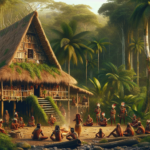
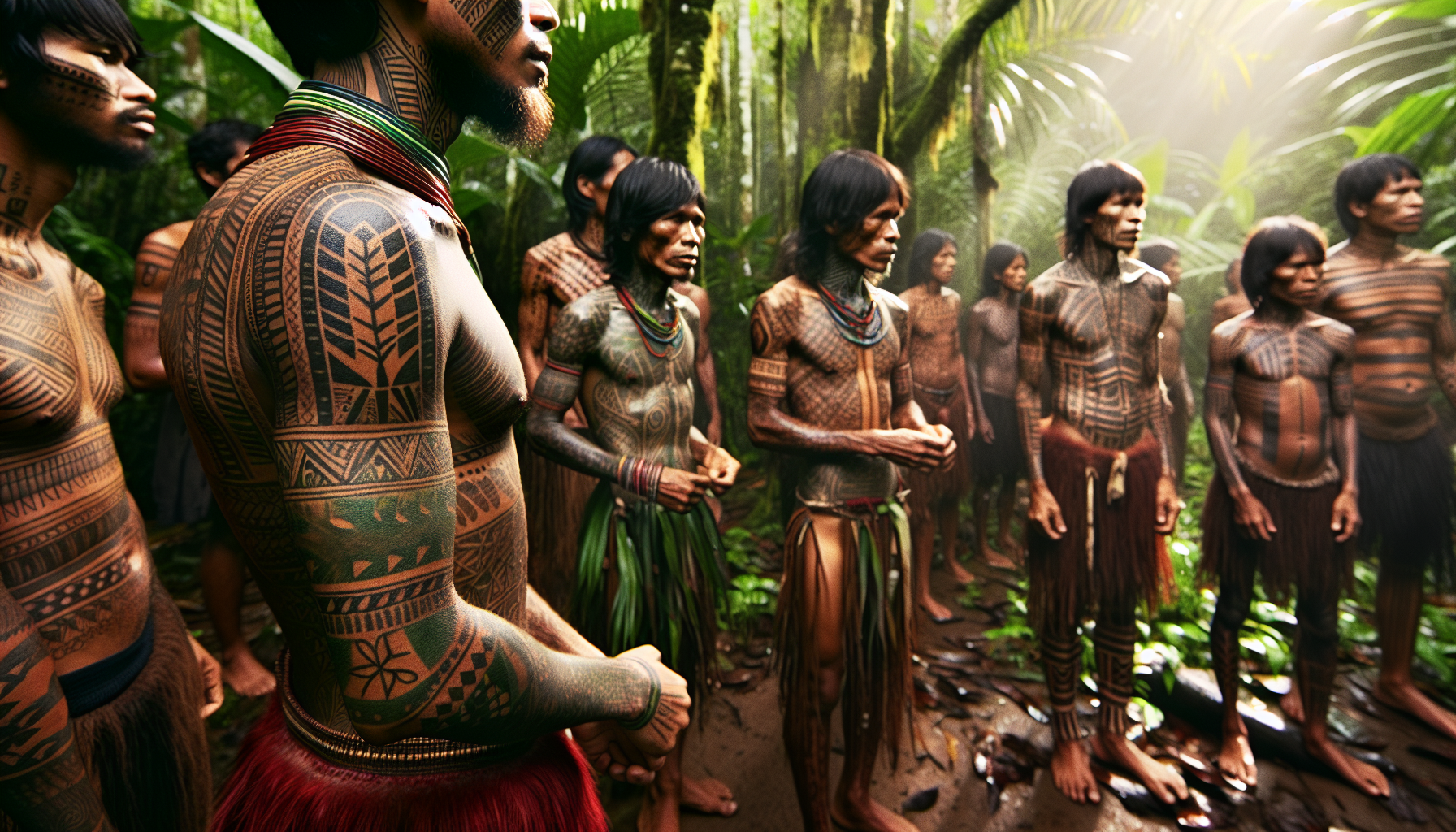
Al pensar en la selva amazónica, es probable que nos vengan a la mente imágenes vibrantes de exuberante vegetación y la sinfonía de la vida silvestre. Pero si profundizamos, descubriremos un mundo rico en cultura, tradición y arte, especialmente el cautivador arte corporal yanomami. Para el pueblo yanomami, que habita las densas selvas de Brasil y Venezuela, el arte corporal no es solo una forma de autoexpresión; es un profundo testimonio de su identidad, creencias y conexión con el mundo natural. Entonces, ¿qué hace que el arte corporal yanomami sea tan extraordinario? Exploremos juntos esta fascinante tradición.
El significado más profundo detrás del arte corporal
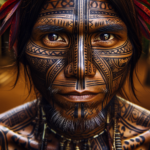
En el corazón mismo del arte corporal yanomami reside un profundo significado cultural. Para los yanomami, los tatuajes y la pintura corporal cumplen múltiples funciones, desde conmemorar acontecimientos importantes de la vida hasta demostrar valentía en la batalla o simbolizar creencias espirituales. Los intrincados diseños a menudo narran una historia o transmiten el linaje de la persona, conectándola con sus ancestros y el mundo espiritual. Aquí es donde el arte trasciende la estética; se convierte en un lenguaje a través del cual se expresan la identidad y la herencia.
Por ejemplo, algunos diseños representan animales o elementos naturales venerados por los yanomami. Estos no solo sirven como representación visual, sino también como recordatorio de su conexión con el medio ambiente, reforzando la idea de que la humanidad y la naturaleza están intrínsecamente ligadas. Los diseños suelen estar enriquecidos con un profundo simbolismo. Una mariposa puede simbolizar la transformación, mientras que un jaguar puede representar la fuerza y la agilidad, cualidades muy valoradas en su estilo de vida comunitario.
“En el mundo de los Yanomami, el arte corporal es un lienzo vivo donde se plasman vívidamente historias de fuerza, espiritualidad e identidad.”
Las técnicas y los materiales utilizados
Los yanomami utilizan pigmentos naturales derivados de plantas, minerales y carbón vegetal para crear su arte corporal. Este enfoque no solo refleja su estrecha relación con la selva tropical, sino que también representa una forma de vida sostenible. Por ejemplo, el intenso tono rojo que a menudo se observa en sus tatuajes proviene de las vibrantes semillas de plantas que se encuentran en su entorno. Al utilizar estos materiales orgánicos, pueden crear intrincados diseños que armonizan con los colores de la naturaleza.
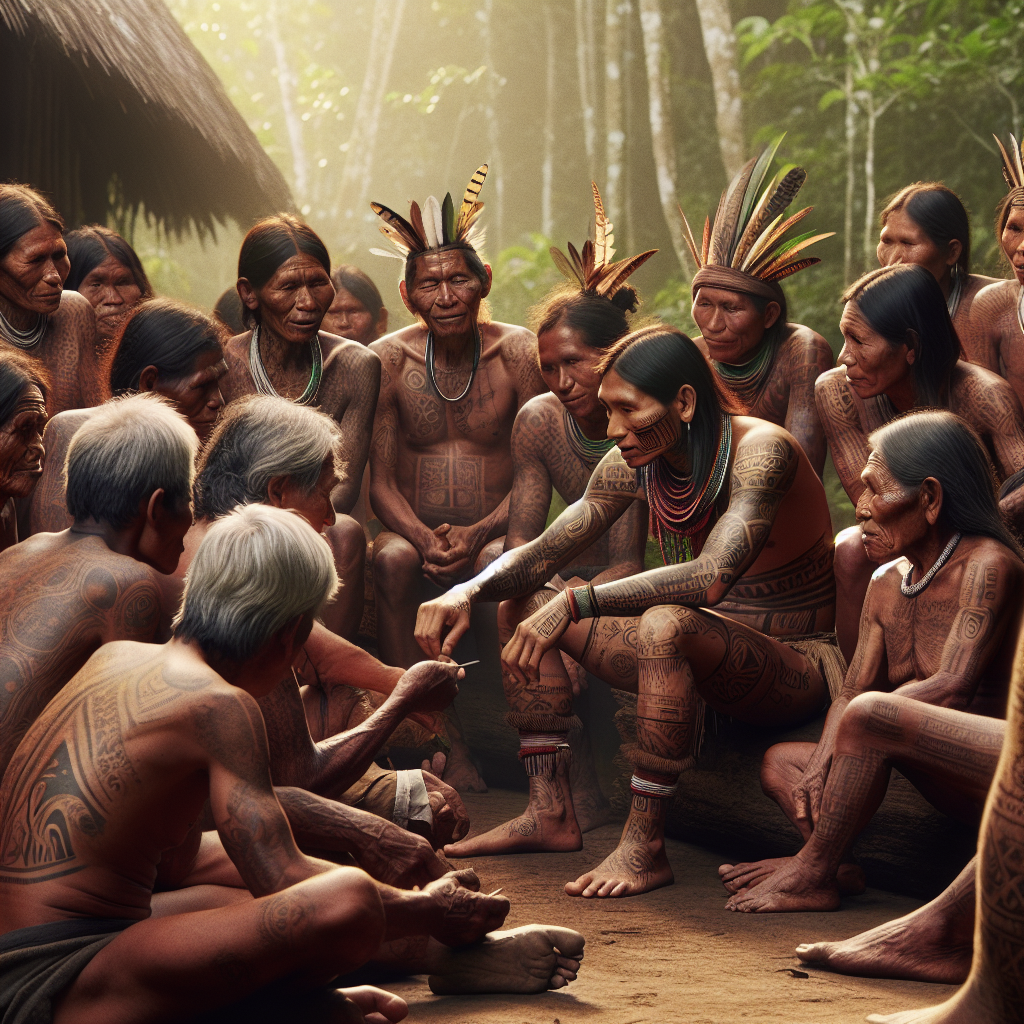
La aplicación de estos diseños puede ser una actividad comunitaria, a menudo realizada durante rituales o reuniones, donde se comparten historias y se transmiten enseñanzas de generación en generación. De esta manera, el proceso de creación del arte corporal yanomami no se limita al resultado final; se convierte en una experiencia compartida que fomenta la unidad y fortalece los lazos comunitarios.
Rituales y ceremonias
Para apreciar verdaderamente el arte corporal yanomami, es necesario comprender los rituales y ceremonias que lo acompañan. Muchos tatuajes y pinturas corporales se aplican durante ritos de iniciación, como la mayoría de edad o tras acontecimientos importantes como la caza o la guerra. Para los yanomami, estos momentos se convierten en hitos que marcan el paso del tiempo, reflejando la evolución de su identidad dentro de la comunidad.
Durante estas ceremonias, también podrá presenciar a bailarines ataviados con trajes tradicionales, moviéndose rítmicamente al compás de los tambores, mientras el bosque cobra vida con color y sonido. Estas reuniones no solo celebran hitos individuales, sino que también refuerzan el espíritu comunitario y los valores compartidos. Ser testigo directo de estas tradiciones le permitirá conectar más profundamente con el modo de vida de los Yanomami y comprender qué es lo que realmente honra a sus ancestros.
“Cada pincelada, cada línea grabada en la piel, susurra historias jamás contadas de ancestros y guías espirituales en el lenguaje de los colores.”
El impacto de las influencias modernas
A pesar de las ricas tradiciones de los yanomami, la invasión de la sociedad moderna amenaza su forma de vida. Influencias externas, como la deforestación y la minería, no solo alteran su entorno, sino que también ponen en peligro sus prácticas culturales, incluido el arte corporal yanomami. A medida que las nuevas generaciones adoptan la modernidad, existe el riesgo de que estas antiguas tradiciones se desvanezcan gradualmente.
Sin embargo, algunos artistas están a la altura de las circunstancias, combinando diseños tradicionales con estilos modernos. Esta fusión ha atraído a un público más amplio, curioso por el significado cultural del arte corporal yanomami. Incluso puedes encontrar libros bellamente ilustrados sobre tatuajes tribales, como este. Libro de diseños de tatuajes tribales, que pueden inspirarte a apreciar el arte intrincado y los significados que encierran estas coloridas expresiones. Adoptar esta fusión podría ser la clave para mantener vivas las artes tradicionales adaptándolas a los contextos contemporáneos.
Explorando el arte tribal amazónico más allá de los Yanomami
El arte corporal yanomami es solo una muestra del vasto tapiz del arte tribal amazónico. Otras tribus de la selva, como los kayapó y los ticuna, también expresan su identidad a través de un rico arte corporal, cada una con estilos y narrativas culturales únicas. Explorar estas diferentes perspectivas puede brindar una comprensión más amplia de cómo diversas tribus utilizan el arte corporal para expresar su relación con el medio ambiente y sus creencias.
Si te cautivan los diseños tribales, considera explorar estilos de otras culturas, como el arte del tatuaje polinesio o maorí. Libros como el Libro de diseños de tatuajes polinesios y el Libro de arte del tatuaje maorí Ofrece bellas imágenes y perspectivas sobre el papel que desempeña el arte corporal en diferentes tribus. Cada obra de arte que encuentres se convierte en un puente que te conecta con historias e interpretaciones únicas de la vida.
Conectando con el arte yanomami en tus viajes
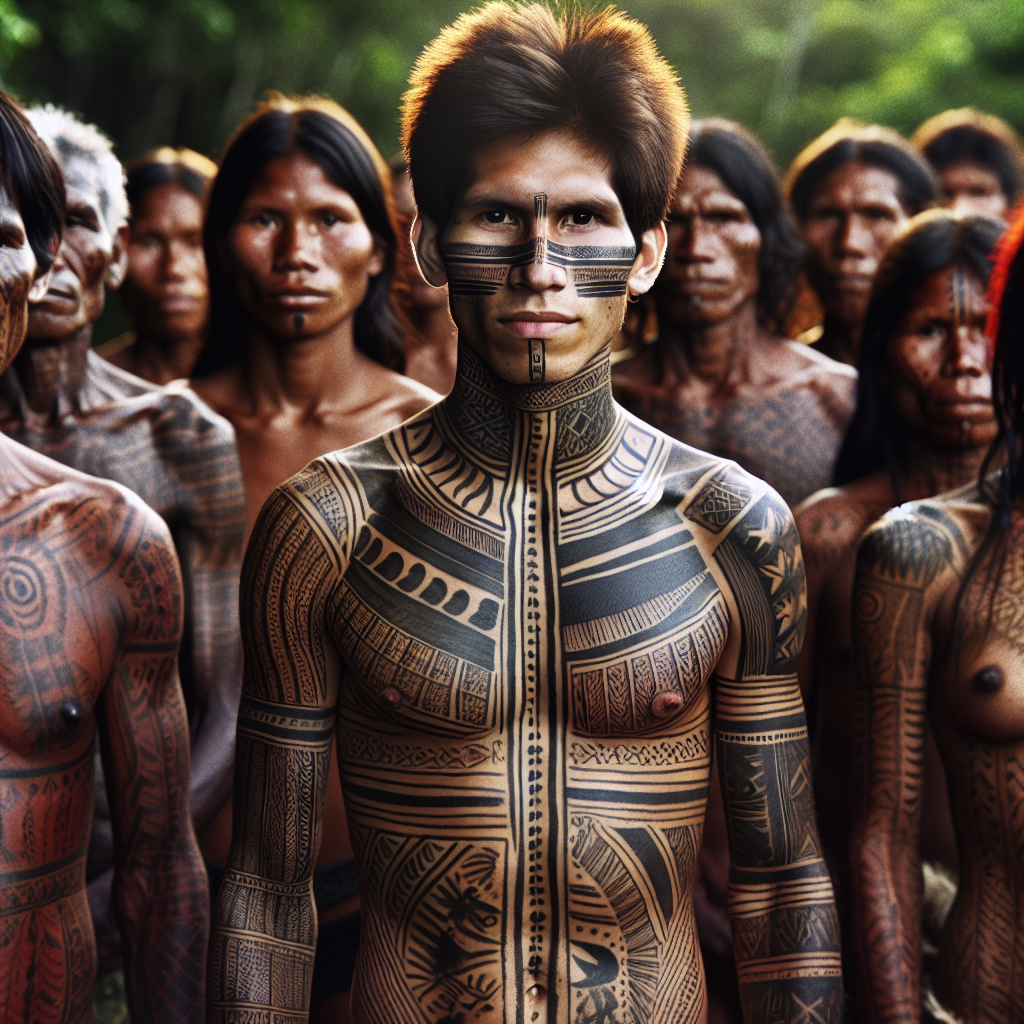
Si alguna vez te encuentras en el Amazonas, sumergirte en el mundo de los Yanomami puede ser una experiencia transformadora. Diversas iniciativas de ecoturismo permiten a los viajeros visitar comunidades Yanomami, donde pueden aprender sobre sus tradiciones e incluso presenciar de primera mano el arte de la pintura corporal. Imagina estar entre imponentes árboles mientras los artesanos comparten sus técnicas, pintando su piel con historias de su pasado: es una experiencia que puede despertar una conexión más profunda con las culturas tribales.
Sin embargo, es fundamental abordar estas experiencias con respeto y apertura. Conectar con la cultura yanomami implica honrar sus prácticas y tradiciones, contribuyendo positivamente a su forma de vida y apoyando iniciativas comunitarias. Podrás encontrar oportunidades para adquirir obras de arte éticas, conectar con artesanos locales o aprender más sobre los esfuerzos de conservación. Apoyar estas iniciativas puede ser clave para preservar su patrimonio cultural y enriquecer tu viaje.
Por qué esto importa
Comprender el arte corporal yanomami no se trata solo de apreciar la belleza de los tatuajes tribales; se trata de reconocer las historias que cuentan, las culturas que representan y los desafíos que enfrentan en un mundo en constante cambio. Al celebrar estas vibrantes expresiones artísticas, también tenemos la oportunidad de apoyar la preservación de las tradiciones y culturas tribales. Al interactuar con estas comunidades y respetar sus prácticas, contribuimos al rico entramado de expresiones humanas que nos une a todos.
Si te fascina el mundo del arte y la cultura tribal, te invitamos a explorar más recursos y experiencias en tiempo real. Visítanos en ArteTribal.com y descubre la belleza del arte tribal alrededor del mundo, o sumérgete en nuestros libros recomendados para profundizar tus conocimientos. Juntos, celebremos las historias que forman parte de la historia de la humanidad a través del arte.
Los enlaces de afiliados en este sitio web pueden generar una pequeña comisión sin costo adicional para usted. Este apoyo contribuye a mantener un proyecto dedicado a la belleza y la comprensión cultural del arte tribal.