Haida Tribal Art: The Visual Language of the Pacific Northwest
When you think of majestic landscapes, rich traditions, and stunning artistry, the Pacific Northwest comes to mind. Among the Indigenous cultures that inhabit this breathtaking region, the Haida people stand out, incredibly known for their unique and intricate tribal art. Imagine walking through a forest surrounded by towering totem poles, their vivid colors and intricate designs telling stories of ancestry and nature. Haida art, especially their totem poles, is more than just decoration; it’s a deep expression of cultural identity, history, and spirituality. So grab a cup of tea, and let’s explore the fascinating world of Haida tribal art together.
The Heart of Haida Art
At its core, Haida art is a vibrant visual language filled with symbolism and meaning. The designs often feature animals, mythical creatures, and legendary figures that weave the fabric of Haida folklore. Each piece serves as a storytelling medium, connecting the past with the present. One of the most iconic representations of Haida art is the totem pole, a monumental sculpture that can stand several feet tall, showcasing various totemic figures stacked one on top of the other. These poles often represent genealogies, cultural narratives, and the spiritual beliefs of the Haida people.
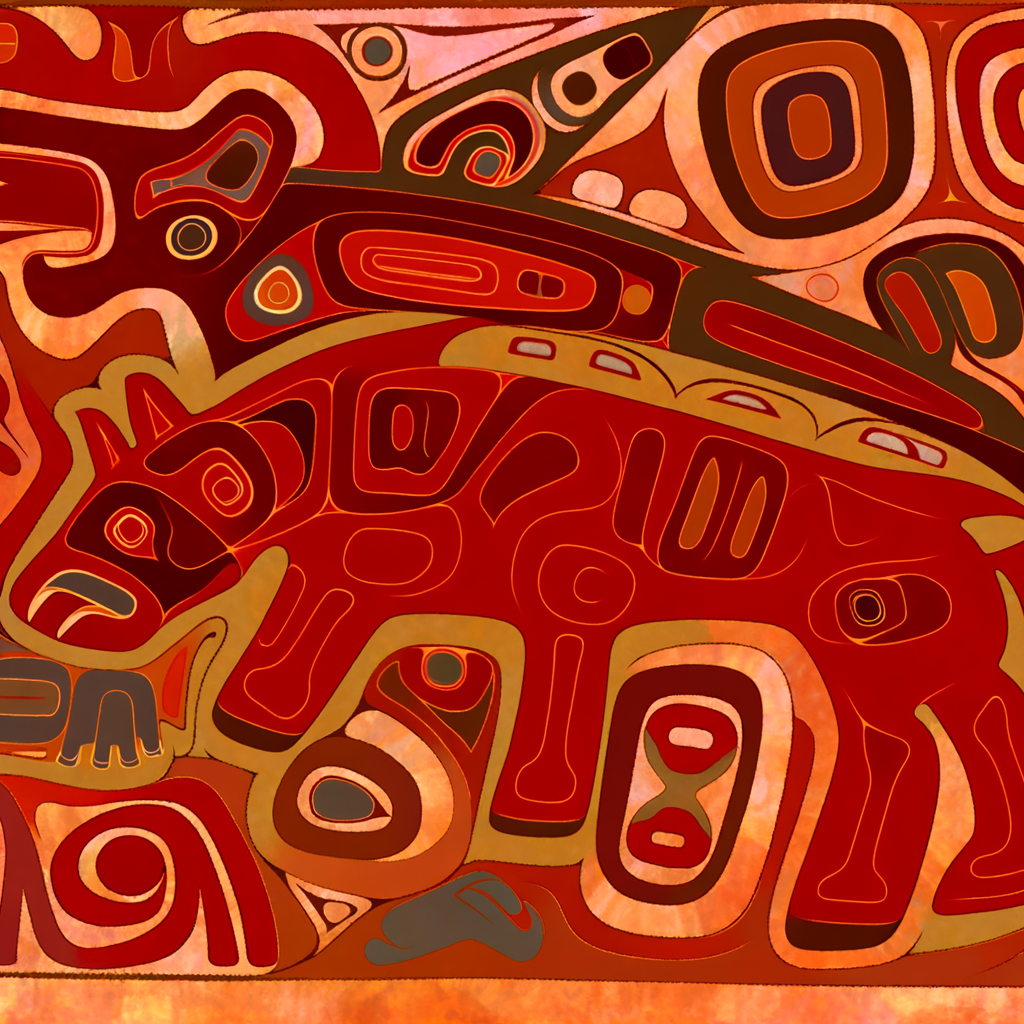
If you dive into the world of Haida totem poles, you’ll discover that each figure has a specific meaning, such as the raven, which is often depicted as a creator and bringer of light. The bear may represent strength and wisdom, while the orca stands for power and grace. When you look at a Haida totem pole, you aren’t merely appreciating a piece of art; you’re witnessing a family history, a clan’s journey, and a deep respect for the natural world.
The Craft of Totem Pole Creation
Creating a totem pole is not just about artistry; it is a communal endeavor that requires skill, knowledge, and cultural respect. Traditionally carved from cedar wood, these magnificent structures can take months, sometimes even years, to finish. The process begins with choosing the right tree, and it often involves rituals honoring the spirit of the wood and its eventual purpose. The carving itself calls for careful precision, as artists use tools that have been passed down through generations.
As Haida artist and carver, Gwaai Edenshaw says, “Art is a living thing; it connects the past and the future.” This sentiment resonates throughout the Haida community, where art is seen not just as a source of pride, but as a means of cultural survival. If you want to delve deeper into the arts of various tribal cultures, consider picking up the Tribal Cultures of the World Book. It provides an enriching perspective on diverse artistic expressions, including those from the Haida Nation.
The design of each totem pole is not merely aesthetic, but a layered narrative of identity, respect, and tradition.
More Than Just Art: The Spiritual Connection
Haida art is intrinsically linked to spirituality. Each totem pole not only represents the histories and stories of the Haida clans but also serves as a spiritual guide for the community. The figures depicted are thought to house spirits, serving as protectors for the people and their lands. This connection is beautifully captured in traditional ceremonies. For instance, a new totem pole is often unveiled with great ceremony, involving songs, dances, and the recitation of ancestral stories, emphasizing its importance not just as art but as a living testament to cultural identity.
Visiting the Haida Gwaii archipelago, the heartland of the Haida Nation, is a magical experience. You can find totem poles in their natural settings, in museums, and even in community centers. The Haida Heritage Centre at Kay Llnagaay offers a breathtaking view of these artistic masterpieces while allowing visitors to appreciate the depth of Haida culture. Exploring their world provides an opportunity to understand the relationship between art, nature, and the community on a whole new level.
The Future of Haida Tribes and Their Art
Like many Indigenous peoples around the world, the Haida face contemporary challenges, including the preservation of their traditions amid modernization. However, the resurgence of interest in tribal art has led to a vibrant revival of Haida culture. Young artists are embracing traditional methods while weaving in modern concepts and themes, resulting in an exciting fusion that captivates a new generation.
This renewal of interest is crucial, as it ensures the voices of the Haida people continue to resonate in today’s world. If you’re keen on understanding more about tribal cultures and their art, exploring publications like the African Tribal Culture Book and the Polynesian Culture and History Book can broaden your perspective substantially. You’ll find that art is a universal language, with each culture adding its own distinct dialect.
The Bigger Picture
Haida art invites you into a world rich with stories, traditions, and deep spiritual connections. The totem poles and artistic expressions serve as mirrors reflecting the heart and soul of the Haida people. They remind us that art transcends mere aesthetics; it is essential for maintaining cultural heritage and identity. As you explore the fascinating realm of tribal and ethnic art, take a moment to appreciate not only the beauty but also the profound significance behind each piece. Remember, every artwork carries history, culture, and a connection to the ancestors.
So, the next time you encounter Haida art, whether in the form of a towering totem pole or a delicate carving, take a moment to savor its essence. It’s more than just a visual spectacle; it’s a vibrant tapestry of life woven from the threads of culture, identity, and tradition. Interested in adding some tribal art to your own collection or learning more about its rich histories? Let’s continue this beautiful journey together!
Affiliate links on this website may generate a small commission at no extra cost to you. This support helps sustain a project dedicated to the beauty and cultural understanding of tribal art.