How Henri Matisse’s Fascination with African Masks Revolutionized Modern Simplification in Art
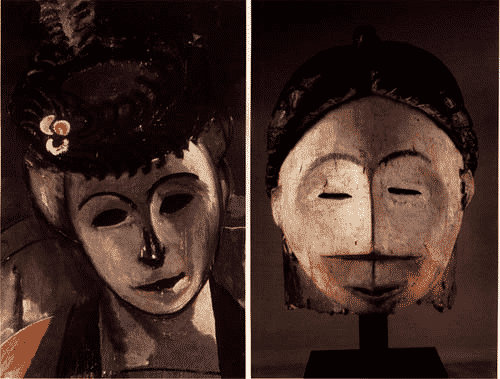
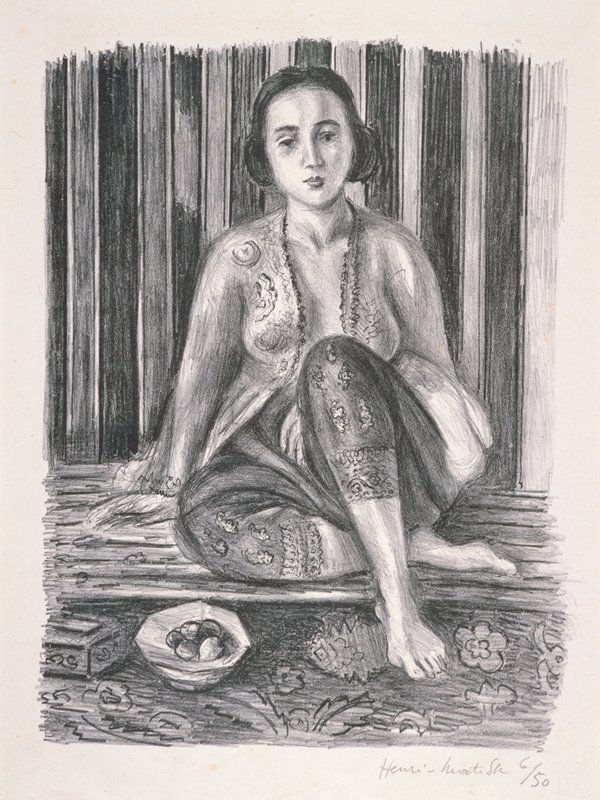
To understand how the vibrant world of tribal and indigenous art influenced Western modernism, one must look at the remarkable connection between Henri Matisse and the traditional African masks that captivated him. In particular, Matisse’s collection of African masks and his series of nudes demonstrate the profound impact these cultural artifacts had on his innovative approach to color, form, and simplification. A striking comparison can be drawn between Matisse’s painted figure, which echoes the elongated face and almond-shaped eyes of a Fang mask from Gabon, revealing the direct visual dialogue and the philosophical influences that shaped his modernist vocabulary.
Who Is Henri Matisse?
Henri Matisse, born in 1869 in Le Cateau-Cambrésis, France, emerged as one of the pivotal figures in modern art. As a leading proponent of Fauvism, a movement characterized by bold colors and expressive brushwork, Matisse sought to distill emotional experience through visual simplicity. Art for Matisse wasn’t merely about representation; it aimed to convey deeper human truths. His vibrant works, ranging from paintings to collages, played with compositions that sought to capture life’s ephemeral beauty. Throughout his career, Matisse was not only a painter but also a collector and self-styled curator of various art styles, particularly those deeply rooted in tribal and non-Western traditions.
The Tribal Art That Changed Everything
Matisse’s fascination with African artifacts began in the early 20th century when he encountered a variety of African masks and sculptures, particularly those from the Fang people of Gabon. This experience occurred within the broader cultural context of the time, as many artists were increasingly exposed to African, Oceanic, and other non-Western art forms following the colonial movements across Europe. The invitingly exotic world of these traditions opened a new gateway for Matisse, who admired the spiritual essence and geometric forms that these artists employed. The freedom in expression and abstraction he found in these pieces influenced his own artistic language immensely, offering a fresh perspective that would inform his characteristic style.
Reading the Influence in the Work
When examining Matisse’s work, the influence of African masks becomes strikingly evident. Take, for instance, the serene face painted with closed eyes and the smooth, heart-shaped contours that dominate his nudes—this echoes the calm spirituality intrinsic to many Central African ceremonial masks. The linear structures and simplified forms serve not just as aesthetic choices but as meditative explorations of expression, representing a revolutionary departure from the detailed and representational style that characterized much of traditional Western art. Matisse’s ability to distill and abstract these influences into his unique vocabulary resulted in a new artistic paradigm that prioritized emotion and deep philosophical resonance over mere likeness.
The dialogue between Matisse and African masks illustrates how art transcends cultures, sparking dialogues that reinvent visual languages across the globe.
Why This Dialogue Between Cultures Matters
The relationship between Matisse and African art is significant not just for its aesthetic outcomes, but for what it signals about the evolution of cross-cultural appreciation in art history. By embracing and celebrating tribal influences, Matisse opened pathways for future generations of artists, encouraging a more inclusive understanding of creativity that extends beyond traditional Eurocentric narratives. This dialogue also invites us to reframe our approach to art as a collective human experience, transcending geographical and cultural boundaries. Understanding Matisse’s work, therefore, requires not just an appreciation of the Western canon but also a recognition of the rich tapestry woven by the contributions of diverse cultures.
What This Means for You
As you explore the intersections of tribal art and modernism, consider how these connections resonate with contemporary artistic practices. Whether you are an art enthusiast, a practicing artist, or simply curious about the creative process, Matisse’s integration of African influences encourages us to look beyond conventional boundaries. It reminds us that art is a dialogue between cultures and time—a continuous evolution that enriches our understanding of humanity.
Books & Resources You Might Enjoy
- Paul Gauguin: A Journey to Tahiti (Adventures in Art)
- Primitivism in Modern Art
- The Land Carries Our Ancestors: Contemporary Art by Native Americans
References & Further Reading
Image courtesy of: Henri Matisse / www.ebsco.com — www.ebsco.com
Affiliate links on this website may generate a small commission at no extra cost to you. This support helps sustain a project dedicated to the beauty and cultural understanding of tribal art.