Dogon Art of Mali: Masks Granaries and the Cosmic Order
Have you ever found yourself gazing at a piece of art and felt as if it was trying to communicate something profound? That’s the beauty of Dogon art, particularly their mesmerizing masks and intricate granaries that embody a deep connection to cosmology. The Dogon people of Mali have captivated art lovers and anthropologists alike with their distinctive artistic expressions that encapsulate their beliefs and culture. In this post, we’ll explore how Dogon art serves as a vehicle of their understanding of the universe—so grab a cup of tea, and let’s dive in!
Unpacking Dogon Cosmology
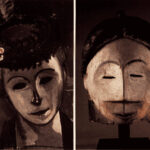
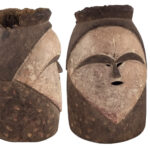
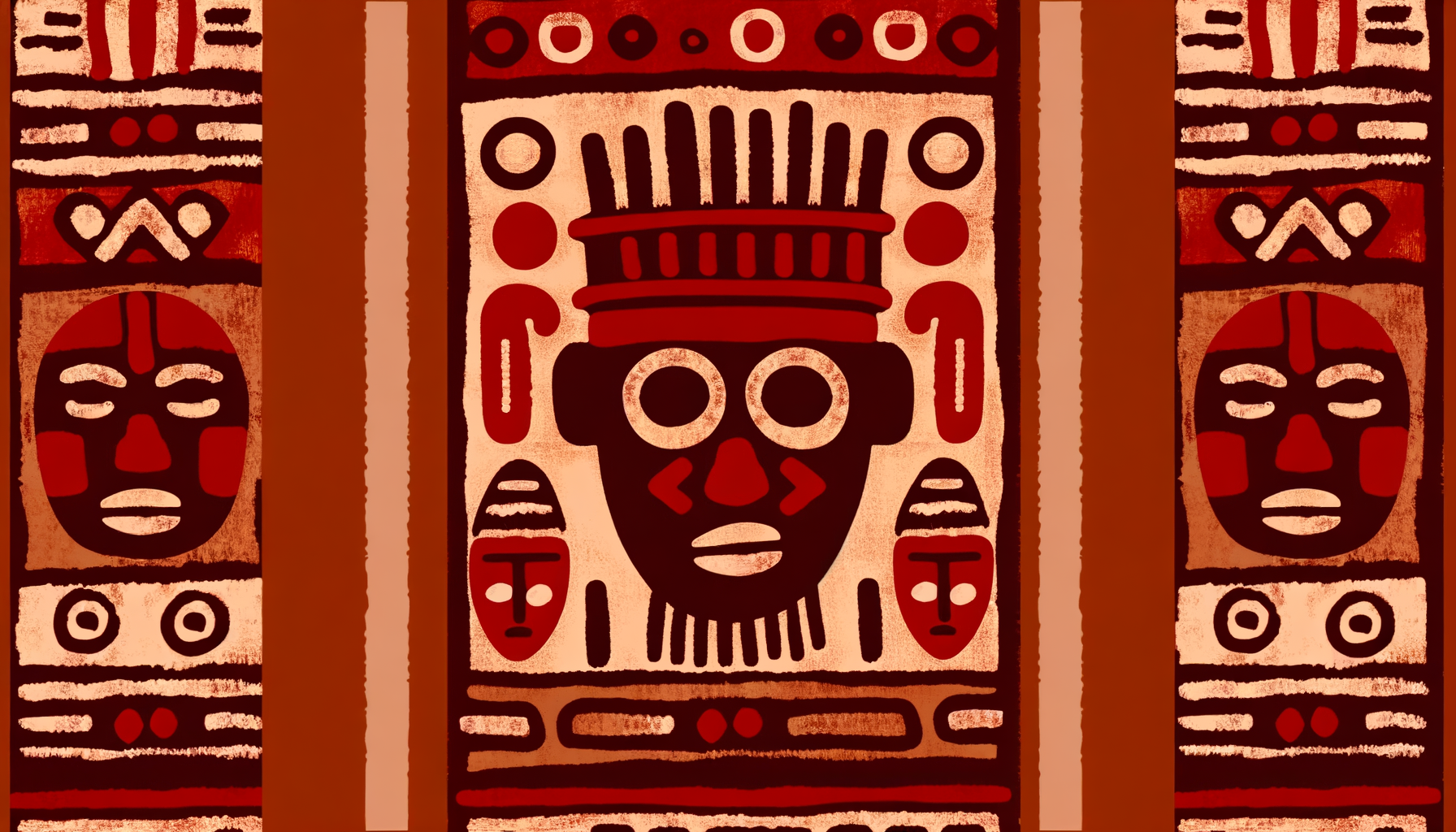
To fully appreciate Dogon art, we need to first grasp the essence of Dogon cosmology. The Dogon possess an intricate worldview that is intertwined with their art forms. This belief system includes a rich mythology, astronomy, and a spiritual connection to their environment. The famous Dogon masks, for example, aren’t merely decorative—each mask is a symbol that holds deeper meanings, representing spirits and ancestors central to their daily lives and rituals.
When you look at a Dogon mask, you see more than just an artistic object; you see a narrative about the cosmos, creation, and the relationship between the earthly and divine. They believe that their art channels energy and tells stories of immortality and connection to the stars, particularly that of Sirius, the brightest star in the night sky, which plays a significant role in their mythology.
“The beauty of Dogon art lies not only in its aesthetic appeal but also in its profound connection to the universe.”
The Symbolism of Dogon Masks
Their masks are often used in ceremonial contexts, especially during the famous Dama dance, which is a funeral rite meant to honor the deceased. The intricate designs of these masks can represent various themes—sometimes animal spirits, ancestors, or even mythological figures. The craftsmanship involved in creating these masks reflects specialized skills passed down through generations, ensuring the legacy of their culture.
Artists employ traditional methods, utilizing natural materials like wood, fibers, and pigments derived from the Earth. If you’re looking to understand even more about the nuanced symbolism within Dogon art, the book Tribal Cultures of the World offers a fantastic overview. You’ll discover how different tribal communities express their identities through the sublime realm of art.
Granaries: Architectural Artistry
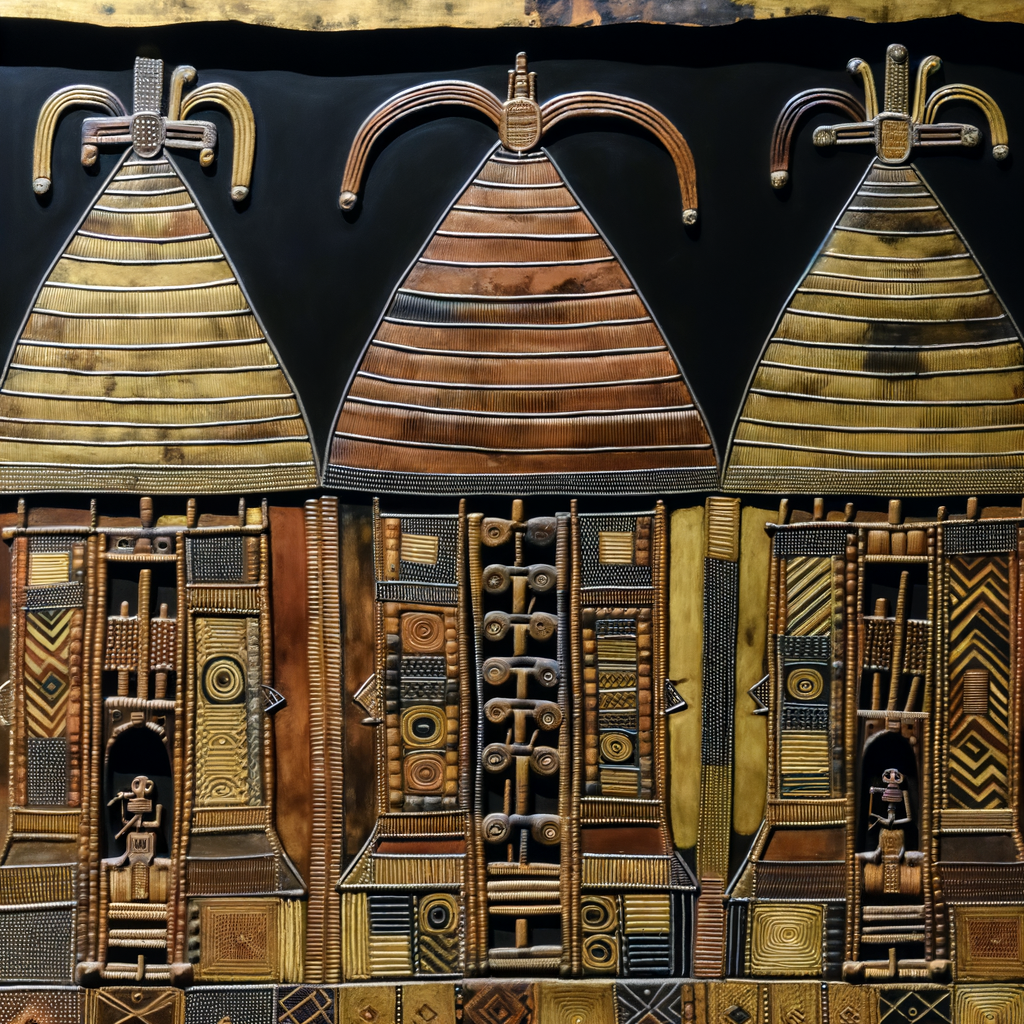
While masks may capture the spirit of the Dogon, their granaries reveal another facet of their artistry. These structures serve as storage for grain, showcasing both functionality and artistic flair. Traditionally, Dogon granaries are built with intricately carved doors and are often adorned with symbolic designs that reflect agricultural themes and the importance of sustenance in their lives.
These granaries are not just practical; they are imbued with spiritual significance, believed to protect the harvest and ensure the community’s prosperity. The artistry in the granaries mirrors their understanding of balance and harmony with nature, a core belief reflecting their cosmological principles. Various resources, like African Tribal Culture, delve further into such structures and their significance across the continent.
The Cosmic Order: Art in Harmony with Nature
The relationship between Dogon art and cosmology doesn’t stop at aesthetics or functionality; it extends into an orchestrated cosmic order that governs their lives. The Dogon people believe in the interconnectedness of all things, where each piece of art reflects a cosmic principle. Just like constellations guide travelers, Dogon art guides the community, offering wisdom and reinforcing their cultural identity.
This alignment with the universe means that even their daily activities and routines are influenced by their understanding of the cosmos. For example, the timing of agricultural events is profoundly aligned with celestial phenomena, which influences not only the planting of crops but also the creation of art as a reflection of their interactions with the cosmos.
If you’re interested in exploring this further, check out Polynesian Culture and History—it provides insights into how other cultures also harmonize their daily lives with art and nature, drawing parallels with the Dogon experience.
Experiencing Dogon Art in Mali
Traveling to Mali is like stepping into a living gallery. In the heart of Dogon country—nestled in the cliffs of Bandiagara—you can immerse yourself in this vibrant culture. Local artisans often showcase their masks and granaries, and you can witness the ceremonial dances that bring these remarkable pieces to life. Each encounter is an opportunity to engage with the art and the philosophies that shape the Dogon way of life.
Additionally, you may visit vibrant markets where beautifully crafted art pieces are traded and sold. Spending a day wandering through these markets or joining a guided tour can significantly enhance your understanding and appreciation of Dogon art. The experience transcends mere observation—you’re invited to participate in cultural rituals that celebrate the community’s heritage and spirituality. Connecting with local artists not only enriches your perspective but also weaves a thread of mutual respect that transcends cultures.
Final Thoughts
As you explore the intricate world of Dogon art, remember that every mask, grain storage unit, and artistic expression tells a story rooted in belief and imagination. The Dogon people remind us that art is more than mere visuals; it communicates our shared histories and relationships with the cosmos. So the next time you admire a piece of tribal art, consider the deeper threads that bind us to one another—and to the stars above. And if you’re inspired by what you learned today, explore your own journey into tribal cultures through books that excite you. Expand your horizons, and who knows? You might find your next favorite piece of art waiting for you in one of those pages!
Affiliate links on this website may generate a small commission at no extra cost to you. This support helps sustain a project dedicated to the beauty and cultural understanding of tribal art.