Spirals of Spirit: Mapping Shamanic Journeys
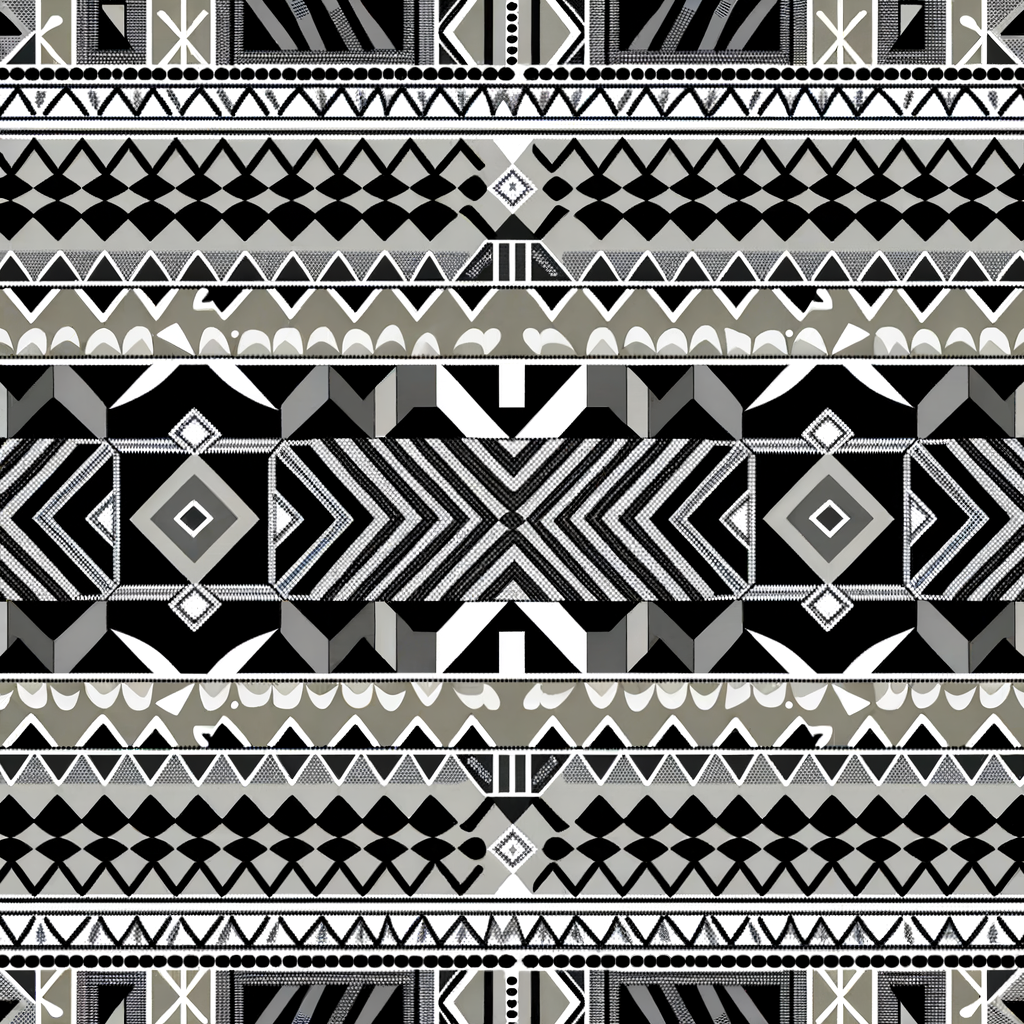
The spirals found in Shipibo-Conibo art are not mere decorative elements; they represent profound spiritual symbolism in tribal art that intertwines the physical world with the metaphysical realm. These intricate patterns, reminiscent of flowing water, serve as both a reflection of the natural environment and a map of the shamanic journeys undertaken by practitioners. This duality reveals how art captures complex spiritual experiences, offering a deeper understanding of the Shipibo-Conibo culture.
The Flow of Water and Spirit
In Shipibo-Conibo culture, spirals symbolize the movement of water, a vital element in their Amazonian environment. Water is not only essential for survival but also holds spiritual significance, representing the life force that connects all beings. The spirals mimic the natural flows of rivers and streams, illustrating how art reflects the essence of nature. However, these spirals go beyond their physical representation; they encapsulate the pathways of the soul during shamanic rituals, where shamans enter an altered state of consciousness to explore the spiritual world.
This connection between water and spirit illustrates the Shipibo-Conibo belief in the interconnectedness of all life. The spirals act as a visual language for shamans, helping them navigate the complexities of spiritual journeys. As they perform their rituals, the spirals guide their visions, enhancing their understanding and facilitating communication with spiritual entities. This unique interplay highlights the role of tribal art as a tool for both environmental representation and spiritual exploration.
“In Shipibo-Conibo art, spirals are not just patterns; they are a bridge between the seen and unseen, guiding shamans on their sacred journeys.”
Art as a Spiritual Map
The significance of these spirals extends into the realm of healing and community. For the Shipibo-Conibo, artistic expression is woven into daily life and spiritual practice. As shamans create their artworks, they are simultaneously crafting an intricate map of their experiences, beliefs, and connections to the cosmos. This transformative power of art emphasizes its role as a medium for spiritual dialogue, uniting individuals with their ancestors and the universe.
Want to explore this further? Read our full article: Shipibo-Conibo Art: The Living Geometry of the Amazon
What This Means for You
Understanding the dual significance of spirals in Shipibo-Conibo art can deepen your appreciation for the complexities of tribal art and its spiritual connections. By exploring these intricate patterns, you can gain insight into how art serves as a medium for both environmental representation and spiritual exploration, reflecting the rich tapestry of human experience.