Inuit Art and Sculpture: Stories Carved in Stone and Bone
Have you ever watched a master craftsman at work, their hands moving skillfully over a piece of stone or bone, as if breathing life into inanimate materials? This is the world of Inuit art sculpture, where every chisel stroke tells a story, shaped by the ancient traditions of the Arctic indigenous peoples. Inuit artists don’t just create sculptures; they carve out narratives that resonate with the rhythms of life, the environment, and their profound connection to nature. Let’s dive into this captivating world and explore the heart and soul of Inuit art together!
Understanding Inuit Art
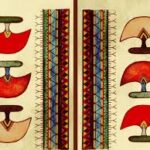
Inuit art encompasses a rich tapestry of culture, history, and craftsmanship that has evolved over thousands of years. Originating from the Inuit peoples of the Arctic, this art form is deeply rooted in the traditions and lived experiences of its creators. Initially, medium such as stone, bone, ivory, and wood were employed to craft tools, weapons, and everyday items. However, with time, these practical materials transformed into stunning Inuit art sculptures, reflecting both beauty and utility.
Many pieces of Inuit art are inspired by the natural world – think majestic polar bears, graceful seals, or intricate depictions of the Northern Lights. The artists often draw upon stories from their lives—mythology, legends passed down through generations, and the landscapes surrounding them. This storytelling aspect is a crucial part of Inuit art, which helps to keep their culture alive and relevant for future generations.
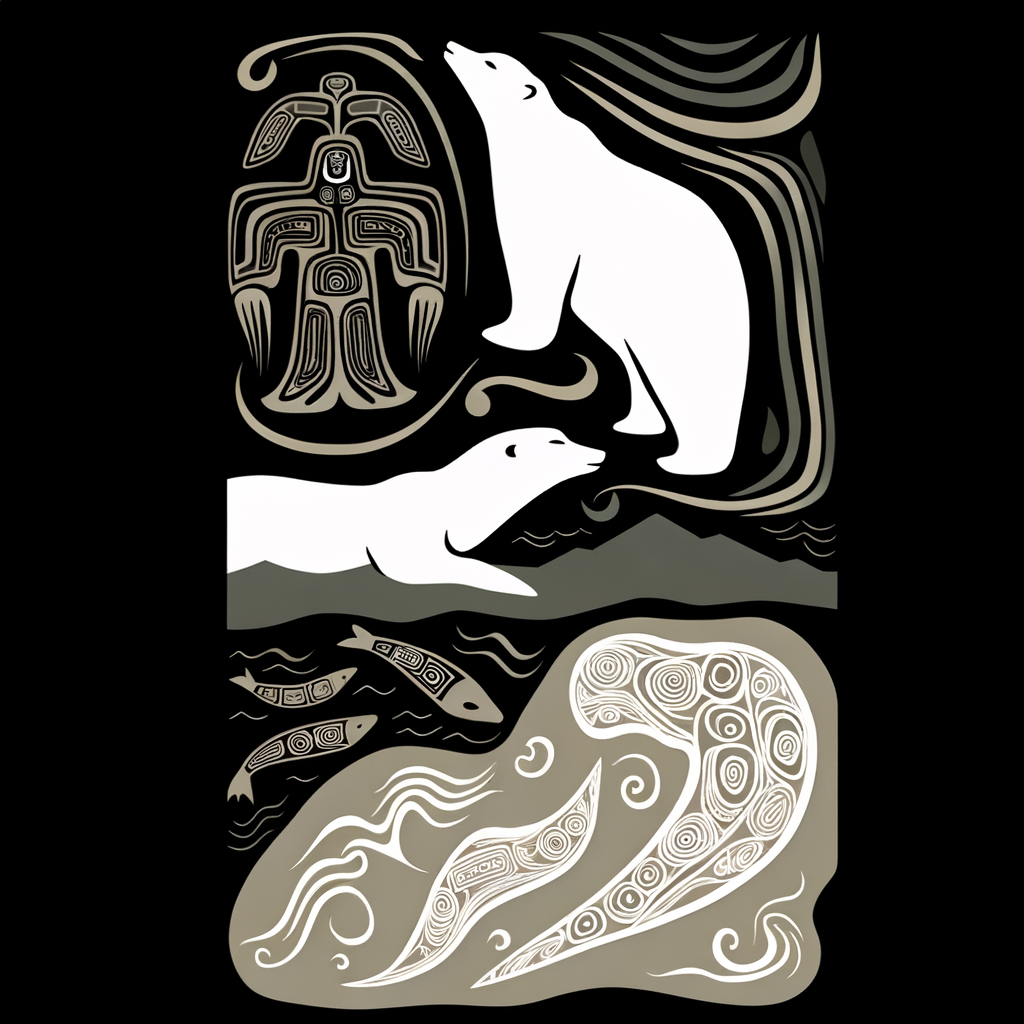
Materials: Stone and Bone
When it comes to Inuit art sculpture, materials like stone and bone take center stage. Artists select from various types of stone—soapstone, for instance, is a popular choice due to its softness, making it easier to carve intricate details. The glacier-smoothed stones carry a weight of history, each piece echoing stories of the land and its people.
Bone, too, plays a vital role in the formation of these sculptures. This material is often harder to work with but yields stunning results. From walrus ivory to caribou bones, each piece not only showcases the artist’s skilled craftsmanship but also represents the sustainable practices ingrained in Inuit culture. The ability to repurpose these materials speaks volumes about their respect for nature and the resources around them.
“Inuit art goes beyond mere aesthetics; it’s a vibrant dialogue between the creator and the world.”
Thematic Elements in Inuit Sculpture
Inuit art is overflowing with themes that reflect the deep relationship between the people and their environment. Many sculptures embody animals that hold significance within Inuit culture. For instance, seals are not just a source of food; their presence in art symbolizes adaptability and the delicate balance of life in the harsh Arctic landscape. Similarly, carvings of whales often represent strength and resilience.
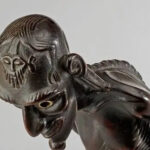
Human figures also play a vital role in Inuit art. The intricate carvings depict traditional lifestyles, showcasing the social fabric of Inuit communities. Figures engaged in hunting, family gatherings, or spiritual activities are common. This emphasis on communal life illustrates the importance of connection among family and community in the Arctic world.
A Window into Culture and Traditions
Visiting the Arctic or Inuit communities can immerse you in this vibrant culture. Whether you’re exploring local art galleries in towns like Iqaluit or visiting small, remote villages where Inuit artisans create their masterpieces, you’re bound to gain a deeper understanding of their traditions. It’s not just about purchasing a piece of art; it’s about connecting with the stories and ethos of the Inuit people.
If you want to dive deeper into tribal cultures, consider exploring resources like the Tribal Cultures of the World Book. It perfects your journey in understanding the intricacies of Indigenous art forms, including Inuit creations. Additionally, learning about African and Polynesian cultures through books like the African Tribal Culture Book and the Polynesian Culture and History Book can provide a broader context to your global appreciation of art.
The Bottom Line
As you learn more about Inuit art sculpture, consider how you can support these incredible artists and their traditions. Craftsmanship speaks volumes about identity, cultural values, and history. Bringing home a piece of Inuit art isn’t just about decoration; it’s about storytelling. Each sculpture carries with it the essence of the Arctic—an expression of survival, respect for nature, and a deep-rooted connection to community.
So next time you look at an Inuit sculpture, remember that you’re witnessing history and a language carved in stone and bone. Embrace these stories, and let them inspire your own journey into the rich tapestry of tribal art!
Affiliate links on this website may generate a small commission at no extra cost to you. This support helps sustain a project dedicated to the beauty and cultural understanding of tribal art.